

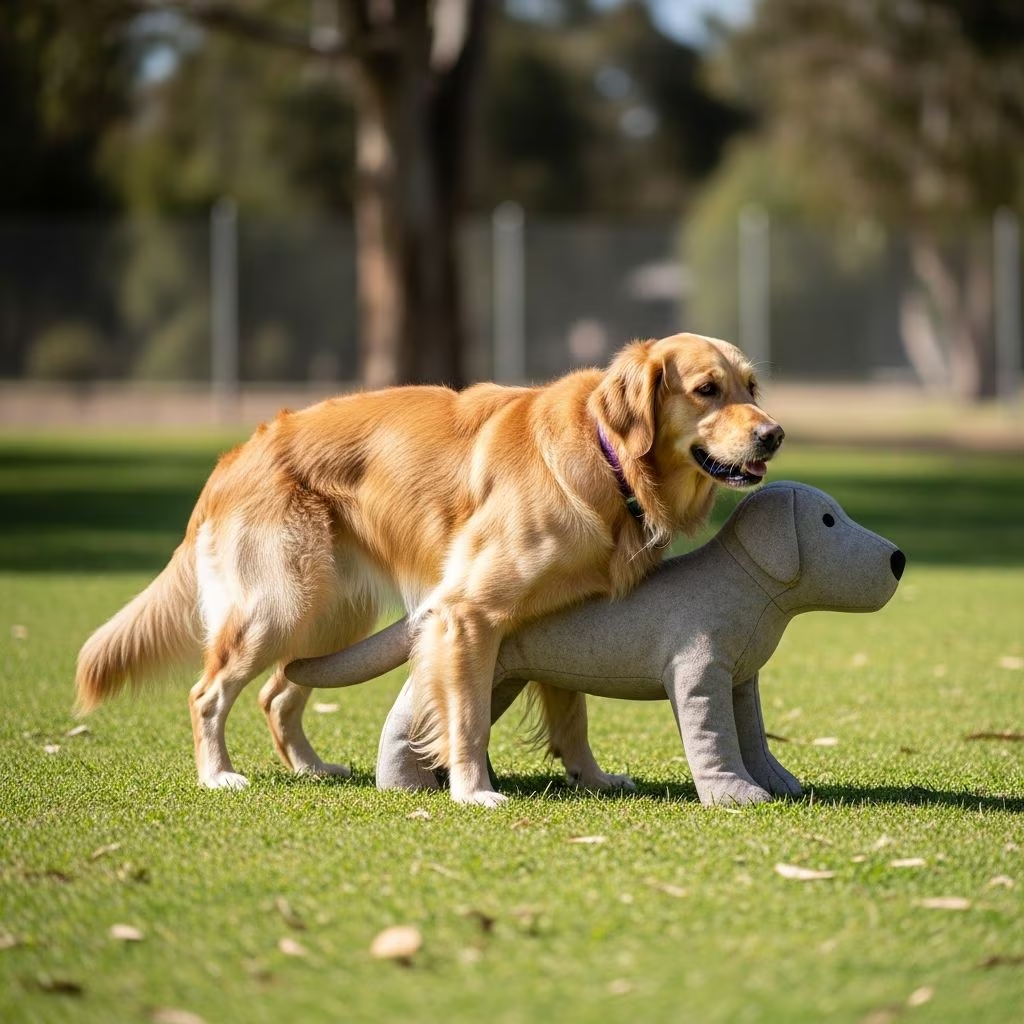
Understanding Dog Mounting and Masturbation
Mounting and masturbation are normal dog behaviors, though they can be embarrassing or concerning for pet owners. These behaviors occur in both male and female dogs, and understanding their underlying causes is essential for distinguishing between typical conduct and problematic behavior that requires intervention.
Dogs engage in mounting for various reasons beyond sexual motivation. While intact males may mount as a form of sexual expression, neutered and spayed dogs also display these behaviors for reasons related to excitement, anxiety, dominance, or simply stress relief. Understanding why your dog engages in these behaviors is the first step toward managing them effectively.
Why Dogs Mount and Hump
Dog mounting behavior is multifaceted and can stem from several distinct motivations. The reasons vary depending on the individual dog, their age, hormonal status, and environmental circumstances. Here are the primary reasons dogs engage in mounting:
Sexual Motivation
The most obvious reason dogs hump is sexual behavior. Intact males may perform humping as displaced sexual behavior analogous to masturbation. Some male dogs achieve orgasm while humping, demonstrating the sexual nature of the behavior. Even after neutering, some dogs continue to hump, possibly attempting to recreate the pleasure the behavior once brought them. However, sexual motivation is not the whole story, as neutered dogs and some females also hump, indicating that mounting behavior is genetically encoded in both sexes.
Excitement and Play
Young dogs and puppies often mount as part of normal play behavior and social learning, beginning as early as 3-4 weeks of age. Puppies mount other puppies primarily for play and social learning purposes, not sexual expression. When overstimulation occurs during play with other dogs, dogs may attempt to mount as a response to physiologic arousal triggered by sensory stimuli, motor activity, and emotional reactivity.
Stress and Anxiety Relief
Dogs may hump when experiencing anxiety or stress. Humping can serve as a stress reliever and a way for dogs to self-soothe. Some dogs mount inanimate objects like cushions or pillows as a coping mechanism when left alone or facing stressful situations. Occasional humping as anxiety relief is considered normal behavior.
Dominance and Control
Nonsexual mounting of other dogs is generally a dominance, control, or challenge behavior, though when practiced by puppies it is primarily about play and social learning. Motivationally speaking, dominance or the wish to be dominant seems to be another factor in mounting behavior. A chemical in the brain called serotonin is intimately involved in the desire to be dominant, and this chemical may play a role in humping behavior.
Attention-Seeking
Mounting of humans is strictly nonsexual and may be about control or attention-seeking. Dogs that mount people may be attempting to gain attention from their owners or establish social hierarchy within their household.
Normal Versus Problematic Behavior
Not all mounting behavior is cause for concern. Understanding the difference between normal and problematic behavior is crucial for dog owners. Normal mounting behavior includes occasional humping during play or excitement, while problematic behavior involves routine mounting of people or mounting other dogs to the point of provocation.
When Mounting is Normal
- Occasional mounting during play or excitement with other dogs
- Brief mounting episodes during social interactions
- Masturbation-type behavior in private areas
- Mounting as a response to physiologic arousal in puppies and young dogs
- Occasional mounting of inanimate objects as stress relief
When Mounting May Be Problematic
- Routine mounting of people, especially strangers or family members
- Persistent mounting of other dogs to the point of causing conflict
- Excessive masturbation in inappropriate locations
- Mounting behavior that escalates or becomes increasingly frequent
- Mounting accompanied by aggression or inability to stop when redirected
Sexual Maturity and Hormonal Changes
Understanding when dogs reach sexual maturity helps owners anticipate and manage mounting behavior. Dogs typically reach sexual maturity between 5 and 12 months of age, which is when hormonally driven behavior problems may start to appear. This is a critical period for taking steps to prevent unwanted pregnancies in intact dogs and to address emerging behavioral issues.
During this developmental stage, it is essential to continue socialization with other dogs, preferably with spayed females and neutered males, to minimize potential behavioral problems. Proper early intervention during this period can prevent mounting behavior from becoming established.
Dog Masturbation
Dog owners are often surprised to discover that some dogs masturbate. Dogs may engage in masturbatory behavior by standing over objects, performing push-ups on carpeting, or humping pillows and soft objects. While some dogs do practice self-gratification for pleasure, in many cases, masturbation serves as a stress reliever rather than purely sexual behavior.
Masturbation in dogs is not inherently problematic unless it occurs excessively or in inappropriate locations. Many behaviorists consider occasional masturbation a normal, healthy behavior. The key is determining whether the behavior is occurring at an appropriate frequency and in appropriate locations.
Management and Training Strategies
If your dog’s mounting behavior is excessive or directed at people, several management and training strategies can help reduce the behavior:
Neutering or Spaying
Neutering is an obvious first step in managing mounting behavior. A 1976 study found an 80 percent decrease in mounting behavior following castration. Within 72 hours of surgery, the bulk of hormones have left the dog’s system. However, the effectiveness of neutering depends partly on how long the dog has been allowed to practice the behavior, as mounting is partially a learned behavior as well as hormone-driven.
Juvenile sterilization between the ages of eight weeks and six months is recommended rather than waiting for your dog to mature, as this helps prevent the behavior from becoming established.
Behavioral Intervention Techniques
Several training techniques can help manage mounting behavior:
- Time-outs: Remove your dog from the situation when mounting occurs, using repeated time-outs to discourage the behavior, especially in puppies and juvenile dogs
- Body blocks: Use your body to physically block mounting attempts and redirect your dog’s attention
- Environmental management: Remove or limit access to objects that trigger mounting behavior, such as specific cushions or toys
- Ignore the behavior: For occasional mounting of humans, simply walk away rather than providing attention
- Redirection: Redirect your dog’s energy toward appropriate activities like play, exercise, or training
- Location management: Allow masturbation-type behavior in appropriate private areas while discouraging it in public or social spaces
Exercise and Enrichment
Ensuring your dog receives adequate physical exercise and mental stimulation can reduce stress-related mounting behavior. Dogs that are bored, anxious, or overstimulated are more likely to engage in excessive mounting.
Addressing Underlying Issues
If mounting behavior is driven by anxiety or stress, addressing the underlying emotional issue is essential. This may involve working with a professional dog trainer or veterinary behaviorist to identify and treat anxiety disorders or other behavioral health concerns.
Special Considerations for Intact Male Dogs
Living with an intact male dog requires special attention to mounting behavior, along with other hormone-driven behaviors like urine marking. When male dogs urine mark, they typically approach a vertical surface, sniff, raise a hind leg, and urinate a small amount as high as possible on the surface.
Intact males may also engage in overmarking, where they mark over other dogs’ urine. This behavior is distinct from mounting but is often driven by similar hormonal factors. Managing both behaviors typically requires similar interventions, with neutering being the most effective long-term solution.
Behavior Recovery After Intervention
When implementing training interventions, be aware of potential spontaneous recovery. Spontaneous recovery occurs when a behavior you thought had been extinguished returns unexpectedly. Quick re-intervention with body blocks or time-outs should address the behavior again. This phenomenon is normal and does not indicate failure of the training approach; it simply requires consistent reinforcement.
When to Seek Professional Help
If your dog’s mounting behavior is excessive, aggressive, or not responding to home management strategies, consider consulting with a professional dog trainer or veterinary behaviorist. A professional can:
- Assess whether the mounting behavior indicates underlying behavioral or medical issues
- Develop a customized behavior modification plan
- Rule out medical conditions that may contribute to excessive behavior
- Provide professional guidance on specific training techniques
- Address any aggression or anxiety-related components of the behavior
Frequently Asked Questions
Q: Is mounting behavior always sexual in nature?
A: No. While sexual motivation is one reason dogs mount, they may also mount due to excitement, anxiety, dominance-seeking, stress relief, or as a learned behavior. Mounting in puppies and young dogs is primarily about play and social learning.
Q: Will neutering eliminate mounting behavior?
A: Neutering significantly reduces mounting behavior, with studies showing an 80 percent decrease following castration. However, effectiveness depends on how long the dog has been practicing the behavior, as mounting becomes partially learned. Early sterilization between 8 weeks and 6 months is most effective.
Q: Is it normal for neutered dogs to mount?
A: Yes. Neutered and spayed dogs commonly display mounting behavior for reasons unrelated to sexual motivation, including excitement, anxiety, play, or stress relief.
Q: What is the best way to stop my dog from mounting people?
A: Use time-outs, body blocks, and redirection. For occasional mounting, simply walking away is often effective. Ensure your dog receives adequate exercise and mental stimulation, as boredom and anxiety often drive the behavior.
Q: At what age do dogs start mounting behavior?
A: Puppies begin mounting as early as 3-4 weeks of age as part of normal play and social learning. Hormonally driven behavior increases when dogs reach sexual maturity between 5-12 months of age.
Q: Is dog masturbation a sign of a behavior problem?
A: Occasional masturbation is normal and healthy in dogs. It only becomes problematic if it occurs excessively or in inappropriate social situations.
References
- Fostering or Adopting an Intact Male Dog — ASPCApro. 2020. https://www.aspcapro.org/sites/default/files/behavior-2020-intact-male-dog.pdf
- Dog Mounting and Dog Dominance Behavior — Whole Dog Journal. https://www.whole-dog-journal.com/behavior/humping/dog-mounting-and-dog-dominance-behavior/
- Dealing with Dogs that Hump — PetPlace.com. https://www.petplace.com/article/dogs/pet-behavior-training/dealing-with-dogs-that-hump
- What to Do About Your Humping Dog — Quick and Dirty Tips. https://www.quickanddirtytips.com/qdtarchive/what-to-do-about-your-humping-dog/



