

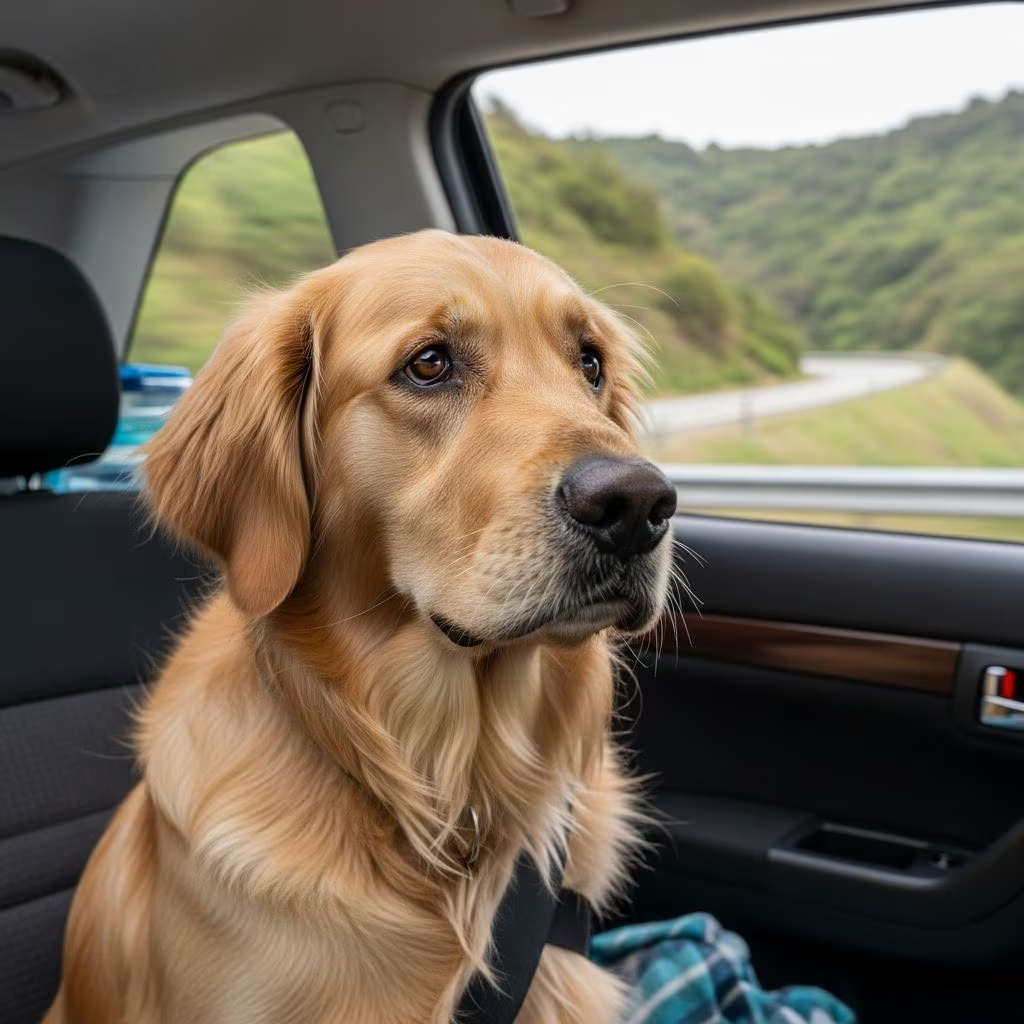
Traveling with your dog can turn into a nightmare if motion sickness strikes. Many dogs experience nausea, drooling, and vomiting during car rides, boat trips, or flights, making outings stressful for both pet and owner. This guide explores the root causes, recognizable signs, and a range of effective remedies to ensure smooth, enjoyable journeys.
Understanding the Basics of Canine Motion Sickness
Motion sickness in dogs arises when their sensory systems receive conflicting signals. The inner ear’s vestibular apparatus, responsible for balance, clashes with visual cues and body position, triggering nausea. This condition affects 20% to 50% of dogs, particularly during vehicle motion.
Puppies are especially vulnerable because their balance mechanisms are still maturing. Breeds like Boxers, Border Collies, and Dachshunds show higher susceptibility, possibly due to genetic factors. Adult dogs can also suffer if anxiety amplifies the physical discomfort.
Common Symptoms to Watch For
Early detection allows quick intervention. Look for these telltale signs during travel:
- Excessive drooling or lip licking
- Panting and restlessness
- Yawning, whining, or trembling
- Vomiting, retching, or diarrhea
- Lethargy or decreased appetite
These symptoms often mimic anxiety, but they stem from the brain’s confusion over motion inputs. If your dog shows unease even before departure, psychological factors may be at play.
Primary Causes Behind Travel Nausea
Several factors contribute to canine motion sickness:
| Cause | Description | Affected Groups |
|---|---|---|
| Inner Ear Development | Immature vestibular system sends mismatched signals to the brain. | Puppies, young dogs |
| Anxiety and Stress | Fear of cars from past vet visits or rare rides builds negative associations. | All ages, infrequent travelers |
| Genetics | DNA predispositions increase risk in certain breeds. | Boxers, Border Collies, Dachshunds |
| Travel Type | Car turns, boat rocking, or plane turbulence exacerbate symptoms. | Any dog in motion |
Understanding these helps tailor remedies. For instance, physical causes respond to medications, while stress-related ones benefit from behavioral training.
Preventive Strategies for Smooth Rides
Start with non-medical approaches to build tolerance gradually.
Desensitization Training Techniques
Counter negative associations by making the car a positive space. Begin with short, reward-filled sessions:
- Feed meals inside a stationary car with doors open.
- Progress to engine idling, then brief drives to fun destinations like parks.
- Use high-value treats and praise to create happy memories.
Consistency is key; many dogs improve within weeks. This method addresses psychological roots effectively.
Practical Travel Adjustments
- Positioning: Secure your dog in a crate or harness at eye level to match visual motion with body feel.
- Environment: Run AC, crack windows for fresh air, and play soft music to calm nerves.
- Fasting: Withhold food 4-6 hours before travel to reduce vomiting risk, but provide water.
- Breaks: Stop every 1-2 hours for walks and fresh air.
These tweaks often resolve mild cases without drugs.
Over-the-Counter and Natural Remedies
For moderate symptoms, try accessible options first.
- Ginger Supplements: Known for anti-nausea properties; use dog-safe chews or powder in food. Consult a vet for dosing.
- Antihistamines: Diphenhydramine (Benadryl) at 1mg/lb every 8 hours can sedate and reduce nausea. Avoid in puppies or breeds with sensitivities.
- Herbal Calmers: Chamomile or valerian root blends promote relaxation during rides.
Always check for interactions and start with low doses.
Veterinary-Prescribed Treatments
For severe or persistent cases, vets offer targeted therapies.
- Cerenia (Maropitant): FDA-approved antiemetic blocks nausea signals; highly effective for 24 hours post-dose.
- Sedatives: Diazepam or acepromazine reduce anxiety and motion perception.
- Compounded Meds: Custom flavors and forms improve compliance, like transdermal gels.
Diagnosis involves symptom history and ruling out other issues. Vets may recommend trials based on age and breed.
Long-Term Management and Breed Considerations
Some dogs outgrow motion sickness as ears mature, but others need ongoing plans. Genetic testing can predict risks in at-risk breeds. Track progress with a travel journal noting symptoms, remedies, and improvements.
Combine methods: desensitization plus meds for best results. Monitor for side effects like drowsiness from sedatives.
FAQs: Dog Motion Sickness Essentials
Can all dogs get motion sickness?
Yes, though puppies and certain breeds like Boxers are more prone. Any dog can develop it from anxiety or ear issues.
How long does dog motion sickness last?
Symptoms typically fade 30 minutes to hours after travel ends, but untreated cases can persist or worsen with repeated exposure.
Is Benadryl safe for dog car sickness?
In proper doses (1mg/lb), yes, but consult a vet first, especially for small breeds or those with health conditions.
Can diet help prevent travel nausea?
Fasting before trips reduces vomiting; ginger-added meals provide ongoing support.
When should I see a vet for my dog’s sickness?
If symptoms occur on short drives, include diarrhea, or don’t improve with basics—prompt evaluation rules out other illnesses.
Creating a Travel Wellness Plan
Assemble a kit with meds, water, towels, and toys. Practice routes mimic real trips. Positive reinforcement turns travel into adventure time. With patience, most dogs become confident travelers.
For multi-day journeys, layer strategies: morning desensitization, pre-trip meds, and scenic stops. Adjust based on feedback—some thrive with windows down, others prefer crates.
References
- Motion Sickness In Dogs: Signs and How To Help — Wedgewood Pharmacy. 2023. https://www.wedgewood.com/blog/motion-sickness-in-dogs-signs-and-how-to-help/
- Dog Motion Sickness: What It Is and How To Help Your Dog — PetMD. 2024-01-15. https://www.petmd.com/dog/conditions/digestive/dog-motion-sickness-what-it-and-how-help-your-dog
- Carsickness and Motion Sickness in Dogs — Small Door Veterinary. 2023-05-10. https://www.smalldoorvet.com/learning-center/wellness/carsickness-dogs
- Canine Car Sickness: Causes, Symptoms & How to Help Your Dog — Express Vets Cumming. 2024. https://www.expressvetscumming.com/blog/canine-car-sickness-causes-symptoms-how-to-help-your-dog
- Motion Sickness In Dogs: Symptoms, Remedies, & Causes — Wisdom Panel. 2023-08-20. https://www.wisdompanel.com/en-us/blog/motion-sickness-in-dogs
- Dogs and Motion Sickness — WebMD. 2023. https://www.webmd.com/pets/dogs/dogs-and-motion-sickness
- Carsickness in Dogs: What to Know — American Kennel Club. 2024-02-12. http://www.akc.org/expert-advice/health/car-sickness-in-dogs/
- Dog Car Sickness: Signs, Symptoms & Prevention — Taste of the Wild. 2023. https://www.tasteofthewildpetfood.com/articles/health/dog-car-sickness-signs-symptoms-prevention/
- Causes and Treatment of Motion Sickness in a Dog — Today’s Veterinary Practice. 2019-07. https://todaysveterinarypractice.com/wp-content/uploads/sites/4/2019/07/Causes-and-Treatment-of-Motion-Sickness-in-Dogs.pdf



