

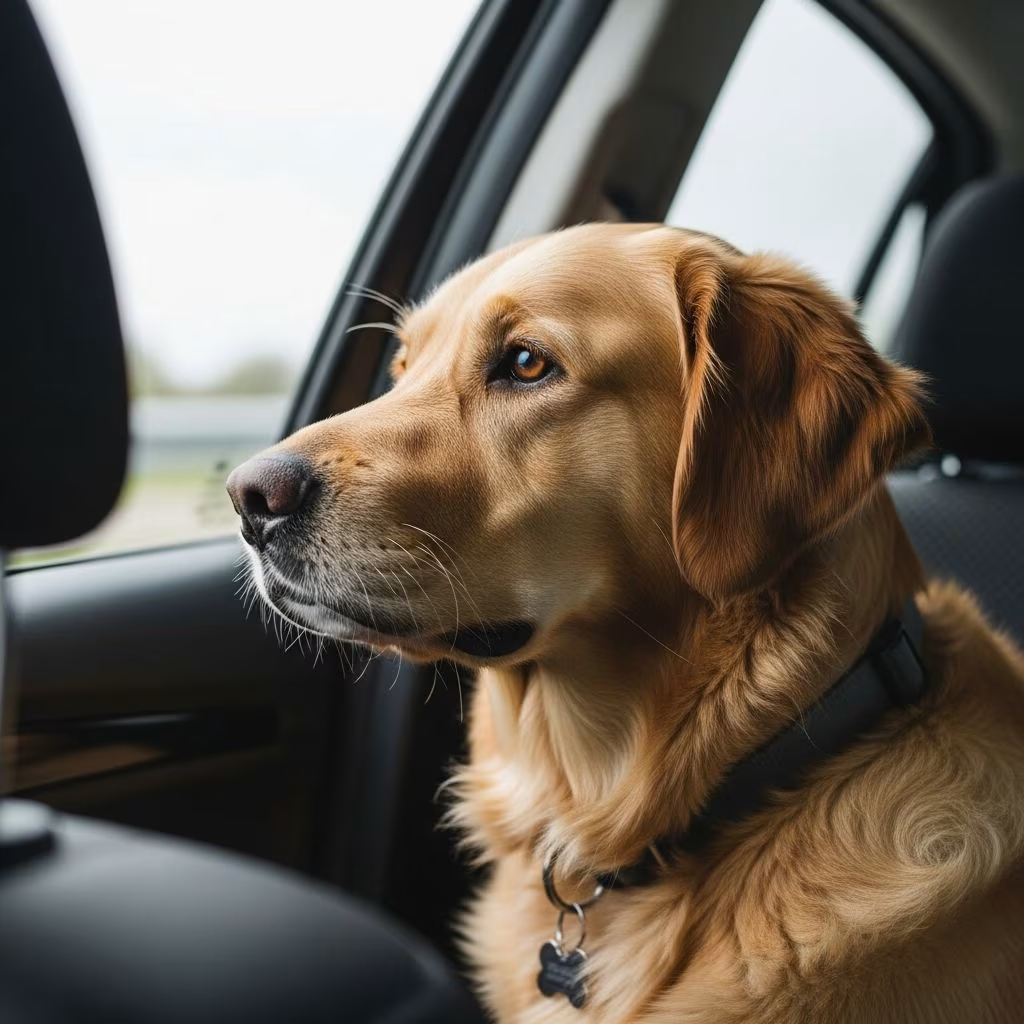
Millions of dogs experience discomfort during travel, turning routine car rides into stressful ordeals. Motion sickness in canines arises from mismatched sensory inputs, leading to nausea and unease. This guide outlines recognition, underlying factors, and reliable interventions to transform trips into pleasant outings.
Recognizing Travel Discomfort in Your Pet
Early identification of signs allows prompt action. Common indicators include excessive salivation, rapid breathing, and vocalizations of distress. Dogs may pace restlessly or appear lethargic, signaling internal conflict between visual cues and inner ear feedback.
- Drooling profusely: Often the first visible cue as nausea builds.
- Panting heavily: Even in cool conditions, indicating anxiety or queasiness.
- Vomiting or retching: The most overt symptom, sometimes preceded by lip licking.
- Whining or whimpering: Vocal expressions of unease during motion.
- Yawning repeatedly: A stress response mimicking human fatigue signals.
- Restlessness or trembling: Inability to settle due to sensory overload.
- Diarrhea in severe cases: Gastrointestinal upset from prolonged exposure.
These manifestations typically subside once movement ceases, distinguishing them from other ailments. Puppies exhibit these more frequently due to immature balance systems.
Why Dogs Experience Nausea on the Move
The vestibular apparatus in the inner ear detects motion and relays balance information to the brain. During vehicle travel, eyes perceive a stable environment while the body feels acceleration, creating dissonance that triggers nausea centers.
Young dogs face heightened risk as their ear structures mature around one year of age. Genetic predispositions amplify susceptibility, with certain breeds showing elevated incidence via DNA analysis. Psychological elements compound this: past negative associations, like vet visits, foster anticipatory stress, mimicking or exacerbating physical symptoms.
| Factor | Description | Prevalence |
|---|---|---|
| Inner Ear Immaturity | Und-developed balance sensors in pups | High in <12 months |
| Anxiety/Stress | Fear from prior experiences | Common in adults |
| Genetics | Breed-specific vulnerabilities | Variable by lineage |
| Ear Infections | Disrupts sensory input | Occasional trigger |
Understanding these roots guides targeted remedies, preventing escalation.
Building Positive Travel Associations
Gradual desensitization proves most effective for anxiety-driven cases. Begin with brief, reward-filled sessions to rewire negative links.
- Park the car and offer treats inside without engine start.
- Run the engine briefly with high-value rewards like cheese or toys.
- Take short drives to neutral destinations, praising calm behavior.
- Extend durations progressively, always ending positively.
Consistency yields results within weeks. Acclimate puppies early for lifelong resilience.
Practical Adjustments for Smoother Rides
Environmental tweaks minimize triggers. Secure your dog in a harness or crate at eye level to align sights with motion. Cooler air via AC or cracked windows soothes, while low-volume radio distracts without overwhelming.
- Fast 4-6 hours pre-trip to curb vomiting, offering ice cubes if needed.
- Position in rear seats away from sharp turns.
- Schedule breaks for walks, relieving built-up tension.
- Avoid feeding heavy meals 12 hours prior.
These low-effort changes often suffice for mild cases.
Natural Supplements and Home Aids
Ginger root calms stomachs via anti-nausea compounds; administer as chews or tea (consult vet for dosing). Chamomile or peppermint soothes nerves, while CBD oils reduce anxiety in compliant pets.
Acupressure bands target wrist points akin to human Sea-Bands. Ensure products suit canine physiology. Probiotics stabilize gut flora disrupted by stress.
| Supplement | Benefit | Dosage Note |
|---|---|---|
| Ginger | Reduces nausea | 0.5-1g per 10kg body weight |
| Chamomile | Calms anxiety | Tea form, vet-approved |
| Probiotics | Gut support | Daily leading up to travel |
Monitor for allergies; efficacy varies individually.
Veterinary Medications for Persistent Issues
For severe symptoms, vets prescribe anticholinergics like meclizine (Bonine) blocking nausea signals, or Cerenia (maropitant) targeting vomiting receptors. Sedatives such as acepromazine aid anxious dogs, though drowsiness follows.
Compounded formulations offer flavored liquids or transdermal gels for picky eaters. Administer 1-2 hours pre-travel. Never use human OTC without guidance due to toxicity risks.
- Cerenia: Once-daily tablet, highly effective.
- Meclizine: OTC human version adaptable.
- Dramamine: Dimenhydrinate for mild cases.
Combine with behavioral strategies for optimal outcomes.
Breed and Age Considerations
Small breeds like Pugs suffer more from confined views; elevate crates accordingly. brachycephalic faces (Bulldogs) exacerbate breathing issues in heat. Seniors with arthritis benefit from padded restraints.
Puppies often resolve naturally by maturity, but persistent cases warrant ear checks for infections.
FAQs: Common Dog Travel Concerns
Can all dogs outgrow motion sickness?
Many puppies do by 12 months as ears develop, but adults with anxiety or genetics may not.
Is Dramamine safe for dogs?
Yes, in vet-dosed amounts; avoid pediatric formulas with extras.
How long do symptoms last post-trip?
Usually minutes to hours; persistent issues signal vet visit.
Does air travel worsen it?
Yes, due to pressure and confinement; sedatives help.
Are there preventive chews?
Ginger or vet-formulas exist; test pre-use.
Long-Term Management Strategies
Track episodes in a journal noting triggers, aiding vet consultations. Regular exercise pre-travel expends anxious energy. Professional training for severe phobia integrates pheromone diffusers mimicking calming scents.
Holistic approaches like massage or aromatherapy complement meds. Annual check-ups rule out underlying vestibular disorders.
With diligence, most dogs travel comfortably, fostering adventure bonds.
References
- Motion Sickness In Dogs: Signs and How To Help — Wedgewood Pharmacy. 2023. https://www.wedgewood.com/blog/motion-sickness-in-dogs-signs-and-how-to-help/
- Dog Motion Sickness: What It Is and How To Help Your Dog — PetMD. 2024-01-15. https://www.petmd.com/dog/conditions/digestive/dog-motion-sickness-what-it-and-how-help-your-dog
- Carsickness and Motion Sickness in Dogs — Small Door Veterinary. 2023-06-20. https://www.smalldoorvet.com/learning-center/wellness/carsickness-dogs
- Motion Sickness in Dogs — Woofpurnay Veterinary Hospital. 2024. https://www.woofpurnayvet.com.au/motion-sickness-in-dogs
- 10 Ways to Prevent Dog Car (Motion) Sickness — GoodRx. 2023-11-10. https://www.goodrx.com/pet-health/dog/dog-car-motion-sickness
- Canine Car Sickness: Causes, Symptoms & How to Help Your Dog — Express Vet. 2024. https://www.expressvetscumming.com/blog/canine-car-sickness-causes-symptoms-how-to-help-your-dog
- Motion Sickness In Dogs: Symptoms, Remedies, & Causes — Wisdom Panel. 2023-09-05. https://www.wisdompanel.com/en-us/blog/motion-sickness-in-dogs



