

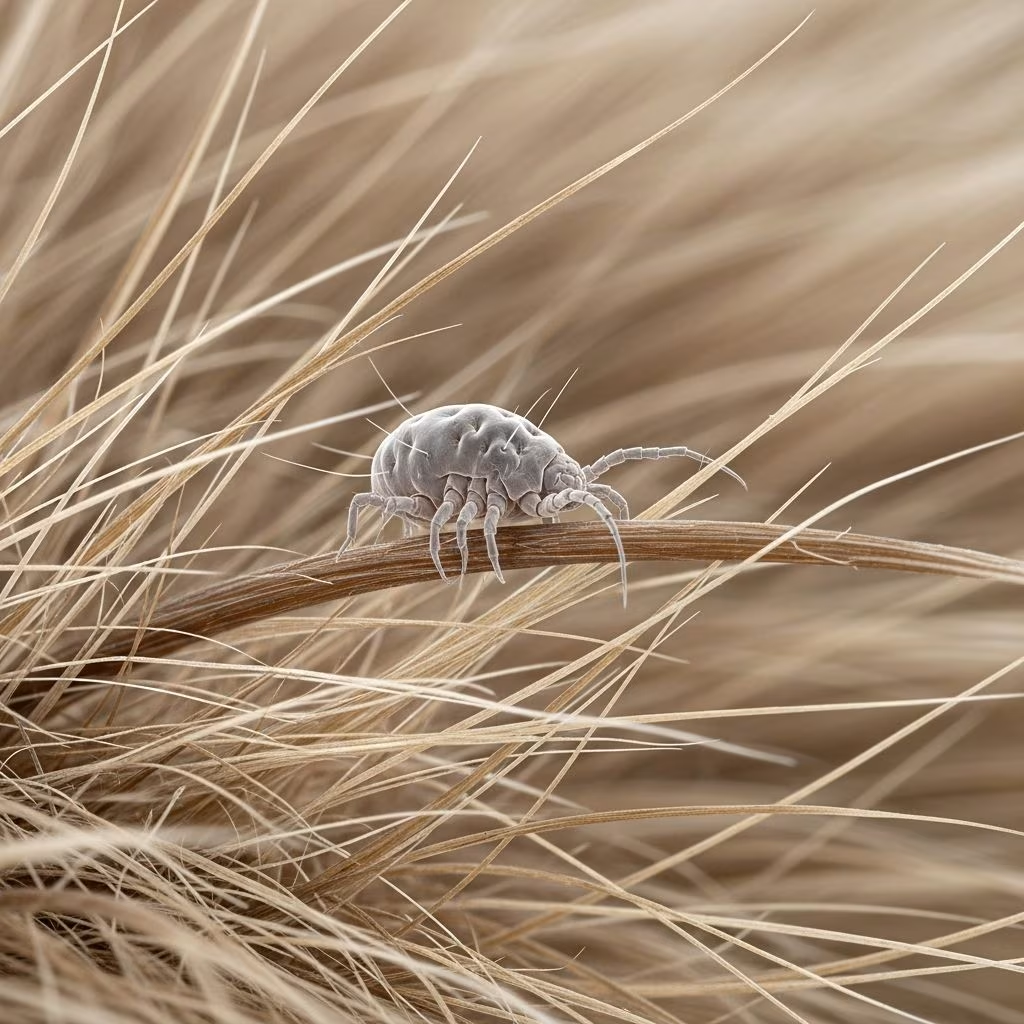
Mites are microscopic parasites that infest dogs, causing conditions like mange, intense itching, hair loss, and skin infections. Early detection and proper treatment are crucial to prevent discomfort and complications in pets.
Understanding the Main Types of Mites Affecting Dogs
Dogs can suffer from several mite species, each with unique behaviors and impacts on the skin or ears. Recognizing these differences helps in targeted management.
- Sarcoptic Mites (Scabies): These burrow into the skin, provoking severe allergic reactions to their waste. They spread easily to other dogs and sometimes humans, leading to rapid symptom onset.
- Demodex Mites: Normally residing harmlessly in hair follicles, they overpopulate in dogs with weakened immunity, causing demodicosis with patchy baldness and inflammation.
- Ear Mites (Otodectes): Residing in ear canals, these trigger dark, crumbly discharge, head shaking, and potential ear damage if untreated.
- Chigger Mites (Trombiculosis): Larvae attach to thin-skinned areas like paws or belly, injecting enzymes that cause orange-red welts and irritation before detaching.
Key Symptoms Indicating a Mite Problem
Watch for behavioral and physical changes signaling mite activity. Symptoms vary by type but often overlap, making veterinary confirmation essential.
| Mite Type | Primary Symptoms | Common Locations |
|---|---|---|
| Sarcoptic | Intense itching, red bumps, crusty sores, hair loss | Ears, elbows, belly, hocks |
| Demodex | Hair loss patches, red swollen skin, acne-like lumps, footpad inflammation | Face, legs, trunk |
| Ear Mites | Head shaking, ear scratching, dark waxy buildup, odor | Ear canals |
| Chiggers | Small red-orange dots, intense itching, blisters | Head, ears, feet, groin |
Non-stop scratching disrupts sleep and leads to self-inflicted wounds prone to bacterial infections. Affected dogs may seem restless or depressed.
How Mites Spread and Risk Factors
Mites transmit via direct contact with infested animals, shared bedding, or environmental contamination. Sarcoptic and ear mites are highly contagious among dogs and to people temporarily. Demodex often emerges in puppies or stressed adults with compromised immunity, not from external sources.
Chiggers lurk in grassy areas during warm seasons, attaching during outdoor romps. Puppies, seniors, and dogs with health issues like poor nutrition or concurrent illnesses face higher risks.
Diagnosis Process in Veterinary Clinics
Vets perform skin scrapings to view mites under a microscope, though sarcoptic ones are elusive. Ear swabs detect otodectes effectively. For demodex, deep scrapings assess mite counts and folliculitis.
If scrapings are negative but suspicion remains high, a response trial with anti-mite drugs confirms sarcoptic mange. Blood tests rule out underlying conditions for generalized demodex cases.
Comprehensive Treatment Approaches
Treatment protocols depend on mite type, infestation extent, and secondary issues. Always follow vet directives for safe, effective resolution.
Topical Therapies
- Medicated shampoos and lime-sulfur dips remove crusts and kill mites safely, even in young pups.
- Spot-on applications like selamectin or fipronil target skin and ears.
- Ear cleaners and parasiticide drops clear otodectes, often with whole-body treatment to prevent spread.
Systemic Medications
- Oral or injectable options like ivermectin (avoid in herding breeds with MDR1 mutation), moxidectin, or isoxazolines eliminate mites internally.
- Heartworm testing precedes some treatments due to overlapping drugs.
Antibiotics treat secondary pyoderma, common from scratching. Environmental decontamination—washing bedding, vacuuming—breaks the cycle.
Treatment Duration and Monitoring
Multiple dips or doses span weeks, with monthly scrapings tracking progress. Generalized demodex demands rigorous management; localized cases may self-resolve.
Prevention Strategies for Mite-Free Dogs
Proactive steps minimize infestation risks, especially for at-risk dogs.
- Regular flea/tick preventives with mite coverage (e.g., isoxazolines).
- Boost immunity via balanced nutrition, vaccinations, and stress reduction.
- Avoid high-risk environments like wild areas for chiggers; check paws post-outings.
- Quarantine new pets and inspect regularly for early signs.
- Clean living spaces frequently to eliminate eggs or larvae.
When to Seek Emergency Vet Care
Rush to the vet if itching escalates to raw skin, lethargy, fever, or ear discharge with balance loss. Untreated infestations lead to chronic issues or zoonotic spread.
FAQs on Dog Mites
Can humans catch mites from their dogs?
Sarcoptic mites cause temporary itchy rashes in people but don’t complete their lifecycle on humans. Treat the dog promptly to resolve.
Are mites visible to the naked eye?
Most are microscopic; chiggers and ear mite debris (coffee-ground wax) are exceptions. Part fur for close inspection.
Can mites be treated at home?
No—self-treatment risks resistance or toxicity. Vets prescribe species-specific protocols.
How long until symptoms improve?
Relief starts in days with proper therapy, but full clearance takes 4-8 weeks. Consistency is key.
Is demodex contagious?
Juvenile form may pass from dam to pups; adult demodex is not.
Maintaining vigilance ensures dogs enjoy itch-free lives. Consult professionals for tailored advice.
References
- What Are Dog Mites + How Are They Treated? — Bond Vet. 2023. https://bondvet.com/blog/what-are-dog-mites
- Mite Infestation (Mange, Acariasis, Scabies) in Dogs — Merck Veterinary Manual. 2024-10-15. https://www.merckvetmanual.com/dog-owners/skin-disorders-of-dogs/mite-infestation-mange-acariasis-scabies-in-dogs
- What Are Dog Mites? — Little Silver Animal Hospital. 2023. https://littlesilveranimalhospital.com/blog/what-are-dog-mites/
- A Brief Guide to Mites on Dogs — Sorrento Animal Hospital. 2023. https://www.localvet.com.au/sorrentoanimalhospital/Blog/A-Brief-Guide-to-Mites-on-Dogs-Signs-Causes-Treatments–Prevention
- Mites on Dogs: Signs, Treatments and Prevention Tips — CareCredit. 2024. https://www.carecredit.com/well-u/pet-care/mites-on-dogs/
- Sarcoptic Mange (Scabies) — Cornell University College of Veterinary Medicine. 2024. https://www.vet.cornell.edu/departments-centers-and-institutes/riney-canine-health-center/canine-health-topics/sarcoptic-mange-scabies



