

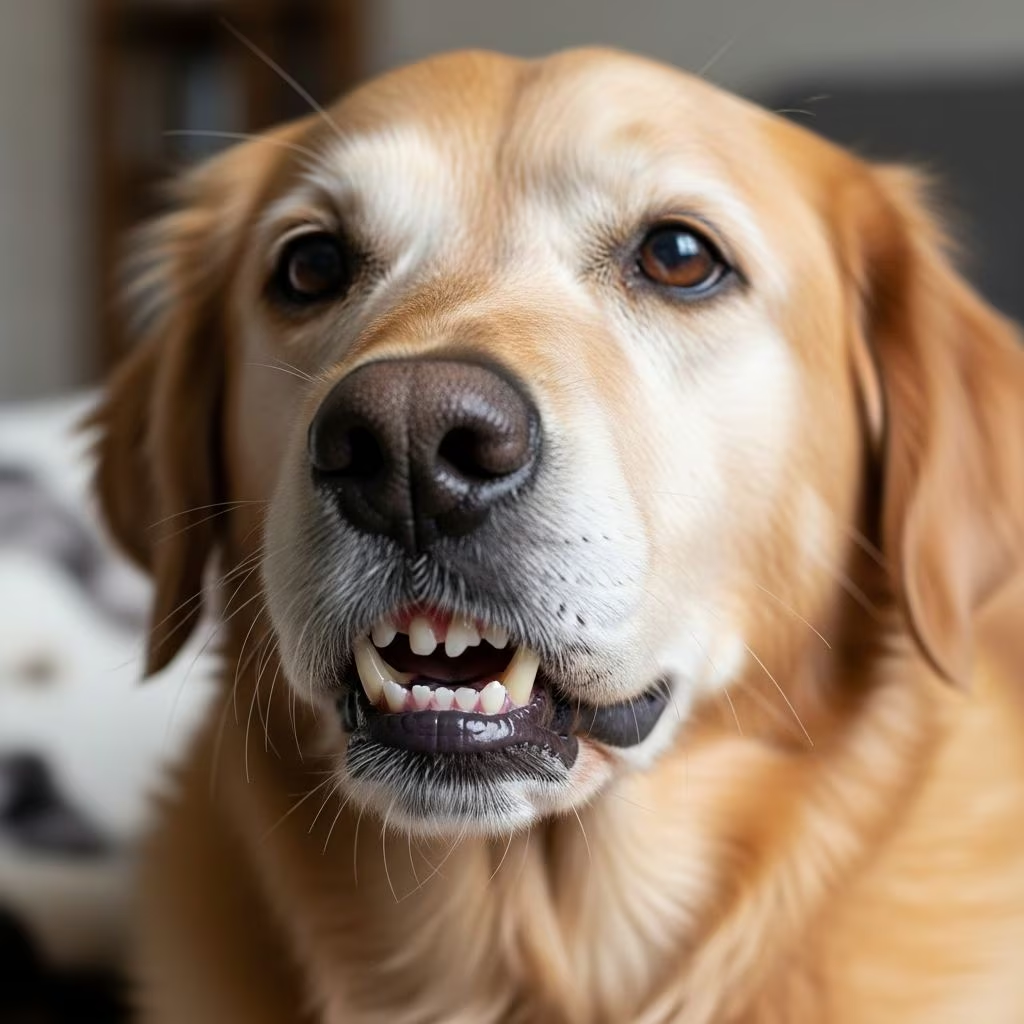
Missing teeth in dogs can signal underlying health problems or result from natural processes, affecting their ability to eat, chew, and maintain overall well-being. Understanding the reasons behind tooth loss helps owners provide timely care and prevent further complications.
Understanding Canine Dental Anatomy
Dogs typically have 42 permanent teeth, arranged for tearing, gripping, and grinding food. Puppies start with 28 deciduous teeth that shed around 3-6 months, replaced by adult ones. Small breeds often face more dental challenges due to crowded teeth, while larger dogs may suffer trauma-related losses.
The roots anchor teeth into the jawbone via ligaments and gums. When these supports weaken, teeth become loose or fall out. Senior dogs frequently lose molars, impacting their nutrition.
Primary Causes of Tooth Loss in Dogs
Tooth absence varies by age, breed, and lifestyle. Here are the most frequent culprits:
- Periodontal Disease: The top cause, this infection starts with plaque buildup leading to gingivitis, then periodontitis. Bacteria erode gums, ligaments, and bone, causing teeth to loosen and drop. Small breeds like Chihuahuas are prone due to genetics and diet.
- Trauma and Fractures: Chewing hard items like rocks, antlers, or bones, fights, or accidents fracture teeth. Broken roots may resorb or get covered by gum tissue, appearing missing. Exposed pulp invites infection.
- Unerupted or Embedded Teeth: Permanent teeth fail to emerge, staying buried in bone. Common in brachycephalic breeds (e.g., Bulldogs), they risk cyst formation that destroys jawbone.
- Retained Deciduous Teeth: Baby teeth don’t shed, blocking adult ones. If untreated, misalignment or resorption occurs.
- Enamel Defects and Resorption: Viral infections like distemper, malnutrition, or genetics weaken enamel, leading to decay and loss. Tooth resorption sees the body dissolve its own tooth structure.
Recognizing Symptoms of Dental Problems
Early detection prevents progression. Watch for these signs:
| Symptom | Description | Associated Cause |
|---|---|---|
| Bad Breath (Halitosis) | Persistent foul odor from bacterial buildup. | Periodontal disease |
| Excessive Drooling | More saliva, sometimes bloody, due to pain. | Gum inflammation or infection |
| Difficulty Eating | Drops food, prefers soft items, chews on one side. | Missing molars or loose teeth |
| Pawing at Mouth | Rubs face or paws mouth frequently. | Pain from fractures or abscesses |
| Weight Loss | Unexplained drop from reduced intake. | Chewing discomfort |
| Swollen/Red Gums | Bleeding or receding gumline. | Gingivitis/Periodontitis |
| Facial Swelling | Lumps under eyes or jaw from abscesses. | Infection |
Regular mouth checks reveal loose teeth, tartar, or gaps. Brachycephalic dogs may sneeze or have nasal discharge from fistulas.
When Tooth Loss is Normal vs. Concerning
Puppies naturally lose baby teeth, often swallowing them unnoticed. Adults shouldn’t lose teeth without cause. One or two missing premolars might indicate embedding; multiple molars suggest disease. Seniors over 7 years often have 20-50% tooth loss from cumulative wear.
Diagnosis: Veterinary Dental Exam
A full exam includes visual inspection, probing gums, and dental X-rays to detect hidden roots, cysts, or bone loss. Anesthesia allows thorough cleaning and charting. Probe depths over 3mm signal periodontitis.
Staging helps: Stage 1 (gingivitis) is reversible; Stage 4 involves severe bone loss requiring extractions.
Treatment Options for Missing or Problematic Teeth
Tailored to cause:
- Professional Cleaning: Scaling removes tartar; polishing prevents recurrence. Antibiotics treat infections.
- Extractions: Necessary for mobile teeth or cysts. Minimally invasive for seniors.
- Root Canals or Bonding: For fractures without pulp exposure.
- Surgery: For unerupted teeth or fistulas.
Post-care involves pain meds, soft food, and antibiotics. Most dogs recover quickly, eating better afterward.
Preventing Tooth Loss: Daily and Vet Care
Proactive steps maintain dental health:
- Brush teeth 3-4 times weekly with enzymatic toothpaste.
- Provide dental chews or toys (VOHC-approved).
- Feed dental diets reducing plaque.
- Annual vet cleanings, more for small/senior dogs.
- Avoid hard chews; supervise play.
Spay/neuter prevents passing dental traits.
Caring for Dogs with Missing Teeth
Seniors adapt well:
- Diet: Soak kibble, switch to soft/wet food, or grind meals.
- Additives: Omega-3s reduce inflammation; probiotics aid digestion.
- Monitoring: Weigh monthly; check for new symptoms.
- Comfort: Senior formulas with glucosamine support jaw health.
Dogs with few teeth thrive on canned food or fresh diets, maintaining weight and vitality.
FAQs
Can dogs live without teeth?
Yes, many seniors do well on soft foods, staying healthy and happy.
Is tooth loss painful?
The loss process can be, but extracted teeth relieve discomfort.
How often should I check my dog’s mouth?
Weekly at home; professional exams yearly.
Do all small dogs lose teeth?
They’re at higher risk but preventable with care.
What if I find a loose tooth?
See a vet immediately to avoid infection.
Long-Term Oral Health Outlook
With prevention, most dogs retain teeth into old age. Early intervention averts pain, malnutrition, and costly treatments. Consult vets specializing in dentistry for complex cases.
References
- Caring for Your Senior Pet with Missing Teeth — Vet Dentist TN. 2023. https://vetdentisttn.com/caring-for-your-senior-pet-with-missing-teeth/
- Missing Teeth in Dogs – Symptoms, Causes, Diagnosis, Treatment — WagWalking. 2024. https://wagwalking.com/condition/loss-of-teeth
- Dog Missing Tooth: What it Could Mean — Covet Dentist. 2023. https://covetdentist.com/dog-has-a-missing-tooth/
- Dental Disorders of Dogs — Merck Veterinary Manual. 2025-02-01. https://www.merckvetmanual.com/dog-owners/digestive-disorders-of-dogs/dental-disorders-of-dogs
- Missing Teeth in Dogs — Texas Veterinary Dental Services. 2024. https://texasveterinarydentalcenter.com/missing-teeth-in-dogs/
- How Many Teeth Do Dogs Have, and Can They Lose Them? — PetMD. 2024. https://www.petmd.com/dog/general-health/how-many-teeth-do-dogs-have-and-can-they-lose-them
- 8 Warning Signs of Pet Dental Disease — Animal Dental Center. 2023. https://www.animaldentalcenter.com/pet-owners/8-warning-signs-of-pet-dental-disease/



