Optimizing Your Dog’s Meal Frequency and Timing
Discover how to establish the perfect feeding routine for your dog's health and wellbeing.
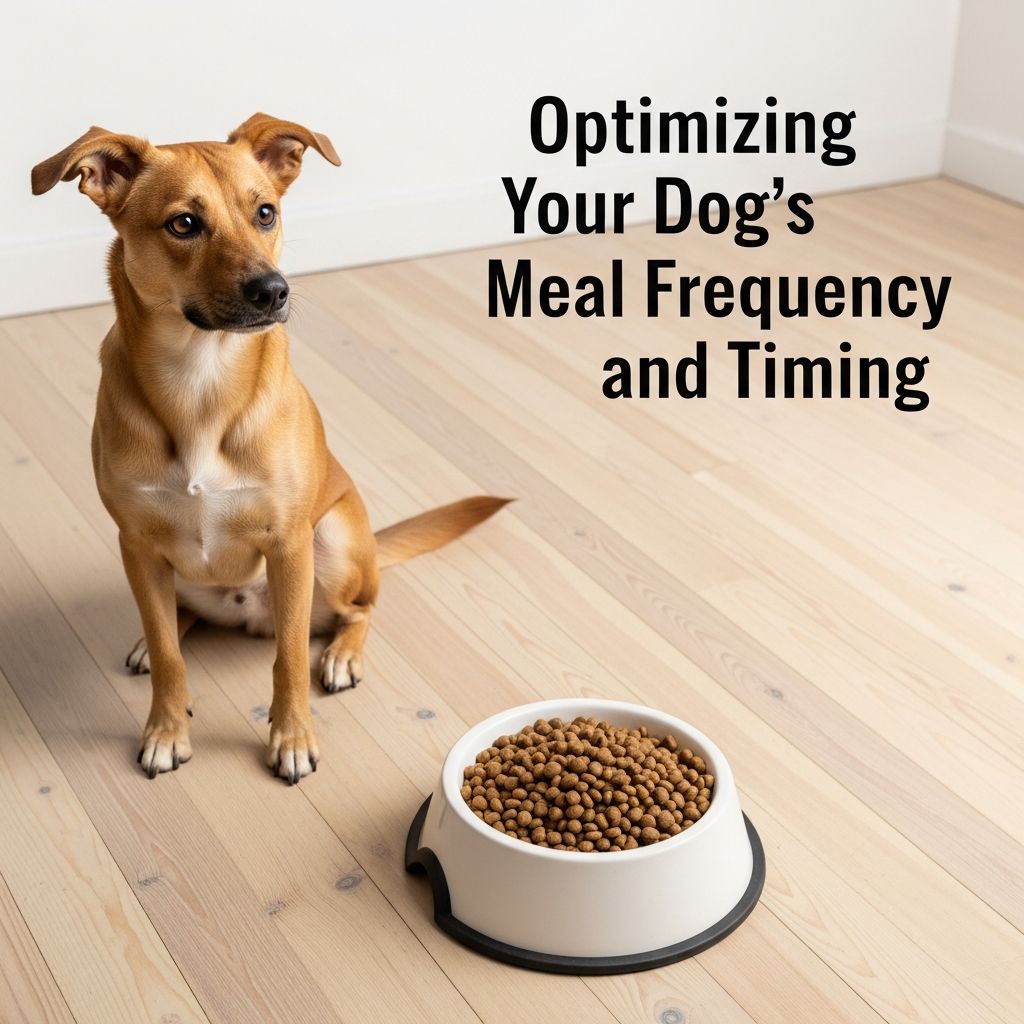
Establishing the right feeding schedule for your dog is one of the most important decisions you’ll make as a pet owner. Beyond simply placing food in a bowl, the timing and frequency of meals directly influence your dog’s digestive health, energy levels, weight management, and overall wellbeing. Many dog owners struggle with determining how many times per day their canine companion should eat and when those meals should occur. The answer isn’t one-size-fits-all; it depends on several key factors including age, breed, size, activity level, and individual health considerations.
Understanding Canine Digestive Biology and Feeding Needs
To develop an appropriate feeding schedule, it helps to understand how your dog’s digestive system works. Dogs possess a relatively simple stomach structure similar to humans, which fills with food and then empties into the small intestine over a period of hours. Once food enters the small intestine, the stomach typically remains empty within a few hours. After approximately 8 to 10 hours of an empty stomach, hunger signals begin activating in your dog’s brain, prompting them to seek food. This biological reality forms the foundation for modern feeding recommendations.
Dogs are also creatures of habit, meaning they thrive on consistency and predictability. When you establish a regular feeding routine and maintain it faithfully, your dog learns to anticipate mealtimes and adjust their behavior accordingly. This consistency becomes particularly valuable when house-training puppies or helping adult rescue dogs learn household manners. The predictability of scheduled feeding also helps owners monitor their dog’s appetite and digestion, making it easier to spot potential health issues early.
The Gold Standard: Two Meals Per Day for Adult Dogs
Veterinarians overwhelmingly recommend that adult dogs receive at least two meals per day. This twice-daily feeding approach offers multiple physiological and behavioral advantages. Distributing the daily food intake across two meals helps prevent excessive blood sugar spikes and troughs throughout the day, promoting more stable energy levels. Rather than feeding your dog their entire daily caloric requirement in a single large meal, splitting the portion allows their digestive system to process food more efficiently and maintain steadier glucose levels.
The standard approach involves feeding your adult dog once in the morning and once in the evening, ideally with 8 to 12 hour intervals between meals. This timing allows for adequate digestive processing while preventing the discomfort of prolonged hunger periods. Many dog owners find that morning and evening feedings work well with their own daily schedules, making consistency easier to maintain.
Splitting meals into two portions also helps manage hunger sensations more effectively. Dogs fed once daily often experience extended periods of stomach emptiness, which can intensify hunger signals and lead to behavioral issues such as food obsession, begging, or overeating when food finally becomes available. Two daily meals reduce these extreme fluctuations in appetite and contribute to a more emotionally satisfied dog.
Special Considerations for Different Life Stages
Feeding Young Puppies
Puppies have dramatically different nutritional requirements compared to adult dogs. Growing dogs need significantly more calories per pound of body weight to fuel development, support immune function, and build strong bones and tissues. Most veterinarians recommend feeding puppies up to approximately 4 months of age three meals per day. This frequent feeding schedule ensures that young puppies receive the consistent caloric input their rapidly developing bodies demand.
Between 8 weeks and 6 months of age, puppies benefit most from 3 to 4 daily feedings with portion sizes determined by the specific food brand’s guidelines. Smaller, more frequent meals are ideal during this developmental stage because puppies’ digestive systems are still maturing and cannot process large volumes of food efficiently. Breeders typically manage puppies’ early feedings, but once puppies join their new homes, owners should maintain this frequent feeding schedule before gradually transitioning to adult feeding patterns.
As puppies mature from 4 to 6 months old, they can gradually transition toward three meals per day. This transition should occur gradually by slowly reducing meal frequency while increasing portion sizes slightly at remaining feedings. By the time puppies reach 6 to 8 months, most can successfully manage two meals daily, though some large and giant breed puppies benefit from three meals until reaching full maturity.
Senior Dogs and Modified Schedules
Adult and senior dogs typically thrive on two meals per day, though individual needs vary. However, certain senior dogs may benefit from additional considerations. Older dogs experiencing digestive issues, metabolic disorders, or medical conditions like gastroesophageal reflux disease (GERD) may need modifications to their standard feeding schedule. Dogs with GERD, for instance, are prone to reflux when their stomach remains empty for extended periods, making more frequent smaller meals medically necessary.
Large and giant breed dogs sometimes benefit from two to three meals daily throughout adulthood rather than transitioning to strictly twice-daily feeding. This can help manage bloat risk and improve nutrient absorption in these breeds with faster metabolic demands.
Breed and Size Considerations in Feeding Frequency
A dog’s breed and resulting adult size significantly influence appropriate feeding frequency and portion amounts. Different breeds have evolved with different metabolic rates and digestive capacities.
Toy Breed Dogs
Toy breeds represent the smallest dogs and have unique nutritional requirements. Toy breed puppies up to 4 months require four to five meals per day because their small stomachs cannot hold sufficient food in fewer feedings to meet their caloric needs. From 4 to 6 months old, toy breed puppies can transition to three daily meals, then move to two meals daily once they reach 6 months of age. Small breed adult dogs typically eat approximately ½ to 1 cup of food per day, divided into two meals.
Medium Breed Dogs
Medium-sized dogs generally require three meals daily during their first four months of life, then transition to two meals per day thereafter. Adult medium breed dogs typically consume around 1½ to 2 cups of food daily, split between morning and evening feedings.
Large and Giant Breed Dogs
Large and giant breed dogs have elevated metabolic demands and longer developmental periods. These breeds benefit from three meals daily through at least their first four months, and many continue thriving on two to three meals into adulthood. Large breed adults typically consume 2½ to 4 cups or more of food daily depending on their individual size and activity level. Some active or working large breed dogs benefit from an additional midday meal or slightly increased portions to fuel their higher energy expenditure.
Activity Level and Individual Dog Variations
Beyond age and breed, a dog’s activity level significantly influences their caloric requirements and optimal feeding schedule. Working dogs, competitive athletes, or highly active breeds often need more total daily calories than sedentary companions. Active or working breed dogs may benefit from additional food throughout the day or slightly increased portion sizes at their standard meals.
Some individual dogs are less food motivated and maintain good health consuming just one meal daily. Others require more frequent meals due to their naturally small appetite or tendency to eat only small volumes at a time. The ideal feeding schedule ultimately depends on your specific dog’s characteristics, preferences, and any health conditions affecting their digestion or metabolism.
Practical Feeding Methods and Portion Management
Timed Feeding Approach
Many dog owners use a timed feeding method to prevent overfeeding and maintain structure. With this approach, you place the measured portion in your dog’s bowl and allow them a specific timeframe—typically 20 to 30 minutes—to eat. When time expires, you remove any uneaten food. This method works particularly well for dogs prone to overeating and eliminates the temptation to leave food available throughout the day. When you offer food again at the next scheduled mealtime 8 to 12 hours later, your dog will be appropriately hungry and ready to eat.
Portion Size Guidelines
Determining appropriate portion sizes requires considering your dog’s weight, age, and activity level. Most dog food packages include feeding guidelines based on weight ranges. When dividing daily portions between meals, simply calculate the recommended daily amount and split it equally among feeding occasions. For example, if your dog’s food recommends 2 cups daily and you’re feeding twice, each meal would contain 1 cup.
| Adult Dog Weight | Daily Feeding Amount |
|---|---|
| 3–12 pounds | ½–1¼ cup |
| 13–20 pounds | 1¼–1⅔ cups |
| 21–35 pounds | 1⅔–2⅓ cups |
| 36–50 pounds | 2⅓–3 cups |
| 51–75 pounds | 3–3¾ cups |
| 76–100 pounds | 3¾–4⅔ cups |
Avoiding Common Feeding Mistakes
Many well-intentioned dog owners inadvertently create feeding problems through common mistakes. Overfeeding represents one of the most prevalent issues, often caused by providing excessive portions or failing to account for treats within daily caloric intake. Overfeeding leads to obesity, which subsequently causes joint problems, metabolic disorders, and reduced lifespan.
When implementing timed feeding, ensure you divide the recommended daily amount between meals rather than providing the full recommended daily amount at each feeding—an easy mistake that effectively doubles your dog’s caloric intake. Additionally, high-quality dog treats should be factored into your dog’s total daily calorie count to prevent unexpected weight gain.
Failing to maintain consistent feeding times undermines the benefits of scheduling. Irregular mealtimes make house-training more difficult and prevent your dog from developing the behavioral rhythm that supports good digestive health.
Transitioning Between Feeding Schedules
As your dog ages or circumstances change, you may need to adjust their feeding schedule. When transitioning from three meals daily to two meals, do so gradually rather than abruptly. Gradually reduce the meals that will be eliminated while keeping remaining meal sizes consistent. This gentle transition allows your dog’s digestive system to adapt without causing upset stomach or digestive distress.
When to Consult Your Veterinarian
While general guidelines provide useful starting points, your individual dog may have unique needs warranting professional guidance. Dogs experiencing health issues, those with medical conditions, or those with other individual needs may require modified feeding schedules that differ from standard recommendations. Additionally, working dogs or those with specialized dietary requirements benefit from veterinary consultation to ensure their nutritional needs are met.
Your veterinarian can assess your dog’s body condition, discuss your individual pet’s characteristics and lifestyle, and recommend a feeding schedule that optimizes their specific health and wellbeing.
Frequently Asked Questions
Can I feed my adult dog just once daily?
While some individual dogs maintain good health on one meal per day, veterinarians recommend at least two meals daily for most adult dogs. Once-daily feeding can lead to excessive hunger periods and potential behavioral issues. However, consult your veterinarian about your specific dog’s situation, as some less food-motivated dogs may do acceptably on a single meal.
Should I adjust portions if I’m feeding twice instead of three times?
Yes, divide your dog’s recommended daily food amount by the number of feedings. If reducing from three to two meals, calculate the daily recommendation and split it evenly. Do not provide the full daily amount at each feeding, as this doubles caloric intake.
Is leaving food out all day harmful?
Free-feeding (leaving food available constantly) makes portion control difficult and prevents you from monitoring your dog’s appetite changes, which can indicate health issues. Scheduled feeding with measured portions is generally recommended for better weight management and health monitoring.
Do active dogs need more frequent meals?
Active or working dogs need increased total calories, which can be provided through larger portions at standard meals or additional meals throughout the day. Discuss your active dog’s specific needs with your veterinarian.
References
- How Much Food Should I Feed My Dog? — Chewy. Accessed March 2026. https://www.chewy.com/education/dog/food-and-nutrition/how-much-food-to-feed-my-dog
- Dog Feeding Chart: How Much Food Should I Feed My Dog? — PetMD. Accessed March 2026. https://www.petmd.com/dog/nutrition/are-you-feeding-your-dog-right-amount
- Dog Feeding Time: How Much and How Often? — WebMD. Accessed March 2026. https://www.webmd.com/pets/dogs/feeding-time
- Feeding Chart For Dogs: A Complete Guide — Darwin’s Pet. Accessed March 2026. https://www.darwinspet.com/blogs/transitioning/feeding-chart-for-dogs-a-complete-guide
- Dog Feeding Schedule By Age Guide — Bully Bunches. Accessed March 2026. https://bullybunches.com/blogs/news/dog-feeding-schedule-by-age-guide
- Feeding Times and Frequency for Your Dog — VCA Animal Hospitals. Accessed March 2026. https://vcahospitals.com/know-your-pet/feeding-times-and-frequency-for-your-dog
- How Much & How Often to Feed a Dog — IGA. Accessed March 2026. https://www.iga.com/shopper-solutions/dog-feeding-chart
- How Often Should Dogs Eat and How Much Should You Feed Them? — American Kennel Club. Accessed March 2026. https://www.akc.org/expert-advice/nutrition/how-often-should-dogs-eat/
Similar Articles





Read full bio of medha deb