

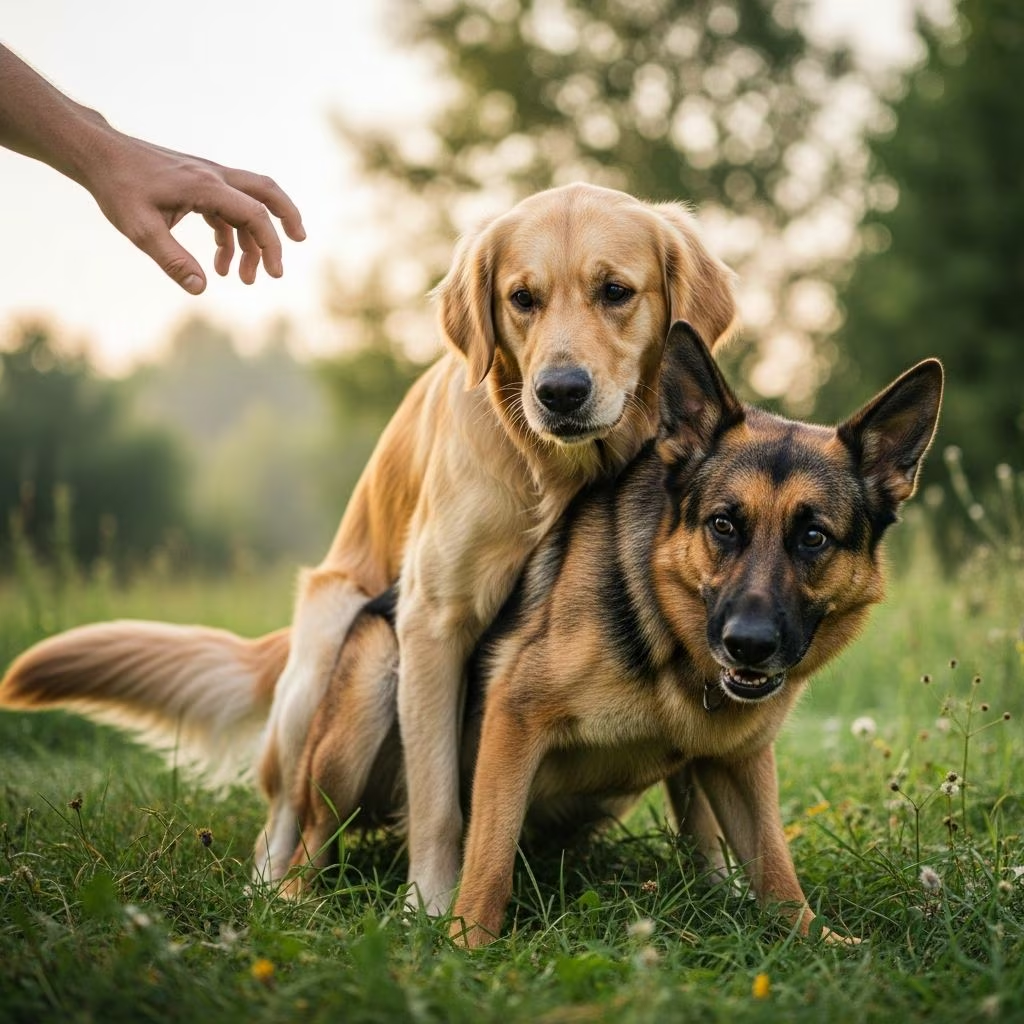
The copulatory tie is a key biological feature of dog reproduction where the male and female physically connect post-mating, ensuring higher conception chances. Forcing them apart can cause serious injury or death, so owners must allow natural separation.
Understanding the Canine Heat Cycle
Female dogs enter estrus, or heat, around six months, cycling twice yearly. This phase signals readiness via bloody discharge, vulva swelling, and flagging tail, drawing males with pheromones.
Heat stages include proestrus (bleeding, attraction), estrus (receptivity, peak days 10-14), diestrus (pregnancy or rest), and anestrus (inactive). Progesterone tests confirm optimal timing for breeding.
- Proestrus: 7-10 days, vulva swells, discharge starts.
- Estrus: 5-10 days, female accepts male.
- Diestrus: 60-140 days, potential pregnancy.
- Anestrus: Rest until next cycle.
Male Dog Responses to Heat Signals
Males detect pheromones year-round post-puberty (6-12 months), showing restlessness, marking, mounting, and aggression toward rivals. They court via sniffing and licking before mounting.
Females signal readiness by flagging; premature advances lead to rejection. Males remain fertile anytime, unlike females’ cyclic receptivity.
Step-by-Step: The Natural Mating Sequence
Mating unfolds in phases for sperm delivery success.
- Courtship: Male sniffs rear, licks; female flags tail.
- Mounting: Male positions, penetrates.
- First Coitus: ~2 minutes, ejaculation begins.
- The Turn: ~5 seconds, dogs face opposite ways.
- Second Coitus: 5-45 minutes, bulbus glandis swells, forming tie.
The tie, lasting 5-30 minutes, blocks semen escape and deters rivals, boosting fertilization.
The Copulatory Tie Explained
The male’s bulbus glandis enlarges inside the female, creating the lock. This evolutionary adaptation maximizes pregnancy odds by deepening sperm placement.
| Aspect | Details | Purpose |
|---|---|---|
| Duration | 5-30 minutes average | Allows sperm migration |
| Position | Often side-by-side after turn | Comfort during tie |
| Appearance | Genitals swollen, connected | Normal, not distress |
Ties over 60 minutes warrant vet checks, but most resolve naturally.
Dangers of Separating Tied Dogs
Intervening by pulling risks tearing genitals, internal bleeding, shock, or fatality. Panic pulls damage tissues; calm waiting is essential.
- Avoid physical force or water sprays.
- Provide space, shade, water nearby.
- Monitor breathing, distress signs.
Stress heightens risks; males suffer more under pressure, so breed in familiar settings.
Post-Mating Care Essentials
After separation, check male’s penis retraction into sheath; gently assist if needed to avoid injury. Allow 2-3 matings 24-48 hours apart for best results.
Prevent further matings by isolating female. Expect rest, appetite shifts, tiredness—normal unless extreme.
- Quiet rest for hours post-mating.
- Maintain nutrition, hydration.
- Record dates for gestation tracking (58-65 days).
Signs of Trouble After Mating
Watch for prolonged ties (>1 hour), bleeding, lethargy, vomiting, refusal to eat. Slip matings (no tie) may still conceive; retry next day.
Vet progesterone tests optimize timing; early/late ovulation varies.
Breeding Best Practices Table
| Factor | Recommendation |
|---|---|
| Age | Post-maturity: females 6-12mo, males 9-12mo |
| Timing | Days 10-14 estrus, vet-tested |
| Environment | Male’s territory reduces stress |
| Frequency | 2-3 ties, 1-2 days apart |
| Aftercare | Isolation, rest, monitoring |
Frequently Asked Questions
Can dogs get pregnant without a tie?
Yes, slip matings can result in pregnancy, though ties improve odds.
How long is a normal dog mating tie?
Typically 5-30 minutes; up to 45 is common.
What if dogs are stuck over an hour?
Contact vet immediately; lubrication or meds may help safely.
Do males go into heat?
No, only females; males are ready anytime post-puberty.
Is tiredness normal post-mating?
Yes, increased rest and appetite changes occur; monitor for extremes.
Health Checks for Breeding Success
Pre-breeding exams ensure fertility, rule out infections. Post-mating ultrasounds confirm pregnancy around day 25. Nutrition ramps up if expecting.
Breeding unplanned? Spay/neuter prevents issues. Responsible ownership prioritizes welfare over litters.
References
- The Dog Mating Process Explained — Tractive. 2023. https://tractive.com/blog/en/good-to-know/dog-mating
- Dog Mating | Breeding — The Royal Kennel Club. 2024. https://www.royalkennelclub.com/dog-breeding/before-breeding/dog-mating/
- Understanding How Do Dogs Mate Naturally — Hawaii Dog Trainers. 2023. https://hawaiidogtrainers.com/how-do-dogs-mate/
- Normal Dog Behavior After Breeding — Dial a Vet. 2024. https://www.dialavet.com/vet-answers/normal-dog-behavior-after-breeding-156345
- Estrus and Mating in Dogs — VCA Animal Hospitals. 2023. https://vcahospitals.com/know-your-pet/breeding-for-pet-owners-estrus-and-mating-in-dogs
- Breeding – What to Expect After Mating — Vetwest Veterinary Clinics. 2024. https://www.vetwest.com.au/pet-library/breeding-what-to-expect-after-mating/



