

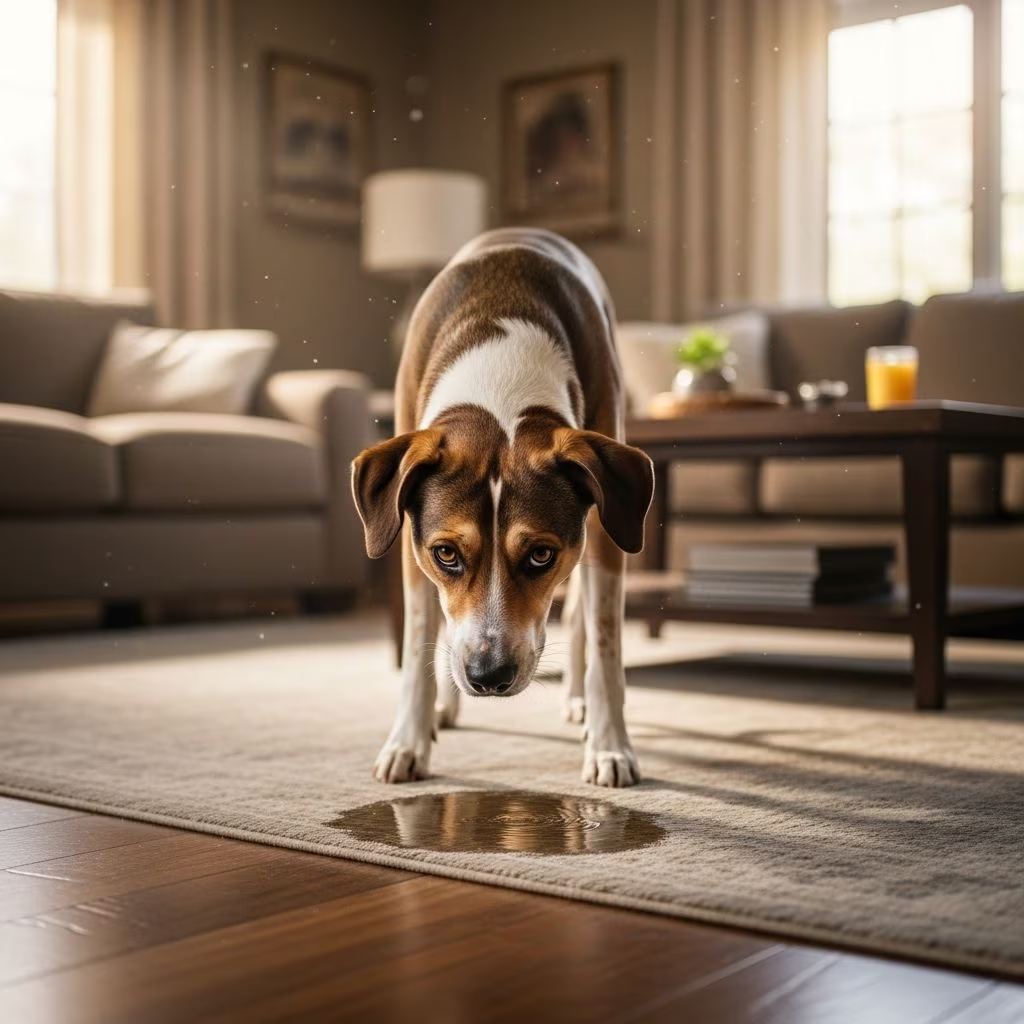
Dog Marking and Peeing in the House: Causes and How to Stop It
Dogs communicate with the world in many ways, and one of their primary methods of expression is through urine. When your beloved companion starts marking or peeing inside your home, it can be frustrating and confusing. However, understanding the underlying reasons behind this behavior is the first step toward resolving it. Dog marking and indoor peeing can occur for a variety of reasons—from territorial instincts and stress responses to hormonal influences in intact males. This behavior most commonly appears when a dog enters a new environment, when a new dog joins the household, or when significant life changes occur within the home.
Understanding the Difference Between House Soiling and Urine Marking
Before addressing solutions, it’s essential to distinguish between house soiling and urine marking, as these are two distinct behaviors requiring different approaches. House soiling typically involves larger volumes of urine deposited in one location, often near exit points or areas where your dog normally eliminates. This usually indicates a lack of house training or a medical issue.
Urine marking, by contrast, involves small amounts of urine sprayed on multiple locations throughout your home. Dogs often mark on vertical surfaces such as walls, furniture, and door frames. Marking is a natural communication method that allows dogs to establish territory and convey information to other animals. Understanding this distinction is crucial because the treatment strategies differ significantly between the two behaviors.
Why Is My Dog Peeing in the House?
The reasons behind indoor urination are multifaceted and require careful consideration. While house training should establish good bathroom habits, it’s not a guaranteed prevention against future accidents. Additionally, medical issues can result in what appears to be intentional peeing inside.
Territorial Marking
Dogs feel threatened in various situations and may respond by marking their territory to establish control and security. When your dog marks inside your home, they’re essentially saying, “This is mine.” This behavior often intensifies when multiple dogs share a household, particularly if there are conflicts or tension between them. The presence of another animal—whether it’s a new pet in the home or animals your dog observes through windows and doors—can trigger territorial marking behaviors.
Stress and Anxiety
Stress is a significant contributor to indoor marking behaviors. What might surprise many dog owners is that stress can stem from various sources. Adding new furniture to your home, verbal disagreements between family members, or bringing home the scents of other animals from a friend’s house can all trigger anxiety in your dog. Uncertainty and change cause dogs to feel less in control of their environment, prompting them to mark as a way to regain that sense of control. It’s important to note that separation anxiety—where a dog urinates when you leave or return home—is not considered marking and requires different treatment approaches.
Hormonal Influences
Intact male and female dogs have hormonal urges that drive marking behavior. Unaltered males are particularly prone to urine marking as a natural response to reproductive instincts. Female dogs in heat can trigger increased marking in male dogs within the household. This hormonal component is why spaying and neutering are such effective preventative measures for this behavior.
Medical Issues
Before assuming your dog’s peeing is behavioral, it’s critical to rule out medical causes. Changes in elimination habits can indicate serious health concerns such as urinary tract infections (UTIs), urinary incontinence, bladder stones, cancer, or kidney issues. If your dog suddenly starts marking or increases marking frequency when nothing else has changed in your home, contact your veterinarian immediately. Additionally, if your dog urinates without seeming to realize it—whether sleeping or awake—this is not marking and suggests an underlying medical condition requiring professional attention.
How to Stop Dog Urine Marking
Addressing indoor marking requires a multifaceted approach tailored to your dog’s specific situation. There is no one-size-fits-all solution, but implementing these strategies can significantly reduce or eliminate the behavior.
Spay or Neuter Your Dog
The most effective prevention method for urine marking from unaltered dogs is spaying or neutering, particularly before they reach sexual maturity. Research shows that in 25-40% of dogs, castration at any age was effective in reducing urine marking by 90%. If your dog is already an adult and marking behavior is well-established, neutering may still help but might not completely eliminate the behavior, as a pattern may already be ingrained.
In multi-pet households, consider spaying or neutering all pets, including intact females, as their heat cycles can trigger increased marking in male dogs throughout the home.
Thoroughly Clean Marked Areas
One of the most critical steps in stopping urine marking is properly cleaning affected areas. If you don’t completely neutralize the odor, your dog will continue to mark the same spot. Dogs can smell trace amounts of urine that are completely undetectable to humans, and these lingering odors serve as an invitation to mark again.
Use an enzymatic cleaner specifically designed for pet accidents. Brands such as Nature’s Miracle and Simple Solution are excellent options. Enzymatic cleaners work by breaking down the odor-causing proteins in organic materials, effectively neutralizing the smell rather than just masking it with fragrance. Avoid harsh chemicals or heavily scented cleaners, as dogs may interpret these “challenger” scents as reasons to over-mark the area.
For stubborn stains or to locate hidden marking spots, consider using a blacklight to search your home for urine stains invisible to the naked eye. This technique is particularly helpful when moving into a new home, as previous pet stains may not be immediately visible but can encourage your dog to mark those same locations.
Restrict Access to Problem Areas
If your dog frequently marks specific furniture, walls, or rooms, restrict their access to these areas while you work on the underlying behavior. Use baby gates or closed doors to prevent your dog from reaching previously marked locations. You can also cover marked areas with rugs or mats once properly sanitized to deter remarking. This approach gives you time to address the root cause without your dog reinforcing the marking behavior.
Revisit House Training Basics
You may need to return to fundamental house training principles with a dog who marks indoors. Start by reducing their freedom to roam unsupervised throughout your home. Consider implementing crate training, which naturally encourages dogs to avoid eliminating where they sleep. Take your dog outside frequently—at regular intervals throughout the day and after meals, playtime, and naps—and reward them enthusiastically for eliminating in appropriate outdoor locations.
Allow your dog ample time to fully empty their bladder before allowing them back inside. Short bathroom breaks may leave them feeling the need to mark indoors. Consistency and patience are essential when revisiting house training, as it may take weeks or months to establish new habits.
Supervise Your New Dog
When bringing a new dog into your home, keep them on a leash and under close supervision initially. Watch for any signs of wanting to mark, and immediately redirect them outside if you notice the behavior starting. This preventative approach prevents marking patterns from establishing themselves in the first place. If you must leave your dog alone, ensure they’re crated or confined to an enclosed area where marking is unlikely to occur.
If your dog has a history of marking, continue this supervised approach when acquiring new furniture or other upright items that might trigger marking behavior.
Address Underlying Stress and Conflicts
Identifying and resolving the sources of your dog’s stress and anxiety is crucial for long-term success. This might involve helping your dog feel more comfortable with visitors, implementing gradual adjustments to routine changes, treating noise anxiety, or resolving conflicts between multiple pets in your household. By addressing the root cause of marking behavior, you’ll see a significant decrease in the problem. Consider consulting with a professional dog trainer or veterinary behaviorist if stress-related marking persists.
Consider Belly Bands as a Temporary Solution
Belly bands are protective garments designed for male dogs that function like diapers. They serve as a short-term solution or protective measure while you work on addressing the underlying cause of marking. However, they’re not a permanent fix and require diligent maintenance.
Belly bands must be changed and washed frequently—typically daily—using hypoallergenic laundry detergent. Gently clean your dog’s underside where the band rests using hypoallergenic pet wipes. This regular cleaning prevents odor buildup and reduces the risk of skin infections. While belly bands protect your home furnishings during the training and behavior modification process, addressing the root cause remains essential for lasting results.
Prevention Strategies for New Dogs
If you’re bringing home a new dog and want to prevent marking from occurring, implement preventative measures from day one. Keep your new dog on a leash indoors and supervise them constantly. Watch for any attempts to mark and immediately take them outside. Never assume that a newly adopted dog won’t mark in your home—prevention is far easier than correction.
Set up your environment for success by providing frequent outdoor potty breaks, establishing a consistent routine, and using crate training to prevent unsupervised accidents. This proactive approach significantly reduces the likelihood of marking behavior becoming established.
When to Consult Your Veterinarian
Always consult with your veterinarian if your dog’s elimination habits change suddenly or if marking behavior worsens without apparent reason. Your vet can rule out medical issues and provide guidance on behavioral interventions. If stress or anxiety seems to be driving the marking, your veterinarian may recommend anxiety medications or refer you to a certified professional dog trainer or veterinary behaviorist. Professional help can be invaluable in addressing complex behavioral issues, particularly in multi-pet households with conflict issues.
Key Takeaways
Stopping dog urine marking requires understanding the behavior, addressing underlying causes, and implementing consistent management strategies. The most effective approach combines spaying or neutering, thorough enzymatic cleaning, environmental management, and behavioral modification. Remember that this is often a gradual process requiring patience and consistency. While neutering and spaying are highly effective, especially when done before marking behavior becomes established, they’re not guaranteed to eliminate the behavior if it’s already become a learned habit. Combining multiple strategies and working closely with your veterinarian will give you the best chance of success.
Frequently Asked Questions
Q: Is urine marking the same as house soiling?
A: No. Urine marking involves small amounts of urine sprayed on multiple vertical surfaces, while house soiling involves larger volumes of urine in one location. These require different treatment approaches.
Q: Will neutering my dog completely stop marking?
A: Neutering is effective in 25-40% of dogs for reducing marking by 90%. However, if marking behavior is already well-established, neutering may not completely eliminate it, as the behavior may have become a learned habit.
Q: What enzymatic cleaner should I use?
A: Brands like Nature’s Miracle and Simple Solution are effective enzymatic cleaners for pet urine. Choose one specifically designed for pet accidents and follow label directions carefully for best results.
Q: Can stress cause my dog to mark inside?
A: Yes, stress from various sources—including new furniture, routine changes, or new pets—can trigger marking behavior as your dog attempts to regain control of their environment.
Q: How long does it take to stop marking behavior?
A: The timeline varies depending on the underlying cause and your dog’s age. Consistent implementation of these strategies typically shows results within weeks to months.
Q: Should I punish my dog for marking?
A: No. Punishment and raising your voice can actually increase marking behavior by elevating your dog’s stress and anxiety. Use positive reinforcement instead.
References
- Dog Marking and Peeing in the House: Causes and How to Stop It — Best Friends Animal Society. 2025. https://bestfriends.org/pet-care-resources/dog-marking-and-peeing-house-causes-and-how-stop-it
- Marking in Dogs — PetMD, Dr. Christina Hawkins. 2025. https://www.petmd.com/dog/behavior/urine-marking-dogs
- How To Stop a Dog From Marking in the House — Zoetis Petcare. 2025. https://www.zoetispetcare.com/blog/article/stop-dog-marking-house
- How to Stop a Dog from Marking in the House – Your Pet and You — Elanco Animal Health. 2025. https://yourpetandyou.elanco.com/us/behavior/how-to-stop-your-dog-marking-in-the-house
- Dog & Cat Territorial Marking Behavior — Santa Barbara Humane Society. 2025. https://sbhumane.org/resources/territorial-marking/
- Curbing the Issue of Dog Marking — American Kennel Club. 2025. https://www.akc.org/expert-advice/training/curbing-marking/



