

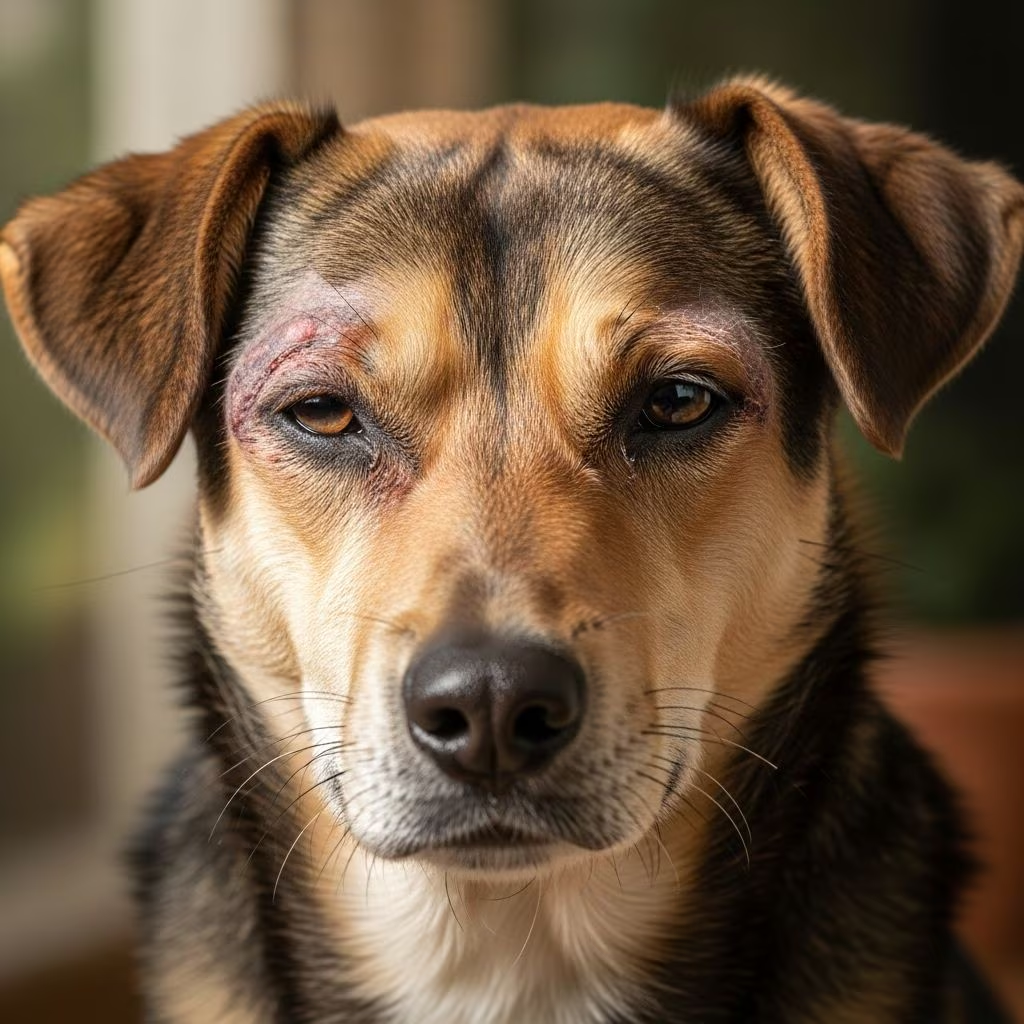
Understanding Dog Mange: A Comprehensive Health Guide
Dog mange is a common skin condition that affects countless canines each year, causing significant discomfort and distress to both pets and their owners. This parasitic skin disease is caused by microscopic mites that burrow under your dog’s skin, leading to intense itching, hair loss, and various other debilitating symptoms. Understanding mange is essential for any dog owner, as early detection and prompt treatment can prevent severe complications and ensure your pet’s swift recovery.
What Is Dog Mange?
Mange is a skin disorder caused by parasitic mites that infest a dog’s skin and cause irritation, itching, and hair loss. These tiny mites burrow beneath the skin’s surface, disrupting normal skin function and triggering an inflammatory response from the dog’s immune system. The condition can range from mild to severe, with symptoms varying depending on the type of mite involved and the dog’s overall health status.
Types of Dog Mange
There are two primary types of mange that affect dogs, each requiring different treatment approaches and presenting distinct symptoms:
Sarcoptic Mange (Canine Scabies)
Sarcoptic mange is the most common type of mange affecting dogs and is caused by the Sarcoptes scabiei mite. These mites are highly contagious and can spread rapidly from infected dogs to healthy dogs, as well as from wildlife to domestic pets. The condition is characterized by intense itching, often so severe that dogs engage in constant scratching and self-trauma. Sarcoptic mange can also affect humans who come into contact with infected dogs, though the mites cannot complete their life cycle on human skin. If you develop itching after contact with an infected dog, consult your physician.
Demodectic Mange
Demodectic mange, caused by Demodex mites, differs significantly from sarcoptic mange in that it is not contagious between dogs. This type of mange is typically associated with underlying immune system issues or stress. Young puppies may develop localized demodectic mange, which often resolves naturally as their immune system matures. Generalized demodectic mange is more serious and requires aggressive veterinary treatment.
Otodectic Mange
Otodectic mange specifically affects the ear canals and is caused by ear mites. Dogs with this condition exhibit specific ear-related symptoms including excessive ear scratching, head shaking, dark discharge from the ear canals, and visible redness around the affected area. The constant scratching can lead to ear hematomas, requiring additional veterinary intervention beyond standard mange treatment.
Recognizing Mange Symptoms
Skin Changes and Visible Signs
The most recognizable symptoms of mange include hair loss (alopecia), which may start as patchy areas in early-stage mange and progress to more extensive loss. The skin undergoes significant changes during mange infestations, becoming red, inflamed, and scaly. As the condition advances, crusty skin and scabs develop, and in severe untreated cases, the skin may darken and become thickened.
Secondary skin infections are common complications, as the damaged skin becomes susceptible to bacterial and yeast infections. These infections can cause pustules or open sores that are prone to further infection, complicating the treatment process significantly.
Itching and Discomfort
Intense itching accompanies hair loss, causing affected dogs to scratch, bite, and lick themselves constantly. This self-trauma creates additional skin damage and can lead to secondary infections that complicate treatment. The discomfort caused by mange is substantial, and affected dogs often show signs of pain and irritability.
Behavioral and Systemic Changes
Beyond visible skin changes, mange significantly impacts your dog’s overall well-being. The constant discomfort and pain can lead to behavioral changes including increased irritability, depression, and reluctance to engage in normal activities. Some dogs may experience weight loss due to the stress of chronic illness and reduced appetite. Changes in energy levels are common, with many dogs showing lethargy as the disease progresses.
How Dogs Contract Mange
Understanding transmission routes is crucial for prevention. Sarcoptic mange spreads through direct contact with infected animals or contaminated environments. Dogs can contract this highly contagious form from other infected dogs or from contact with wildlife carriers. Demodectic mange, conversely, is not spread between dogs but results from an overgrowth of mites that normally live on all dogs’ skin. This overgrowth typically occurs when a dog’s immune system is compromised or immature.
Diagnosing Mange in Dogs
Proper diagnosis is essential for effective treatment. Your veterinarian will typically perform a skin scraping or other diagnostic tests to identify the type of mite causing the condition. For demodectic mange, bloodwork or radiographs may be performed to look for underlying immune suppression or systemic illness. Early diagnosis allows for prompt treatment initiation and prevents disease progression.
Treatment Options for Mange
Prescription Antiparasitic Medications
The cornerstone of mange treatment involves veterinary-prescribed antiparasitic medications. These medications are specifically designed to eliminate mites and halt disease progression. Treatment approaches vary based on the mange type and severity.
Topical Treatments: For sarcoptic mange, topical treatments such as selamectin or moxidectin spot-on applications provide effective mite control. These ointments and spot-on treatments are usually placed on the dog’s shoulder blades to prevent the dog from licking the medication.
Oral Medications: Oral medications work systemically, targeting mites throughout the body. Oral antiparasitic options include fluralaner, afoxolaner, or milbemycin oxime, prescribed depending on your dog’s specific case and medical history.
Injectable Treatments: Injectable treatments like ivermectin are sometimes used, though this medication is contraindicated in certain dog breeds including Collies, Australian Shepherds, and other herding breeds due to potential toxicity. Your veterinarian will carefully consider your dog’s breed and medical history before prescribing any treatment.
Medicated Baths and Topical Solutions
Medicated baths using amitraz or other prescribed solutions can help reduce mite populations and provide relief from itching. These treatments are typically performed weekly or bi-weekly as directed by your veterinarian. Lime-sulfur dips, which are applied to affected areas, have also proven effective at healing the skin.
Topical balms containing zinc and calendula may help soothe irritated skin and promote healing when used alongside primary treatments. Some dog owners find that coconut oil and aloe vera preparations provide additional comfort for their pets, though these should only be used as supplementary treatments under veterinary guidance.
Managing Secondary Infections
Because mange-damaged skin is prone to bacterial and yeast infections, antibiotic therapy is frequently necessary. Your veterinarian may prescribe oral antibiotics like Convenia® or cephalexin, topical antibiotic ointments, or medicated shampoos to address these secondary complications.
In cases of severe inflammation and itching, glucocorticoids (corticosteroids) may be prescribed for short-term relief, though these medications must be used carefully to avoid further immune system suppression. Anti-inflammatory medications help reduce itching and inflammation but should be used cautiously, particularly in dogs with demodectic mange.
Supportive Care
During treatment and recovery, a cone or protective suit may be recommended to prevent your dog from further self-trauma through excessive scratching and licking. This protective equipment is essential for allowing the skin to heal properly and preventing infection spread.
Can Mange Be Treated at Home?
Mange in dogs cannot be treated at home—affected dogs must be seen by a veterinarian for proper diagnosis and treatment. While various home remedies exist, they should only be used as complementary treatments under veterinary guidance.
Popular home remedy choices include apple cider vinegar, coconut oil, honey, and other natural preparations. These remedies are not effective at dealing with severe mange infestations but can relieve symptoms and provide soothing comfort to your dog’s irritated skin.
Prevention Strategies
While complete prevention of mange isn’t always possible, several strategies significantly reduce your dog’s risk:
- Maintain your dog’s immune system health through proper nutrition and regular veterinary care
- Use monthly or tri-monthly parasite prevention products as recommended by your veterinarian
- Avoid contact with wild animals that may carry mites
- Maintain clean living environments for your dog
- Keep your dog’s grooming supplies and bedding clean and sanitized
It’s important for dogs in the environment to remain on monthly or tri-monthly preventatives to avoid infection and re-infestation. Demodectic mange does not require environmental cleaning as it isn’t contagious, though a monthly or tri-monthly miticidal preventative is still recommended.
Recovery and Prognosis
Most dogs with mange can expect a full recovery with appropriate therapy. Recovery timelines vary depending on the mange type, severity, and individual dog response to treatment. For localized demodectic mange in young puppies, resolution may occur without aggressive treatment as the immune system matures.
For chronic cases, illness is typically due to an underlying systemic condition or secondary infections that require comprehensive management. Mange can be fatal when dogs receive incorrect therapy or underlying medical conditions are not managed properly. This underscores the importance of professional veterinary care and following treatment protocols precisely.
Frequently Asked Questions About Dog Mange
Is mange painful for dogs?
Yes, mange causes significant discomfort including intense itching, skin irritation, and pain from self-inflicted scratching wounds. Secondary bacterial infections can increase pain levels considerably. Proper treatment provides relief from these symptoms relatively quickly, improving your dog’s quality of life substantially.
Can mange spread to humans?
Sarcoptic mites can cause itching in humans who come into contact with infected dogs, though the mites cannot complete their life cycle on human skin. If you develop itching after contact with an infected dog, you should speak to your doctor. Maintaining good hygiene practices and limiting direct contact with infected dogs until treatment begins can minimize this risk.
How long does mange treatment take?
Treatment duration varies depending on the mange type and severity. Localized demodectic mange may resolve without treatment, while generalized cases require aggressive antiparasitic therapy. Sarcoptic mange typically requires consistent treatment for several weeks to months. Your veterinarian will establish a treatment timeline based on your dog’s specific condition.
Can mange be prevented in dogs?
While complete prevention isn’t always possible, maintaining your dog’s immune system health through proper nutrition, regular veterinary care, and parasite prevention significantly reduces mange risk. Avoiding contact with wild animals and maintaining clean living environments also help prevent transmission.
What should I do if I suspect my dog has mange?
Contact your veterinarian immediately for proper diagnosis and treatment. Early intervention prevents disease progression and reduces your dog’s suffering. Your vet will perform appropriate diagnostic tests and establish a comprehensive treatment plan tailored to your dog’s specific condition.
References
- Canine Mange Symptoms and Treatment — PetsCare. Retrieved November 28, 2025. https://www.petscare.com/news/post/canine-mange-symptoms-treatment-guide
- Symptoms and Treatment of a Dog with Mange in Arvada, CO — Arvada Vet Hospital. Retrieved November 28, 2025. https://arvadavethospital.com/blog/dog-with-mange/
- Mange in Dogs and Cats – Integumentary System — MSD Veterinary Manual. Retrieved November 28, 2025. https://www.msdvetmanual.com/integumentary-system/mange/mange-in-dogs-and-cats
- Mange in Dogs – Causes, Treatments & Prevention — YuMove. Retrieved November 28, 2025. https://yumove.co.uk/blogs/dog-expert-advice/mange-in-dogs
- Understanding Mange in Dogs: Types, Symptoms, and Treatment — Noble Vet Clinic. Retrieved November 28, 2025. https://noblevetclinic.com/blog/understanding-mange-in-dogs-types-symptoms-and-treatment
- Mange in Dogs: Symptoms, Causes and Treatment — PetMD. Retrieved November 28, 2025. https://www.petmd.com/dog/conditions/skin/mange-dogs
- Mange in Dogs: Signs, Symptoms & Treatment — Purina. Retrieved November 28, 2025. https://www.purina.com/articles/dog/health/parasites/mange-in-dogs



