

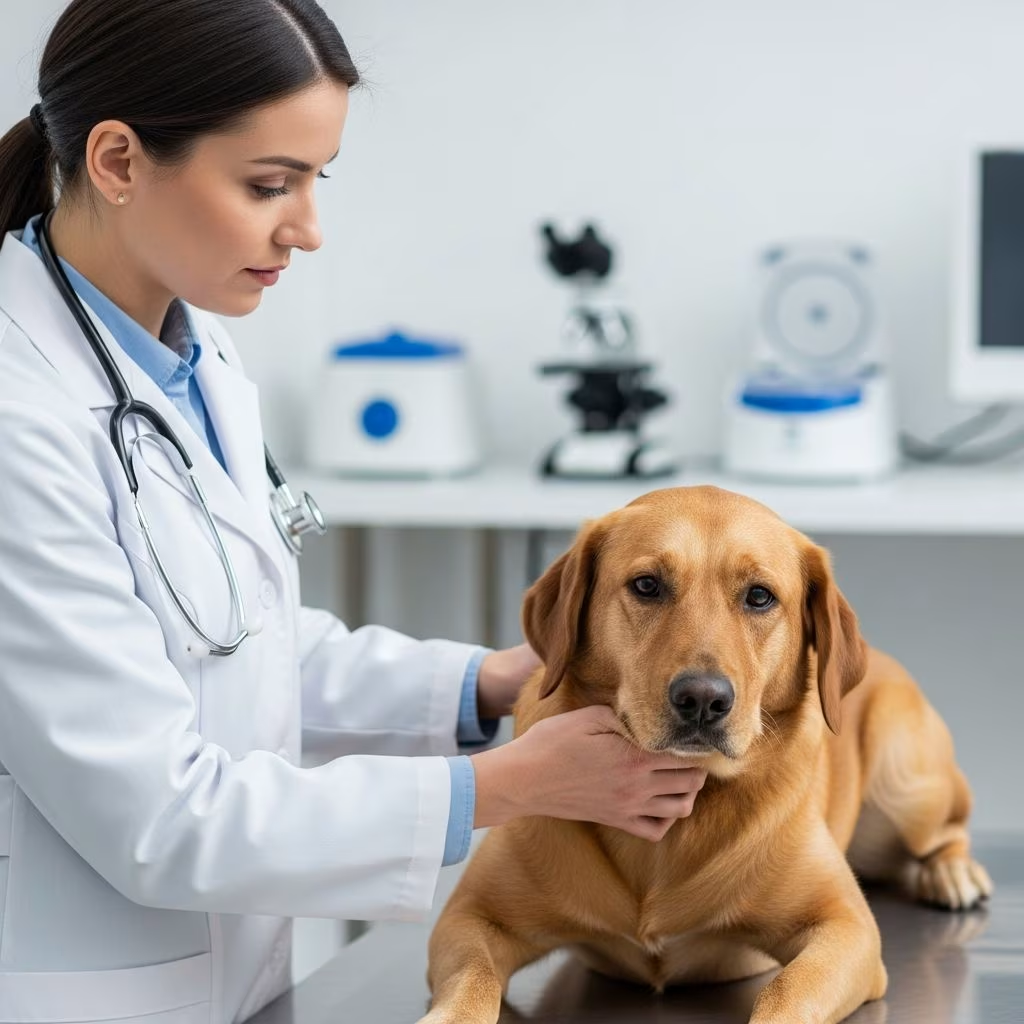
Lymphoma is one of the most common cancers affecting dogs, characterized by the uncontrolled growth of lymphocytes, a type of white blood cell, primarily in the lymph nodes but potentially spreading to organs like the spleen, liver, and bone marrow. Multicentric lymphoma, involving multiple lymph nodes, accounts for 80-85% of cases in dogs. Early detection through symptoms like painless swelling of peripheral lymph nodes can significantly improve outcomes with treatments such as chemotherapy, which achieves remission in 80-90% of cases. This guide covers symptoms, diagnosis, stages, treatment options, prognosis, and supportive care to help pet owners navigate this serious but treatable condition.
What Is Lymphoma in Dogs?
Lymphoma arises from malignant transformation of lymphocytes, leading to tumors in lymphoid tissues. In dogs, it most commonly presents as multicentric lymphoma, with visible swelling in lymph nodes located in the neck, armpits, groin, and behind the knees. These nodes are often the first noticeable sign, appearing firm, painless, and symmetrically enlarged. While the exact cause remains unknown, factors like genetic predisposition in breeds such as Golden Retrievers, Boxers, and Bulldogs may play a role. Unlike in humans, canine lymphoma rarely involves the bone marrow early on but progresses through five stages based on organ involvement.
Other forms include mediastinal (chest/thymus), alimentary (gastrointestinal), extranodal (skin, eyes, kidneys), and central nervous system lymphoma, each with distinct presentations. For instance, alimentary lymphoma causes vomiting and diarrhea, while mediastinal leads to breathing difficulties. Prompt veterinary evaluation is crucial, as untreated lymphoma leads to systemic illness including lethargy, weight loss, and organ failure.
Symptoms of Lymphoma in Dogs
The hallmark symptom of multicentric lymphoma is non-painful enlargement of peripheral lymph nodes, often noticed by owners or during routine exams. Dogs may appear otherwise healthy initially but develop additional signs if untreated: lethargy, decreased appetite, weight loss, fever, and dehydration.
- Multicentric: Swollen lymph nodes in neck, chest, armpits, groin, behind knees; later lethargy, anorexia, weight loss.
- Mediastinal: Difficulty breathing, coughing, exercise intolerance due to chest mass compressing airways.
- Alimentary: Vomiting, diarrhea, weight loss, loss of appetite.
- Cutaneous: Skin lesions, ulcers, itching, plaques or nodules.
- Renal/Extramedullary: Increased thirst/urination, kidney failure signs.
Symptoms vary by stage and subtype; advanced cases show constitutional decline like polyuria, polydipsia, and anemia. Owners should check palpable lymph nodes weekly for changes.
Diagnosis of Lymphoma in Dogs
Diagnosis begins with a thorough physical exam identifying enlarged lymph nodes. Fine-needle aspiration (FNA) cytology confirms lymphoma in 85-90% of cases by examining cells for malignant lymphocytes. If inconclusive, a full biopsy via excisional or core needle provides histologic evaluation and immunophenotyping (B-cell vs. T-cell, with B-cell more responsive to treatment).
Staging requires additional tests:
- Bloodwork (CBC, chemistry) to assess anemia, hypercalcemia, organ function.
- Urinalysis for kidney involvement.
- Imaging: Chest/abdominal X-rays, ultrasound to check organs like spleen/liver.
- Bone marrow aspirate for stage V confirmation.
- Advanced: Flow cytometry, PARR assay for clonality.
Substaging (a= no clinical signs; b= ill) and immunophenotyping guide prognosis—B-cell has better response rates.
Stages of Lymphoma in Dogs
Lymphoma is staged from I to V using the World Health Organization system, determining treatment intensity and prognosis.
| Stage | Description | Symptoms/Prognosis |
|---|---|---|
| I | Single lymph node or lymphoid tissue affected | Mild/no symptoms; most treatable, potential cure with local therapy. |
| II | Multiple nodes in one region | Lethargy, poor appetite; good chemo response. |
| III | Generalized lymph node involvement | Widespread; chemo required, fair prognosis. |
| IV | Nodes + organs (spleen, liver, chest) | Vomiting, thirst, weight loss; aggressive treatment needed. |
| V | Bone marrow or blood involvement | Severe illness, poor prognosis; supportive care key. |
Early stages (I-II) are rare (<10%); most dogs present at III-V.
Treatment Options for Lymphoma in Dogs
Treatment focuses on remission and quality of life, as cure is rare (<10%). Chemotherapy is standard, with dogs tolerating it better than humans—no hair loss, mild side effects in <25% (vomiting, diarrhea, low WBC).
Chemotherapy Protocols
CHOP (Cyclophosphamide, Hydroxydaunorubicin/doxorubicin, Oncovin/vincristine, Prednisone) is gold standard: 80-90% remission, 6-12 month median survival.
- CHOP: Weekly injections for 25 weeks; 90%+ response, 1-year survival ~25-40%.
- Single-agent: Doxorubicin or Tanovea (rabacfosadine, FDA-approved); every 3 weeks, good for maintenance.
- L-asparaginase: Added for relapse or ill dogs.
- Other: Lomustine (CCNU), chlorambucil for indolent types.
Radiation Therapy
For localized (stage I nasal/CNS) or combined with chemo; LDRHBI + CHOP improves survival.
Surgery
Rare; splenectomy for solitary splenic masses.
Steroid-Only (Prednisone)
Palliative: 50% response, 1-2 month survival; avoids chemo costs but induces resistance.
Prognosis and Survival Times
Untreated: 4-6 weeks. CHOP: 80-90% remit, 12 months median survival; 25% alive at 2 years. B-cell better than T-cell; early stage best. Relapse common, but second remission possible with Tanovea. Factors: substage a>b, no bone marrow involvement.
Palliative and Supportive Care
For advanced cases or chemo refusal:
- Pain meds: NSAIDs, opioids.
- Appetite: Entyce (capromorelin).
- Anti-nausea: Cerenia, Zofran.
- Diarrhea: Probiotics, bland diet.
- Nutrition: High-calorie diets, feeding tubes if needed.
Monitor quality of life using scales assessing appetite, mobility, pain.
Frequently Asked Questions (FAQs)
What are the first signs of lymphoma in dogs?
Swollen, painless peripheral lymph nodes in neck, armpits, groin.
Is lymphoma in dogs curable?
Rarely curable but highly treatable; 80-90% achieve remission with chemo.
How much does lymphoma treatment cost for dogs?
CHOP: $4,000-$10,000; prednisone: $50-200/month (varies by location/clinic).
What breeds are prone to lymphoma?
Golden Retrievers, Boxers, Bulldogs, Pit Bulls, Boston Terriers.
Can diet help dogs with lymphoma?
Supportive; high-protein, antioxidant-rich diets aid during treatment, but no cure.
References
- Lymphoma in Dogs — VCA Animal Hospitals. 2023. https://vcahospitals.com/know-your-pet/lymphoma-in-dogs
- Lymphoma In Dogs: Treatment, Palliative Care — Paws at Peace. 2024. https://pawsatpeace.com/lymphoma-in-dogs/
- Lymphoma in Dogs: Symptoms, Stages, and Treatment — PetMD. 2024. https://www.petmd.com/dog/conditions/cancer/c_dg_lymphoma
- Canine Lymphoma: Comprehensive Veterinary Guide for 2025 — Ask A Vet. 2025. https://askavet.com/blogs/news/%F0%9F%90%BE-canine-lymphoma-comprehensive-veterinary-guide-for-2025-%F0%9F%90%BE
- Canine Lymphoma: A Pet Health Care Guide — VetSpecialists.com. 2020-04-07. https://www.vetspecialists.com/vet-blog-landing/animal-health-articles/2020/04/07/canine-lymphoma-in-your-dog-a-pet-health-care-guide
- Lymphoma in Dogs — Merck Veterinary Manual. 2024. https://www.merckvetmanual.com/circulatory-system/lymphoma-in-dogs/lymphoma-in-dogs



