

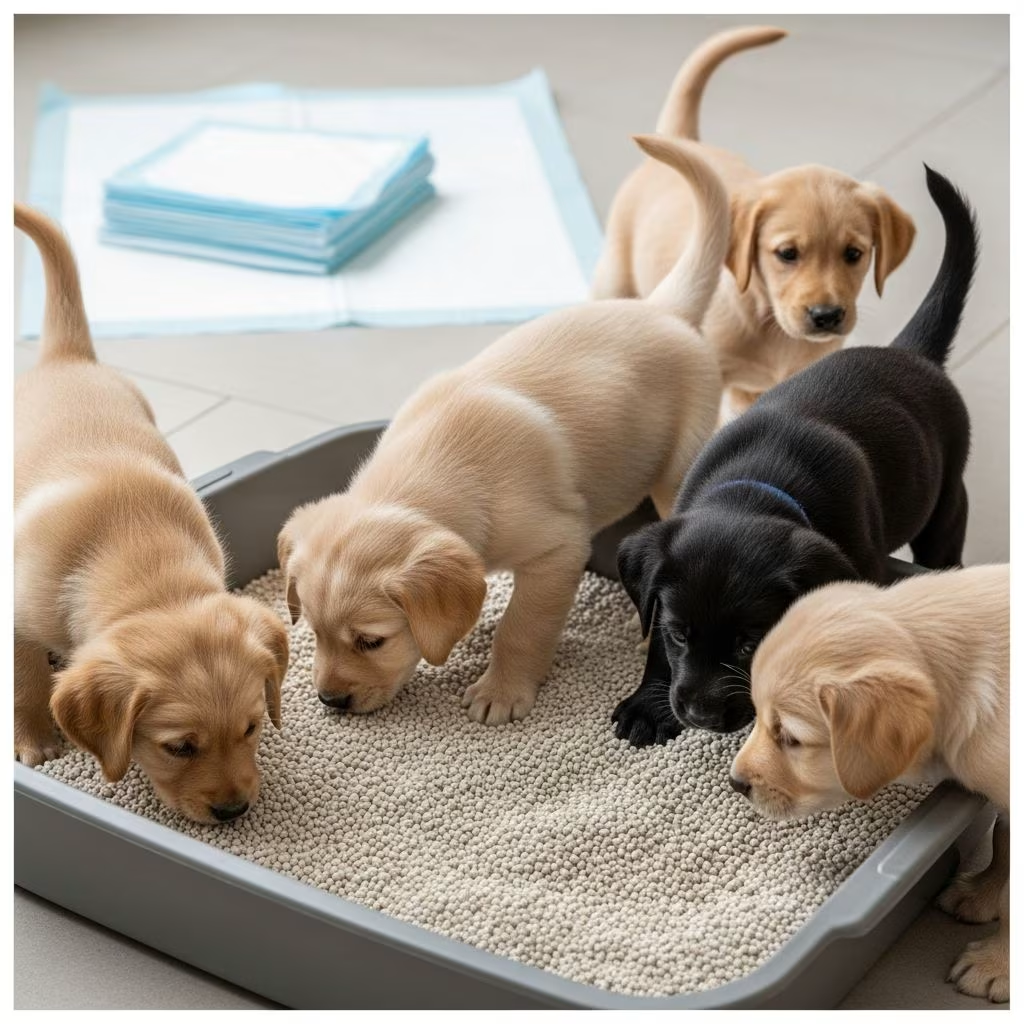
Dog Litter 101: What It Is and How to Use It
Dog litter boxes have emerged as a practical solution for pet owners seeking indoor bathroom alternatives for their canine companions. Whether you live in an apartment, have limited outdoor space, or simply want to provide your dog with additional potty options, understanding how dog litter works and how to implement it properly can transform your household management routine. This comprehensive guide explores everything you need to know about dog litter boxes, from selection and setup to training techniques and maintenance strategies.
Understanding Dog Litter Boxes
A dog litter box is an indoor bathroom solution designed specifically for dogs, allowing them to relieve themselves inside the home without compromising house cleanliness. Unlike traditional cat litter boxes, dog litter boxes are engineered with the unique needs of canines in mind. They feature lower entry points, larger surface areas, and specialized litter materials that accommodate a dog’s size and natural bathroom habits.
Dog litter boxes come in various styles and sizes, ranging from small boxes suitable for toy breeds to larger configurations for medium-sized dogs. Some boxes use artificial grass, pellet-based litter, or washable pee pads as the primary substrate. The fundamental principle behind dog litter boxes remains consistent: they provide a designated indoor space where dogs can eliminate waste safely and hygienically.
Why Consider Dog Litter Training?
Dog litter box training offers several compelling advantages for pet owners facing specific lifestyle challenges. For individuals working extended hours, dog litter boxes provide an accessible bathroom solution without requiring outdoor access during the day. Senior dogs, puppies, or those with mobility issues can benefit from the convenience of indoor bathroom facilities. Additionally, apartment dwellers and those without immediate outdoor space find dog litter boxes invaluable for maintaining their pets’ comfort and health.
However, litter box training works best for smaller dog breeds that can navigate standard-sized boxes comfortably. Larger breeds may struggle with conventional boxes unless specifically sized accommodations are made. The decision to pursue litter box training should consider your dog’s size, age, health status, and your living situation.
Selecting the Right Dog Litter Box
Choosing an appropriate dog litter box forms the foundation of successful training. The box must accommodate your dog’s size comfortably, allowing room to turn around easily since dogs naturally circle before eliminating. According to training experts, selecting a box that your dog can move within without feeling restricted significantly improves acceptance and usage rates.
Key considerations when selecting a dog litter box include:
– Size compatibility with your dog’s current dimensions and potential growth- Low entry points that prevent unnecessary jumping or climbing- Adequate surface area for comfortable positioning- Durable construction that withstands frequent use and cleaning- Washable or easily replaceable components- Ventilation features to manage odor effectively
Importantly, standard cat litter boxes prove unsuitable for dogs due to their limited entry height and smaller dimensions. Dogs lack the natural jumping ability of cats, necessitating specifically designed canine bathroom solutions. Investing in a box designed for dogs ensures your pet can access it effortlessly and comfortably.
Choosing the Right Litter Material
Dog litter materials differ significantly from traditional cat litter. These specialized substrates are formulated to be larger, more absorbent, and specifically designed for dog paws and bathroom habits. The material you select directly impacts your dog’s willingness to use the litter box and the overall maintenance required.
Popular dog litter material options include:
– Pellet-based dog litter: Specifically formulated for absorption and odor control, these larger pellets are comfortable for dog paws while providing superior waste containment- Artificial grass: Mimics natural outdoor conditions, making the transition easier for dogs accustomed to grass surfaces- Washable pee pads: Reusable fabric alternatives that offer convenience and environmental benefits, though they may require more frequent changing- Natural fiber materials: Eco-friendly options that provide good absorption and comfort
When selecting materials, consider your dog’s previous bathroom experience. Dogs accustomed to grass surfaces often transition more smoothly to artificial grass boxes, while those used to outdoor dirt or mulch may adapt well to pellet-based litters. The material’s absorbency level, odor control capabilities, and maintenance requirements should align with your preferences and lifestyle.
Setting Up the Litter Box Properly
Proper placement and setup of the dog litter box significantly influence training success rates. The box should be positioned in an easily accessible location where your dog can reach it independently, away from their primary living and sleeping areas. Most training experts recommend placing the litter box in a quiet, low-traffic zone that provides privacy while remaining accessible.
Ensure the box is positioned on easy-to-clean flooring, such as tile or linoleum, to manage any spills or accidents effectively. The area surrounding the box should have adequate space for your dog to approach without feeling crowded or anxious. Some owners create designated bathroom zones by using puppy pads or washable mats around the litter box perimeter.
For households with multiple dogs, experts typically recommend providing separate boxes, following the same principle as multi-cat households. This prevents territorial disputes and ensures all dogs have access to bathroom facilities without competition.
Litter Box Training: Step-by-Step Process
Successfully training your dog to use a litter box requires patience, consistency, and positive reinforcement. The fundamental approach mirrors traditional outdoor potty training but redirects bathroom activities indoors.
Phase One: Introduction and Familiarization
Begin by introducing your dog to the litter box during their regular potty times, particularly after meals, playtime, naps, and first thing in the morning. Place your dog directly in the box and wait for them to eliminate. Use verbal cues like “go potty” or “do your business” to create an association between the command and the location.
During initial sessions, keep interactions brief and positive. If your dog seems nervous or hesitant, use high-value treats to lure them into and onto the box. Creating positive associations with the box location accelerates the training process considerably.
Phase Two: Establishing Consistency and Routine
Create a structured schedule that takes your dog to the litter box at regular intervals—approximately every two hours initially, with additional trips after meals, playtime, and sleep. Consistency trains your dog’s internal schedule and dramatically increases the probability of successful box usage.
Young puppies may require box visits every hour on the hour, while older dogs can transition to longer intervals as training progresses. Closely monitor your dog for signs indicating an impending bathroom need, such as sniffing, circling, whining, or restlessness. Immediately directing them to the box when these signals appear reinforces the desired behavior.
Phase Three: Positive Reinforcement
The moment your dog successfully uses the litter box, enthusiastically praise them and immediately offer a high-value treat. Timing is crucial—reward must occur within seconds of completed elimination to reinforce the correct behavior effectively. Verbal praise, physical affection, and treat rewards create strong positive associations with litter box usage.
Gradually reduce treat frequency as the behavior becomes habitual, transitioning from constant rewards to intermittent reinforcement and eventually to verbal praise alone.
Phase Four: Gradual Independence
As your dog demonstrates reliable litter box usage, gradually extend the supervised freedom period after successful bathroom trips. Initially allow 10-15 minutes of supervised access to other areas, then gradually increase this timeframe. When accidents occur, return to closer supervision temporarily rather than punishing the dog.
As your dog becomes increasingly reliable, you should observe them voluntarily heading to the bathroom box without prompting. This indicates successful training establishment.
Training Puppies Versus Adult Dogs
Training approaches may differ between puppies and adult dogs, though the fundamental principles remain consistent. Puppies often learn litter box usage relatively quickly, particularly when exposed early in development. Many reputable breeders introduce puppies to litter boxes at approximately 4 weeks of age, with many puppies demonstrating reliable box usage by 8 weeks old.
Adult dogs, particularly those with established outdoor bathroom habits, require more patience and potentially longer training timelines. Dogs who have accepted that indoor elimination is inappropriate may initially resist using an indoor litter box, necessitating gradual retraining of their bathroom instincts and location preferences.
For adult dogs, consider beginning litter box training outdoors. Set up the box in your yard and encourage box usage during regular outdoor potty times. Once your dog reliably uses the outdoor litter box, gradually transition it indoors over several days or weeks, maintaining positive reinforcement throughout the process.
Managing the Training Process
Successful litter box training requires maintaining consistent supervision and managing your dog’s environment strategically. During initial training phases, restrict your dog’s access to other areas of the home when unsupervised. Using baby gates, crates, or designated zones prevents accidents in inappropriate locations and reinforces litter box usage as the designated bathroom area.
The principle underlying this approach recognizes dogs as naturally clean creatures disinclined to eliminate in their living spaces. By limiting accessible areas, you increase the likelihood of your dog seeking out the designated litter box when bathroom needs arise.
When accidents inevitably occur during training, thoroughly clean affected areas using enzymatic cleaners specifically designed for pet waste. These products eliminate residual odors that might otherwise encourage repeated accidents in the same location. Never punish accidents, as this creates fear and confusion rather than reinforcing appropriate behavior.
Special Considerations for Different Dog Sizes
While smaller dog breeds adapt most readily to litter box training, larger dogs can also successfully use litter boxes with proper accommodations. The key difference lies in box sizing and accessibility.
Small Breed Training:
Toy and small breed dogs transition most easily to standard-sized litter boxes. These dogs naturally fit comfortably within conventional boxes and require minimal environmental adjustments. Smaller dogs often demonstrate particularly strong results with artificial grass boxes, which closely mimic their natural bathroom preferences.
Large Breed Considerations:
Larger dogs require appropriately sized boxes—typically custom solutions or commercially available extra-large options. These specialized boxes provide adequate space for larger dogs to turn around comfortably and position themselves correctly. Some owners construct custom solutions using large storage containers or outdoor planter boxes adapted for indoor use.
Regardless of size, litter box training success depends primarily on box selection, material choice, consistent training methodology, and positive reinforcement rather than breed or size alone.
Common Challenges and Solutions
Reluctance to Use the Box:
If your dog demonstrates reluctance to use the litter box, evaluate the box size, material comfort, and location. Some dogs prefer specific materials—try offering multiple substrate options to identify preferences. Ensure the box isn’t positioned near food or water bowls, as dogs naturally resist eliminating near eating areas.
Accidents Outside the Box:
Accidents typically indicate insufficient supervision, inadequate box access, or incomplete training reinforcement. Return to more frequent litter box trips, maintain closer supervision, and ensure your dog has easy access to the box at all times.
Multiple Dog Households:
Provide sufficient boxes for each dog—ideally one per dog plus an additional box. This prevents territorial disputes and ensures all dogs have access to bathroom facilities independently. Separate boxes also help identify which dog might have bathroom issues requiring veterinary attention.
Maintenance and Cleanliness
Regular maintenance ensures continued success and prevents behavioral regression. Clean soiled materials daily or as needed based on your dog’s usage frequency. Completely change litter or pads every 3-7 days, depending on absorption capacity and odor levels. Wash reusable components thoroughly with pet-safe cleaners.
Maintaining the litter box in pristine condition encourages continued usage. Dogs naturally prefer clean bathroom areas, so neglected boxes frequently result in accidents and training difficulties.
Frequently Asked Questions
Q: At what age can puppies start litter box training?
A: Puppies can begin litter box training as early as 4 weeks of age, with many puppies demonstrating reliable usage by 8 weeks old when trained consistently.
Q: Can large breed dogs successfully use litter boxes?
A: Yes, large breed dogs can use litter boxes with appropriately sized boxes, though smaller breeds typically adapt more easily. Custom or extra-large commercial boxes accommodate larger dogs effectively.
Q: How long does litter box training typically take?
A: Training timelines vary considerably. Young puppies may require 4-8 weeks, while adult dogs with outdoor bathroom habits may need 2-3 months or longer with consistent training and reinforcement.
Q: What should I do if my dog has accidents outside the litter box?
A: Accidents indicate insufficient supervision or incomplete training. Increase litter box visits, maintain closer monitoring, ensure easy box access, and clean accident areas thoroughly with enzymatic cleaners to prevent repeat incidents.
Q: Is litter box training appropriate for all dogs?
A: Litter box training works best for smaller dogs and those unable to access outdoor bathroom facilities. While larger dogs can learn to use litter boxes, the solution may be less practical for their needs.
Q: Can I use cat litter in a dog litter box?
A: No, cat litter is unsuitable for dogs. Dog-specific litter materials are formulated for larger paws, different elimination patterns, and superior absorbency compared to cat litter products.
Conclusion
Dog litter box training provides a practical, accessible bathroom solution for pet owners facing unique challenges or lifestyle constraints. Success requires selecting appropriate equipment, choosing comfortable materials, implementing consistent training methodologies, and maintaining positive reinforcement throughout the process. While smaller dogs typically adapt most readily to litter box training, dogs of various sizes can learn to use these indoor bathroom facilities effectively. By following these comprehensive guidelines and remaining patient throughout the training process, you can successfully establish reliable litter box habits that benefit both you and your canine companion.
References
- American Kennel Club Puppy Potty Training Guide — American Kennel Club. 2024. https://www.akc.org/expert-advice/training/how-to-potty-train-a-puppy/
- Whole Dog Journal: Indoor and Patio Litterboxes for Home-Alone Dogs — Whole Dog Journal. 2024. https://www.whole-dog-journal.com/care/indoor-and-patio-litterboxes-for-home-alone-dogs/
- Petmate Academy: Dog Litter Box Training Tips — Petmate, Inc. 2024. https://www.petmate.com/blogs/petmate-academy/dog-litter-box-training-tips
- Dog Litter Solutions: Complete Guide — PetsCare. 2024. https://www.petscare.com/news/post/dog-litter-solutions-guide
- Doggy Bathroom Training: Indoor Dog Potty Solutions — Doggy Bathroom Inc. 2024. https://doggybathroom.com/pages/training



