

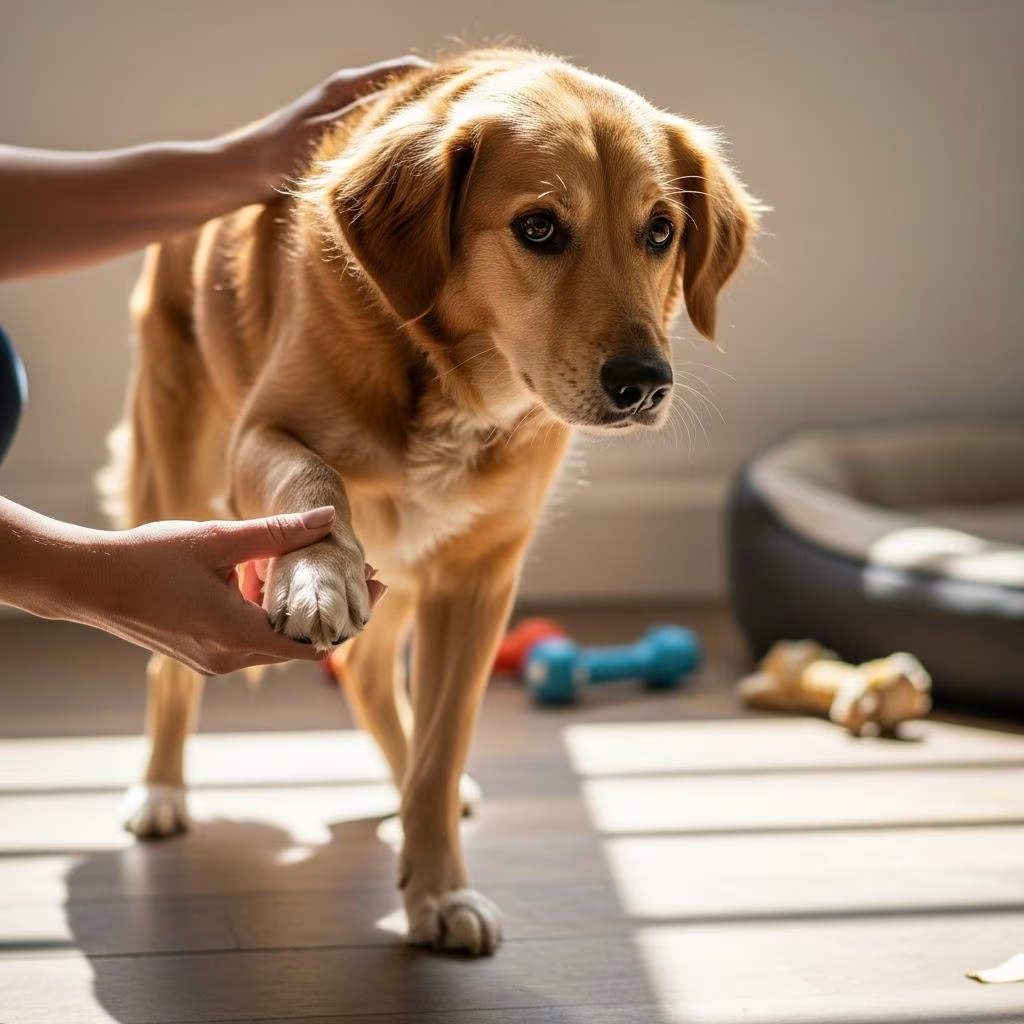
Limping in dogs signals discomfort or injury affecting their gait, ranging from minor paw issues to severe joint problems. Prompt assessment helps distinguish simple fixes from conditions needing professional intervention.
Recognizing the Signs of Lameness in Canines
Dogs exhibit limping by favoring one leg, shortening strides, or avoiding weight on a limb. Observe if the limp appears suddenly after play or gradually worsens over time. Accompanying symptoms like swelling, whining, or reluctance to jump indicate urgency.
- Sudden onset: Often trauma-related, such as sprains or cuts.
- Gradual development: Suggests chronic issues like joint degeneration.
- Shifting legs: Common in infections like Lyme disease.
Check paws for thorns, check joints for heat, and note if rest improves the gait. Persistent lameness beyond 24 hours warrants veterinary attention.
Primary Causes Behind Your Dog’s Uneven Walk
Limping stems from orthopedic, infectious, neurological, or traumatic origins. Understanding these guides effective response.
Trauma and Soft Tissue Damage
Common culprits include muscle strains, ligament tears, or tendon injuries from rough play or falls. Puncture wounds from glass or thorns cause immediate pain.
- Sprains: Overstretched ligaments leading to swelling.
- Tears: Especially cranial cruciate ligaments in active breeds.
- Fractures: Non-weight bearing limps signal breaks needing x-rays.
Joint and Bone Disorders
Osteoarthritis erodes cartilage, causing stiffness in seniors. Hip dysplasia and patella luxation create instability, common in large breeds.
| Condition | Affected Areas | Typical Breeds |
|---|---|---|
| Hip Dysplasia | Hips | Labradors, German Shepherds |
| Patella Luxation | Knees | Small breeds like Chihuahuas |
| Osteoarthritis | Multiple joints | All ages, worse in elderly |
Infections and Inflammatory Issues
Tick-borne diseases like Lyme cause shifting lameness with fever. Bacterial infections or immune-mediated arthritis inflame joints.
Panosteitis in growing puppies inflames long bones, mimicking fractures.
Neurological and Other Factors
Nerve damage from intervertebral disc disease (IVDD) or brachial plexus injuries disrupts coordination. Rarely, cancers affect limbs or spine.
Insect stings or vascular problems add to the list, often with visible swelling.
Step-by-Step Home Assessment for Limping Dogs
Safely evaluate without forcing movement. Start with visual inspection in a calm environment.
- Observe gait: Note which leg, severity (toe-touching vs. non-weight bearing).
- Examine paws: Look between toes for debris, cuts, or blisters.
- Feel limbs: Gently palpate for heat, swelling, or pain reactions.
- Check for systemic signs: Fever, lethargy, or appetite loss.
Restrict activity to a crate or small area. Avoid forcing the leg down.
First Aid Measures for Mild Limping Cases
For non-severe limps without open wounds, apply RICE protocol adapted for pets.
- Rest: Leash walks only, no running or stairs for 48 hours.
- Ice: Wrap ice pack in towel, apply 10-15 minutes twice daily to reduce swelling.
- Compression: Light bandage if minor swelling, not too tight.
- Elevation: Keep limb raised when possible.
Over-the-counter human pain meds are toxic; never administer without vet approval.
When Limping Demands Immediate Veterinary Care
Seek emergency help for:
- Non-weight bearing on limb.
- Limp lasting over 24-48 hours.
- Swelling, open wounds, or deformity.
- Multiple limbs affected or neurological signs like dragging toes.
- Puppy or senior dogs, or breeds prone to dysplasia.
Vets use exams, x-rays, blood tests, or ultrasounds for diagnosis.
Professional Treatment Pathways
Tailored to cause, options include medications, therapies, or surgery.
Medications and Supplements
NSAIDs reduce inflammation; joint supplements with glucosamine support cartilage.
Advanced Rehabilitation Techniques
- Cold laser therapy: Reduces pain, promotes healing without invasion.
- Acupuncture: Targets pain points for relief.
- Hydrotherapy: Low-impact exercise in water builds strength.
- PEMF and TENS: Stimulate circulation and block pain signals.
Surgical Interventions
TPLO for cruciate tears, fracture repairs, or joint stabilization.
Weight management and controlled exercise prevent recurrence.
Preventing Future Limping Episodes
Maintain ideal weight, provide joint-friendly diets, and use ramps for seniors. Regular tick prevention curbs infections. Annual vet checks catch issues early.
Frequently Asked Questions (FAQs)
Can a limping dog still go for walks?
Short, leashed walks only if mild; crate rest for severe cases to avoid worsening.
Is limping always painful?
Yes, it indicates discomfort; monitor for whining or hiding.
How long before seeing a vet for limping?
Immediately if severe; within 24 hours if mild but persistent.
Does arthritis cause limping in young dogs?
Rarely; more common in aged pets, but trauma mimics it.
Are home remedies safe for all limps?
No; consult vet first to rule out fractures or infections.
References
- Why is my dog limping and how can I help them? — Mt. View Veterinary. 2024-05-15. https://www.mtviewvet.com/site/blog/2024/05/15/why-dog-limping
- Causes of Limping in Dogs and How to Treat — Bixby Animal Hospital. N/A. https://www.bixbyah.com/blog/1257885-causes-of-limping-in-dogs-and-how-to-treat
- Why Is My Dog Limping and What Can I Do About the Condition? — MVah Pets. N/A. https://mvahpets.com/why-is-my-dog-limping-and-what-can-i-do-about-the-condition/
- Causes of Limping in Dogs & How to Treat Limping — Guilford Jamestown Vet. 2024-02-15. https://www.guilfordjamestownvet.com/site/blog-greensboro-vet/2024/02/15/dog-limping
- Dog Limping & Lameness: Causes & Treatment — Bliss Animal Hospital. N/A. https://blissanimalhospital.com/blog/dog-limping-lameness-causes-treatment-orange-county-ca/
- Understanding Pet Limping: Comprehensive Insights — Advanced Veterinary Medical Center. N/A. https://advancedvmc.net/understanding-pet-limping-comprehensive-insights-and-care-at-advanced-veterinary-medical-center/



