
Dog Limping Guide
Expert steps to diagnose, treat, and prevent limping in dogs for quick recovery and lasting mobility.
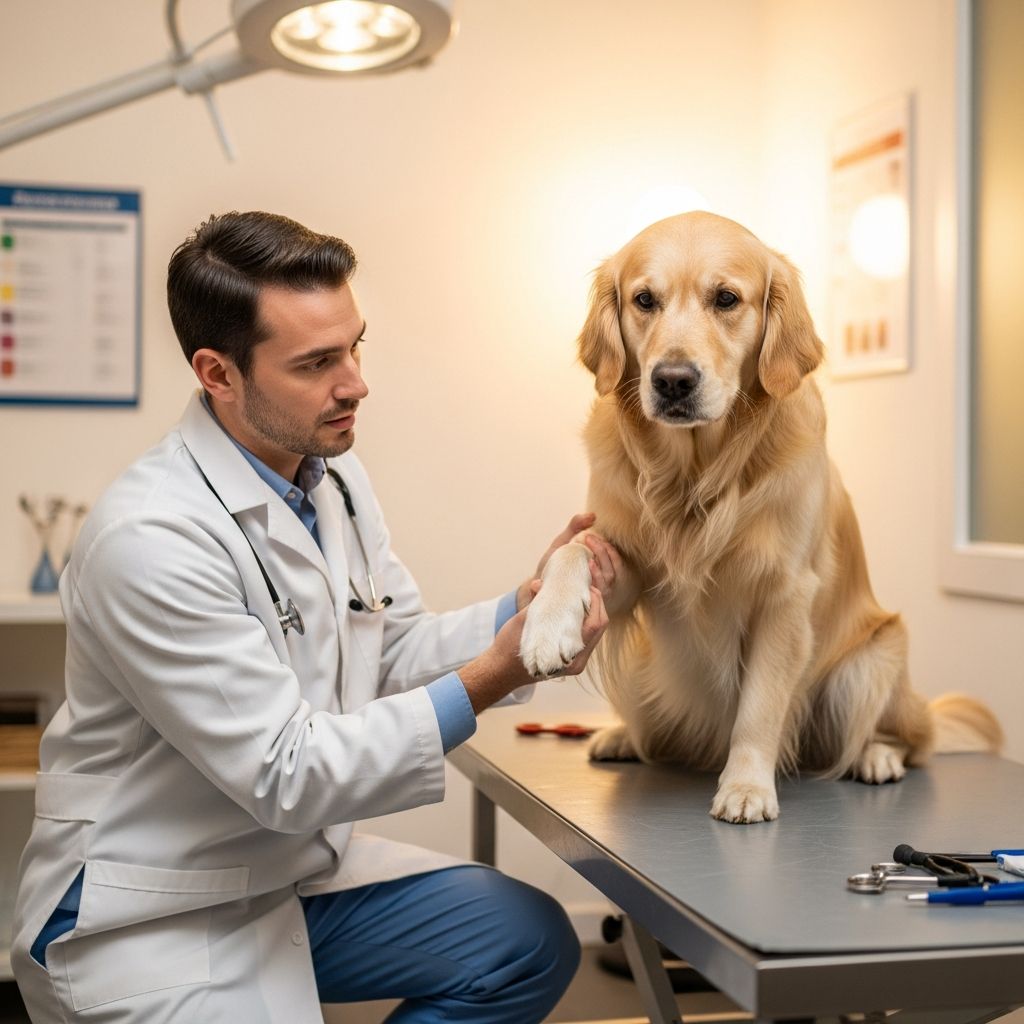
Observing your dog limp can be alarming, signaling anything from a minor paw irritation to a severe orthopedic issue. Prompt assessment helps distinguish between self-resolving problems and those needing professional intervention, ensuring your pet regains comfort swiftly.
Recognizing Signs of Lameness in Dogs
Limping, or lameness, appears as an uneven gait where a dog favors one leg, often lifting it intermittently or shortening strides. Watch for subtle cues like reluctance to jump, stiffness after rest, or paw licking. Severity ranges from mild toe-touching to non-weight-bearing, where the leg dangles completely.
- Mild limp: Dog bears some weight but moves cautiously.
- Moderate limp: Obvious favoring, slower pace, possible yelping.
- Severe limp: Refusal to use the leg, swelling, or heat in the area.
Accompanying symptoms like lethargy, fever, or appetite loss elevate urgency, potentially indicating infection or systemic disease.
Common Triggers Behind Canine Limping
Dogs limp for diverse reasons, broadly categorized into traumatic, developmental, degenerative, and infectious causes. Understanding these guides initial response.
Trauma and Acute Injuries
Sudden limps often stem from accidents during play, runs, or falls. Sprains, strains, fractures, or foreign objects like thorns puncture pads, causing immediate pain. Larger dogs risk cranial cruciate ligament (CCL) tears from twisting motions, while small breeds face luxating patella where the kneecap slips.
Joint and Bone Developmental Issues
Young, fast-growing large breeds develop panosteitis—inflammation along long bones—or osteochondritis dissecans (OCD), where cartilage fragments in shoulders disrupt joint function. Hip or elbow dysplasia, genetic misalignments, emerge as puppies mature, leading to chronic lameness if untreated.
Age-Related Degeneration
Older dogs commonly suffer osteoarthritis, eroding cartilage and causing stiffness, especially in mornings or post-rest. This mirrors human arthritis but progresses faster in active or overweight pets.
Infections and Systemic Conditions
Bacterial, fungal, or tick-borne illnesses like Lyme disease inflame joints, mimicking injury. Autoimmune polyarthritis or cancers affecting bones/soft tissues also provoke limping, often with multi-limb involvement.
| Cause Type | Examples | Common Breeds Affected | Onset |
|---|---|---|---|
| Trauma | Sprains, fractures, paw punctures | All breeds | Sudden |
| Developmental | OCD, panosteitis, dysplasia | Large breeds (Labs, Shepherds) | Young age |
| Degenerative | Osteoarthritis | Seniors, overweight dogs | Gradual |
| Infectious | Lyme, fungal joint infections | Outdoor/active dogs | Variable |
First Steps: Safe Home Assessment
Before rushing to the vet, safely evaluate at home to avoid worsening injury. Restrain gently using a leash or towel sling under the belly for stability.
- Observe gait from multiple angles without forcing movement.
- Examine the limb visually for swelling, cuts, or debris; compare to the opposite side.
- Palpate gently from toes to hip, noting pain reactions—stop if aggressive.
- Check nails, pads, and between toes for embedded objects; trim if overgrown.
For swelling, apply a cold compress wrapped in cloth for 10-15 minutes, 2-3 times daily to curb inflammation. Never give human pain meds like ibuprofen, as they are toxic to dogs.
When to Contact a Veterinarian Immediately
Not all limps resolve with rest; seek prompt care if:
- Limp lasts over 24-48 hours without improvement.
- Non-weight-bearing or dragging the leg.
- Visible injury, open wounds, or excessive swelling/heat.
- Multiple limbs affected or systemic signs (vomiting, fever >103°F).
- Puppy, senior, or breed prone to orthopedic issues.
Vets perform physical exams, possibly sedated for thorough palpation, plus X-rays, bloodwork, or ultrasounds to pinpoint issues like ligament tears or infections.
Professional Diagnosis Methods
Veterinary evaluation starts with history—recent activities, diet, breed—and orthopedic tests stressing joints for instability. Imaging confirms fractures, dysplasia, or tumors; joint fluid analysis detects infections. Advanced cases may need CT/MRI or specialist referral to orthopedists.
Treatment Strategies for Limping Dogs
Tailored to diagnosis, therapies range from conservative to surgical.
Conservative Management
Rest in a crate limits movement 1-4 weeks; NSAIDs like carprofen reduce pain/inflammation. Weight control via diet eases joint load—every pound lost halves hindlimb force.
Advanced Therapies
Cold laser therapy penetrates tissues, boosting cell repair and easing chronic pain. Physical therapy includes underwater treadmill, balancing exercises, and massage. Stem cells or platelet-rich plasma injections regenerate tissue in arthritis or tears.
Surgical Interventions
Fractures need pins/plates; CCL ruptures require TPLO or lateral sutures. OCD demands arthroscopy to remove fragments; patella luxation realignment prevents recurrence.
Supportive Aids
Braces stabilize joints; slings assist mobility; orthotics correct gait in severe cases.
Recovery timelines vary: minor sprains heal in days, surgeries take 8-12 weeks with rehab.
Preventing Future Limping Episodes
Proactive steps minimize risks:
- Maintain ideal weight through portion control and low-impact exercise like swimming.
- Supplements (glucosamine, omega-3s) support joint health from puppyhood.
- Regular vet checkups screen for early dysplasia via PennHIP X-rays.
- Use ramps for cars/beds; avoid high jumps on slippery floors.
- Tick preventives curb Lyme; inspect paws post-walks.
Frequently Asked Questions (FAQs)
Should I make my limping dog walk?
Limit activity to short leash walks for bathroom needs; discourage running/jumping until cleared by vet.
Can limping resolve without vet visit?
Mild cases from thorns or strains may improve in 24 hours with rest, but monitor closely.
Is limping always painful?
Yes, it indicates discomfort; neurological issues may lack overt pain but still need evaluation.
How much does CCL surgery cost?
Typically $3,000-$6,000 per knee, varying by location and complexity.
Can senior dogs recover from limping?
Many do with multimodal care including meds, therapy, and lifestyle adjustments.
Long-Term Management for Chronic Conditions
For arthritis or dysplasia, ongoing plans integrate daily NSAIDs, joint supplements, controlled exercise, and periodic laser/acupuncture. Monitor with annual orthopedic exams; adjust as mobility declines. Owners report improved quality of life, with dogs hiking years post-diagnosis.
Holistic options like acupuncture modulate pain signals; therapeutic ultrasound enhances circulation. Assistive devices evolve to custom prosthetics for amputees, enabling active lives.
References
- Dog Limping Causes & Treatments — Marlboro Animal Hospital. 2023. https://www.marlboroah.com/blog/the-limping-dog/
- Why Is My Dog Limping? — PetMD. 2024-10-15. https://www.petmd.com/dog/symptoms/why-is-my-dog-limping
- Causes of Limping in Dogs & How to Treat Limping — Guilford Jamestown Vet. 2024-02-15. https://www.guilfordjamestownvet.com/site/blog-greensboro-vet/2024/02/15/dog-limping
- Common Causes of Limping in Dogs — VetCheck for Pets. 2023. https://www.vetcheckforpets.com/blog/common-causes-of-limping-in-dogs
- Causes of Limping in Dogs and How to Treat — Bixby Animal Hospital. 2024. https://www.bixbyah.com/blog/1257885-causes-of-limping-in-dogs-and-how-to-treat
Similar Articles








Read full bio of Sneha Tete




