

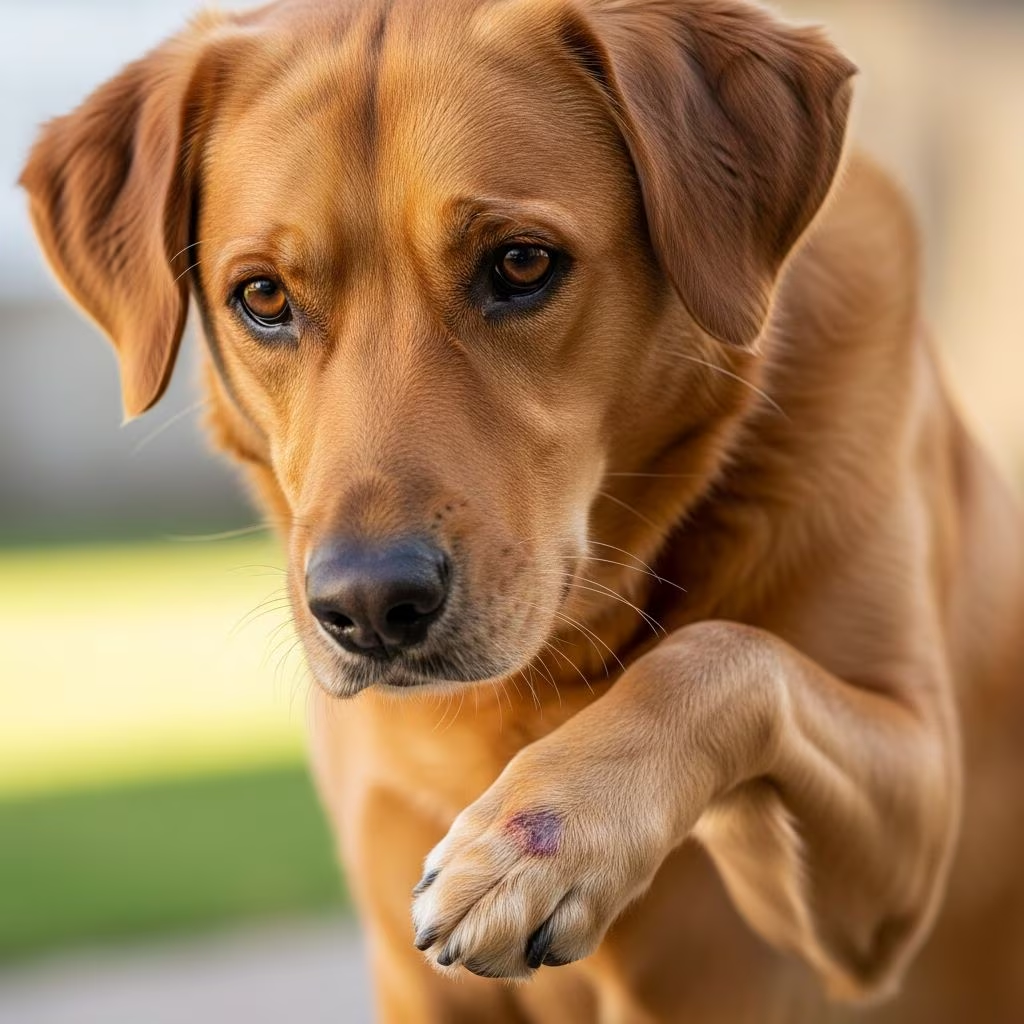
Dog limping, or lameness, is a common issue signaling pain or injury in one or more legs. Prompt assessment helps prevent worsening and restores mobility.
What to Do If Your Dog Is Limping
Observe your dog’s limp immediately: note if it’s sudden or gradual, which leg is affected, and accompanying symptoms like swelling or whining. Restrict activity to prevent further damage—use a crate or confined space. Check paws for obvious issues like cuts or thorns. Avoid forcing the leg to bear weight. If the limp persists beyond 24 hours, worsens, or includes fever, lethargy, or refusal to eat, contact a vet urgently.
- Examine safely: Gently inspect paws, legs, and joints without causing pain.
- Rest: Limit movement for 24-48 hours; no walks or play.
- Clean wounds: Rinse minor cuts with saline; do not use hydrogen peroxide.
- Monitor: Track improvement over hours.
For mild cases, home rest suffices, but professional diagnosis ensures underlying issues like fractures are ruled out.
Common Causes of Limping in Dogs
Limping stems from trauma, degeneration, infections, or neurological problems. Causes vary by onset: sudden often means injury; gradual suggests chronic disease.
Sudden Limping Causes
Sudden limps typically result from acute trauma during play or jumps.
- Paw injuries: Cuts, thorns, glass, or foxtails stuck in pads cause immediate pain.
- Sprains/strains: Twisted ankles or muscle pulls from roughhousing.
- Ligament tears: Cranial cruciate ligament (CCL) ruptures, akin to human ACL, common in active dogs.
- Fractures: Broken bones from falls or impacts, often with swelling and non-weight bearing.
- Insect stings/bites: Swelling from bee stings or spider bites leads to favoring a leg.
Gradual Limping Causes
Progressive limps indicate ongoing wear or disease, worsening with age or activity.
- Arthritis/osteoarthritis: Cartilage breakdown causes joint stiffness, common in seniors and large breeds.
- Hip/elbow dysplasia: Malformed joints lead to pain and instability.
- Luxating patella: Kneecap slips out, frequent in small breeds.
- Infections: Lyme disease or bacterial joint infections inflame tissues.
- Overexertion: Muscle soreness from excess exercise in unfit dogs.
Other Causes
- Neurological issues: Nerve damage or spinal problems cause dragging or weakness.
- Vascular conditions: Poor blood flow leads to intermittent lameness.
- Tumors or cysts: Rare, but growths can press on nerves or bones.
| Type | Examples | Common in | Onset |
|---|---|---|---|
| Trauma | Sprain, fracture, paw cut | All ages, active dogs | Sudden |
| Degenerative | Arthritis, dysplasia | Seniors, large breeds | Gradual |
| Infectious | Lyme, abscess | Tick-exposed areas | Variable |
When to See a Vet for Dog Limping
Seek immediate care for severe signs: non-weight bearing, multiple leg involvement, visible deformity, excessive swelling, open wounds, or systemic symptoms like vomiting. For mild limps, monitor 24 hours; persistent cases need exams including X-rays or bloodwork.
- Emergency: Crying in pain, pale gums, rapid breathing, or limp after trauma.
- Urgent (same day): Limp >48 hours, heat/swelling in joint, fever.
- Routine: Recurrent or gradual worsening.
Vets use physical exams, imaging, and labs to pinpoint causes accurately.
First Aid for Limping Dogs
Provide supportive care while awaiting vet advice. Never give human pain meds like ibuprofen—toxic to dogs.
- Rest and confinement: Crate or small room to limit jumping.
- Ice/heat therapy: Ice for 10-15 mins first 48 hours to reduce swelling; heat later for stiffness.
- E-collar: Prevent licking wounds.
- Bandaging: Light wrap for paw injuries; change daily.
If swelling occurs, elevate the leg gently. Hydrate and offer small meals.
Treatment Options for Limping Dogs
Treatments target the cause: conservative for mild, surgical for severe.
Medications
Vet-prescribed NSAIDs reduce pain/inflammation; antibiotics for infections.
Surgery
For fractures, CCL tears, or dysplasia: repairs, TPLO, or joint replacements.
Physical Therapy & Rehab
Strengthens muscles, improves mobility post-injury.
- Stretching, massage, hydrotherapy.
- Balance exercises on wobble boards.
Advanced Therapies
- Acupuncture: Pain relief via needles.
- Cold laser: Reduces inflammation.
- PEMF/TENS: Electromagnetic stimulation for healing.
- Ultrasound/shockwave: Promotes tissue repair.
- Hyperbaric oxygen: Enhances recovery.
Weight Management & Nutrition
Reduces joint stress; joint supplements like glucosamine aid arthritis.
Preventing Limping in Dogs
Maintain fitness: daily exercise suited to age/breed. Use tick preventives for Lyme. Regular vet checkups catch issues early. Support joints with ramps for seniors, proper diet.
- Weight control: Ideal body score 4-5/9.
- Warm-ups before play.
- Smooth surfaces for walks.
- Annual orthopedic screens for at-risk breeds.
Frequently Asked Questions (FAQs)
Why is my dog limping but not crying?
Dogs hide pain; limping indicates discomfort even without vocalizing. Monitor closely.
How long can a dog limp before seeing a vet?
24-48 hours for mild cases; immediate for severe.
Can I give my dog aspirin for limping?
No—risks toxicity. Use vet-approved meds only.
Is limping always a broken bone?
No, often softer tissue or joint issues.
Will my dog’s limp go away on its own?
Minor ones yes with rest; others need intervention.
References
- Why is my dog limping and how can I help them? — Mountain View Veterinary. 2024-05-15. https://www.mtviewvet.com/site/blog/2024/05/15/why-dog-limping
- Dog Limping: Possible Causes, Treatment & First Aid — UrgentVet. N/A. https://urgentvet.com/dog-limping-causes-treatment-first-aid/
- Causes of Limping in Dogs and How to Treat — Bixby Animal Hospital. N/A. https://www.bixbyah.com/blog/1257885-causes-of-limping-in-dogs-and-how-to-treat
- Why Is My Dog Suddenly Limping on Its Back Leg? — Saratoga Veterinary Hospital. N/A. https://saratogavethosp.com/blog/dog-suddenly-limping-on-back-leg/
- Common Causes of Limping in Dogs — VetCheck for Pets. N/A. https://www.vetcheckforpets.com/blog/common-causes-of-limping-in-dogs



