

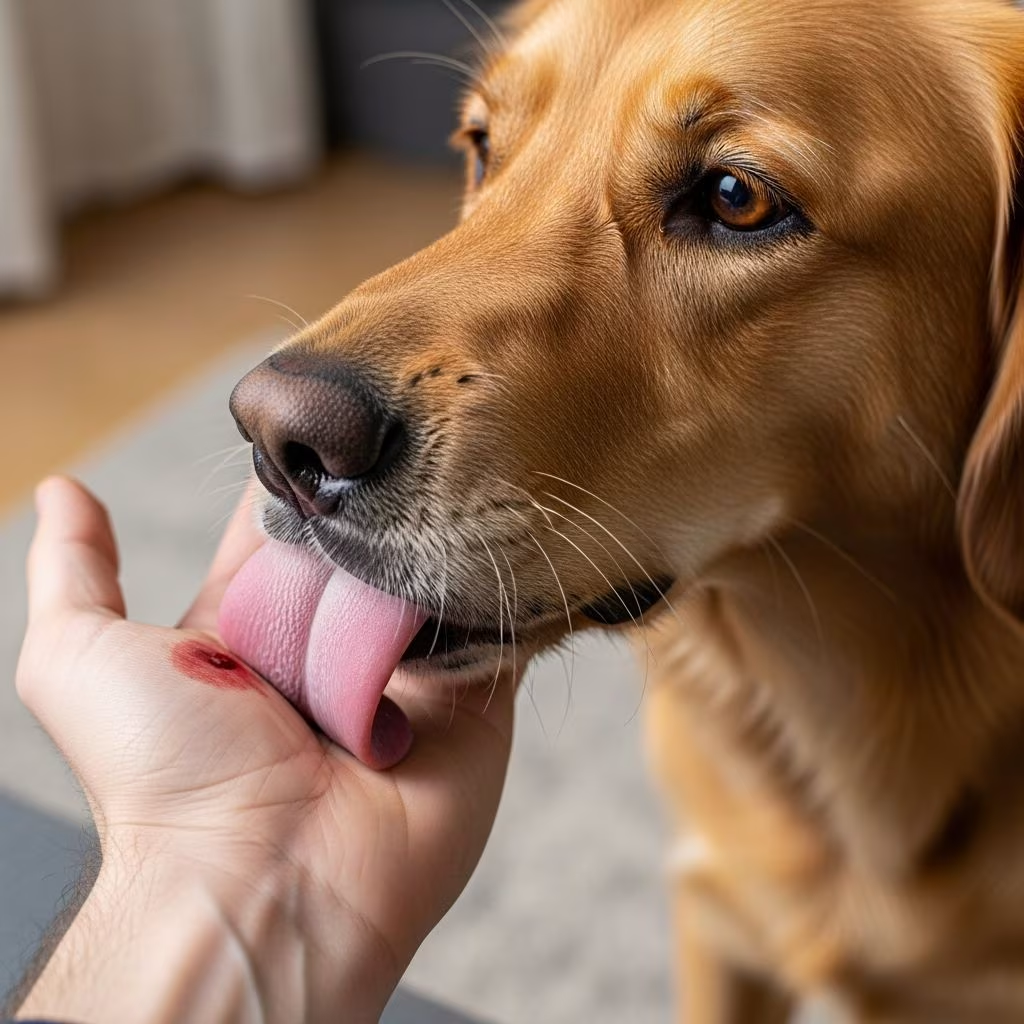
Dogs instinctively lick wounds due to their keen sense of smell detecting blood, but this behavior carries significant health risks for both humans and pets. While canine saliva has minor antibacterial properties, the dangers from bacteria in a dog’s mouth far outweigh any benefits when it contacts human blood or open injuries.
Understanding the Instinct Behind Dog Licking
Dogs view their owners as pack members, and blood’s metallic scent triggers grooming instincts honed from wild ancestors. This natural response aims to clean but ignores modern hygiene realities. Saliva contains enzymes like lysozyme with limited antimicrobial effects against certain bacteria, yet it harbors far more harmful microbes.
- Scent attraction: Iron in blood appeals to dogs’ olfactory systems, prompting investigation.
- Grooming heritage: Pack animals lick to remove debris, but human skin differs vastly.
- Over-licking harm: Excessive saliva introduces moisture fostering bacterial growth, delaying healing.
Preventing access to wounds remains crucial, as even brief contact poses threats.
Bacterial Threats in Canine Saliva
A dog’s mouth hosts diverse bacteria adapted to their biology, many pathogenic to humans. Key culprits include Capnocytophaga species, Pasteurella, and others thriving in wounds.
| Bacterium | Source in Dogs | Human Risk |
|---|---|---|
| Capnocytophaga canimorsus | Common oral flora | Sepsis, gangrene, amputation |
| Pasteurella spp. | Mouth and gums | Skin abscesses, septic shock |
| Streptococcus canis | Salivary glands | Wound infections, systemic spread |
These microbes enter via breaks in skin, multiplying rapidly in blood-rich environments.
Risks to Humans from Dog Saliva on Blood
The primary concern targets humans, especially vulnerable groups. Immunocompromised individuals face amplified dangers from routine interactions.
Capnocytophaga: The Silent Killer Bacterium
Capnocytophaga resides harmlessly in most dogs’ mouths but devastates humans lacking robust immunity. Entry through licked wounds triggers fulminant sepsis, where bacteria flood the bloodstream, causing organ failure. A documented case involved a man losing limbs, nose, and fingers after deliberate wound licking, mistaking it for healing aid.
- Progression speed: Symptoms emerge in 1-3 days, escalating to shock.
- Mortality factors: No spleen raises death risk 30-60%; alcohol abuse, age over 40 compound threats.
- Complications: Purpura fulminans (skin necrosis), meningitis, heart attacks.
Over 170 cases reported, with licks implicated in rare but severe instances.
Other Infections from Licking
Pasteurella causes deep-tissue invasions, leading to meningitis or multi-organ failure in susceptible people. Even healthy individuals risk cellulitis or abscesses if wounds are fresh.
High-risk populations include:
- Infants, elderly, pregnant women.
- Chemotherapy patients, HIV-positive individuals.
- Splenectomized persons, chronic alcoholics.
Potential Dangers to Dogs Licking Human Blood
While risks skew toward humans, dogs aren’t immune. Human blood may transmit pathogens if the person harbors illnesses.
- Zoonotic reversal: Influenza (H1N1, COVID-19), tuberculosis possible if owner infected.
- Respiratory illnesses: Limit contact during human sickness to protect pets.
- Low overall probability: Healthy humans pose minimal threat to robust canine immunity.
Veterinarians advise isolating sick owners from pets, avoiding saliva-blood mingling.
Myths About Saliva’s Healing Powers
Folklore praises animal saliva for wound care, but science debunks this for cross-species application. Canine saliva inhibits some E. coli strains, yet veterinary antiseptics vastly outperform it. Excessive licking erodes tissue, invites secondary infections.
- Limited benefits: Growth factors aid moisture but insufficient against pathogens.
- Human saliva superior? No—professional cleaning essential.
- Dog self-care: Discourage excessive wound licking even on pets.
Safe Wound Management Practices
Prioritize proper care over instinctual behaviors. Clean injuries immediately with soap, water, antiseptics.
- Cover wounds with sterile bandages before pet interaction.
- Train dogs with commands like “leave it” using positive reinforcement.
- Supervise closely post-injury; distract with toys.
- Seek medical/vet advice for deep cuts or illness.
For pets: Use Elizabethan collars to prevent self-licking.
Recognizing Infection Warning Signs
Monitor for rapid deterioration post-exposure.
| Early Symptoms | Severe Indicators | Action Needed |
|---|---|---|
| Fever, chills | Low blood pressure, confusion | ER immediately |
| Redness, swelling | Blackened skin, organ pain | Antibiotics, surgery |
| Fatigue | Multi-organ failure | Hospitalization |
Prompt antibiotics like beta-lactams combat Capnocytophaga effectively if caught early.
Prevention Strategies for Pet Households
Minimize risks through hygiene protocols.
- Hand hygiene: Wash before/after pet contact.
- Regular vet checkups: Dental cleanings reduce bacterial load.
- Immunization awareness: Splenectomized owners inform doctors of pet exposure.
- Education: Share risks with family, especially vulnerable members.
FAQs
Is it safe for healthy people if a dog licks a minor cut?
Low risk for robust adults, but cover wounds anyway to prevent complications.
Can dog saliva ever help heal wounds?
Negligible benefits outweighed by infection risks; use medical treatments.
What if my dog licks my blood after surgery?
Increased danger—keep pets away, monitor for fever.
How common are Capnocytophaga infections from licks?
Rare, but devastating in at-risk groups; awareness saves lives.
Should I worry if my immunocompromised relative has a dog?
Yes—extra precautions like no face-licking, wound isolation essential.
Expert Insights on Long-Term Pet Safety
Veterinary and medical consensus urges vigilance without fear-mongering. Millions coexist safely with dogs by respecting microbial boundaries. Balanced ownership integrates love with science-based precautions, ensuring joyful, healthy bonds.
Maintain dental health in pets via brushing, professional cleanings biannually. Humans: Boost immunity through diet, vaccinations. In shared spaces, boundaries preserve well-being.
References
- What Could Happen If My Dog Licks Human Blood? Vet-Reviewed — Hepper. 2023. https://articles.hepper.com/what-happens-if-dog-licks-human-blood/
- A small ‘lick’ will sink a great ship: fulminant septicaemia after dog saliva wound contamination — PMC (Wiley). 2021-03-01. https://pmc.ncbi.nlm.nih.gov/articles/PMC7950179/
- What is Capnocytophaga? How an innocent dog lick can trigger a fatal infection — Live Science. 2023. https://www.livescience.com/health/viruses-infections-disease/what-is-capnocytophaga-how-an-innocent-dog-lick-can-trigger-a-fatal-infection
- About Capnocytophaga — CDC. 2024. https://www.cdc.gov/capnocytophaga/about/index.html



