

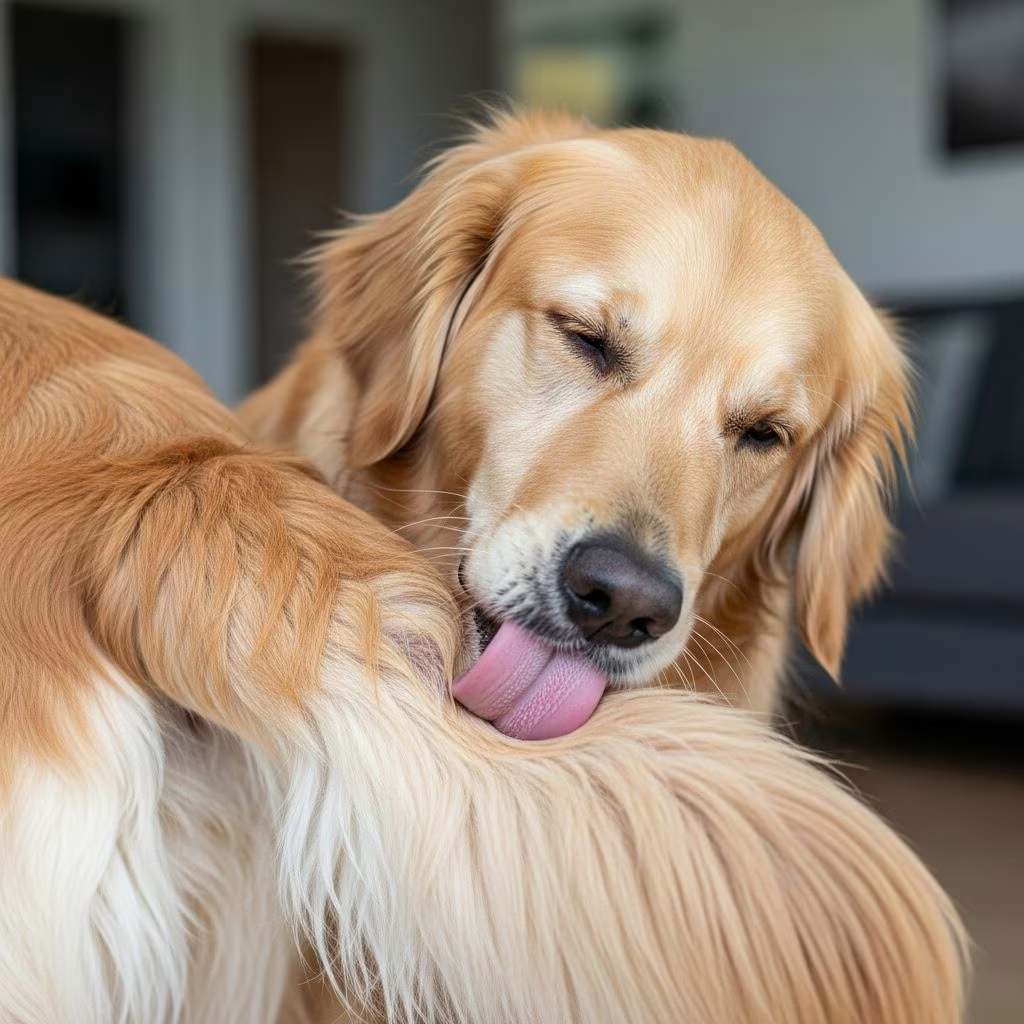
Observing your dog repeatedly licking or chewing the area near the base of their tail can be concerning for pet owners. This behavior typically points to underlying irritation or discomfort rather than mere grooming. Common triggers include issues with anal glands, parasitic infestations, allergic reactions, and skin conditions. Prompt identification and intervention are key to alleviating your dog’s distress and preventing complications like infections or hair loss.
Understanding Normal vs. Excessive Licking Behavior
Dogs naturally lick various body parts as part of their grooming routine to maintain cleanliness and distribute natural oils across their coat. However, when licking concentrates on the perianal region—specifically around the tail base—and becomes obsessive, it signals a problem. Signs of excess include red, inflamed skin, hair loss (alopecia), scooting on the floor, or whining during the activity. These symptoms warrant a closer inspection and potentially professional veterinary care.
Environmental factors like seasonal changes can exacerbate licking, but persistent cases often stem from physiological issues. Early detection through regular checks can prevent minor irritations from escalating into chronic conditions.
Primary Culprits: Anal Gland Disorders
Anal glands, small sacs positioned on either side of the anus (at roughly the 4 and 8 o’clock positions), produce a pungent fluid used for scent marking. Normally, these glands empty during defecation. When they fail to express naturally, fluid buildup causes pressure, leading to intense licking as dogs attempt self-relief.
- Impaction: Glands become blocked with thick secretions, causing discomfort. Manual expression by a groomer or vet provides immediate relief.
- Inflammation (Anal Sacculitis): Swelling due to bacterial overgrowth or allergies results in pain and leakage of foul-smelling discharge.
- Infection: Untreated inflammation can lead to abscesses, requiring antibiotics, flushing, and warm soaks.
For breeds prone to this issue, such as small dogs or those with soft stools, routine gland maintenance every 4-6 weeks is advisable. Dietary adjustments, like high-fiber foods, promote firmer stools to aid natural expression.
Allergic Reactions Triggering Rear-End Itchiness
Allergies rank among the top reasons for localized licking near the tail. These hypersensitivities provoke intense itching (pruritus), prompting dogs to lick for soothing saliva’s mild analgesic properties.
| Allergy Type | Symptoms | Tail Base Connection |
|---|---|---|
| Flea Allergy Dermatitis (FAD) | Intense itching, red bumps, flea dirt | Fleas congregate here; saliva triggers reaction |
| Food Allergy | Chronic itching, ear infections, GI upset | Often manifests in perianal area |
| Environmental (Atopic Dermatitis) | Seasonal paw/ear licking, hot spots | Secondary irritation spreads to hindquarters |
FAD is particularly notorious, as even a single flea bite can spark weeks of misery in sensitive dogs. Comprehensive flea control targeting the pet, home, and yard is essential. Food trials using hydrolyzed protein diets for 8-12 weeks help pinpoint dietary culprits like beef, dairy, or grains.
Parasitic Infestations: External and Internal Threats
Parasites irritate the skin and anal region, driving licking behaviors. External pests like fleas thrive in warm, tail-base fur, laying eggs and causing dermatitis. Ticks and mites burrow, exacerbating the itch-lick cycle.
Internally, tapeworms (visible as rice-like segments in feces) and other worms provoke scooting and licking as segments emerge from the anus. Regular deworming and broad-spectrum preventives safeguard against these invaders.
- Check for flea dirt (black specks turning red with water).
- Inspect feces for worm segments.
- Use vet-recommended topicals/orals for prevention.
Skin and Soft Tissue Problems
Beyond allergies, bacterial or yeast overgrowth leads to moist dermatitis (hot spots) or folliculitis. Perianal fistulas, common in German Shepherds, form ulcerated tracts requiring surgical intervention. Tumors, though rare, demand biopsy for confirmation.
Trauma from excessive licking creates secondary infections, forming a vicious cycle. Clipping hair, cleaning with antiseptic, and medicated shampoos break this pattern.
Less Common but Serious Contributors
Other factors include:
- Urinary Tract Infections (UTIs): Bacteria ascend the urethra, causing referred discomfort to the rear.
- Orthopedic Pain: Hip dysplasia or tail injuries make licking a displacement behavior.
- Behavioral Issues: Anxiety or boredom manifests as compulsive licking; enrichment toys help.
- Hormonal Imbalances: Hypothyroidism leads to skin changes and itching.
Systemic diseases like inflammatory bowel disease (IBD) indirectly cause rear licking via diarrhea irritating the area.
Step-by-Step Home Assessment Guide
- Visual Exam: Part the fur; note redness, swelling, discharge, or parasites.
- Flea Check: Comb thoroughly; treat if found.
- Stool Inspection: Look for worms or mucus.
- Grooming Trial: Bathe with hypoallergenic shampoo.
- Diet Log: Track intake for potential allergens.
If symptoms persist beyond 48 hours or worsen, consult a vet immediately to avoid complications like ruptured glands.
Veterinary Diagnosis and Treatment Options
A thorough exam includes anal gland expression, skin scrapes, cytology, and allergy testing. Treatments vary:
- Antibiotics for infections.
- Steroids or apoquel for allergies.
- Flushing and infusion for glands.
- Surgery for fistulas or tumors.
Follow-up ensures resolution; recurrence may indicate underlying allergies needing long-term management.
Prevention Strategies for a Lick-Free Life
Proactive measures minimize risks:
- Year-round parasite preventives.
- High-quality, novel-protein diet.
- Regular grooming and baths.
- Fiber supplements (pumpkin) for stool bulk.
- Environmental hypoallergenics (air filters).
Monitor weight and mobility to catch orthopedic issues early.
FAQs: Common Questions Answered
Is occasional tail-base licking normal?
Yes, briefly after defecation. Excess (daily, intense) is not.
How do I know if it’s anal glands?
Fishy odor, scooting, hard glands on palpation.
Can diet alone fix allergies?
Not always; combine with meds and environmental control.
When is emergency vet care needed?
Bleeding, swelling, lethargy, or refusal to eat.
Are certain breeds more prone?
Yes, small breeds (glands), Bulldogs (fistulas), Labs (allergies).
Long-Term Management and Monitoring
Chronic cases benefit from allergy immunotherapy or prescription diets. Track symptoms in a journal for vet discussions. Annual wellness exams catch subclinical issues. With diligence, most dogs enjoy itch-free lives, strengthening the owner-pet bond.
This comprehensive approach empowers owners to address licking promptly, enhancing pet health and happiness.
References
- Why Your Dog is Licking Their Back Near the Tail — Whole Dog Journal. 2023-10-15. https://www.whole-dog-journal.com/health/why-your-dog-is-licking-their-back-near-the-tail/
- Why Do Dogs Lick Their Butts? — American Kennel Club (AKC). 2024-05-20. https://www.akc.org/expert-advice/health/why-dogs-lick-their-butts/
- 7 Reasons Why Your Dog Keeps Licking the Base of Their Tail — Bored Panda. 2023-08-12. https://www.boredpanda.com/why-your-dog-keeps-licking-the-base-of-their-tail/
- Excessive Licking, Chewing, and Grooming in Dogs — PetMD. 2025-02-10. https://www.petmd.com/dog/general-health/excessive-licking-chewing-and-grooming-dogs
- Why Does My Dog Keep Licking His Bum and Tail? — Odie Pet Insurance Blog. 2024-11-05. https://getodie.com/blog/why-does-my-dog-keep-licking-his-bum-and-tail/
- Why Is My Dog Licking His Butt? — MetLife Pet Insurance. 2024-07-18. https://www.metlifepetinsurance.com/blog/pet-health/why-is-my-dog-licking-his-bum/



