

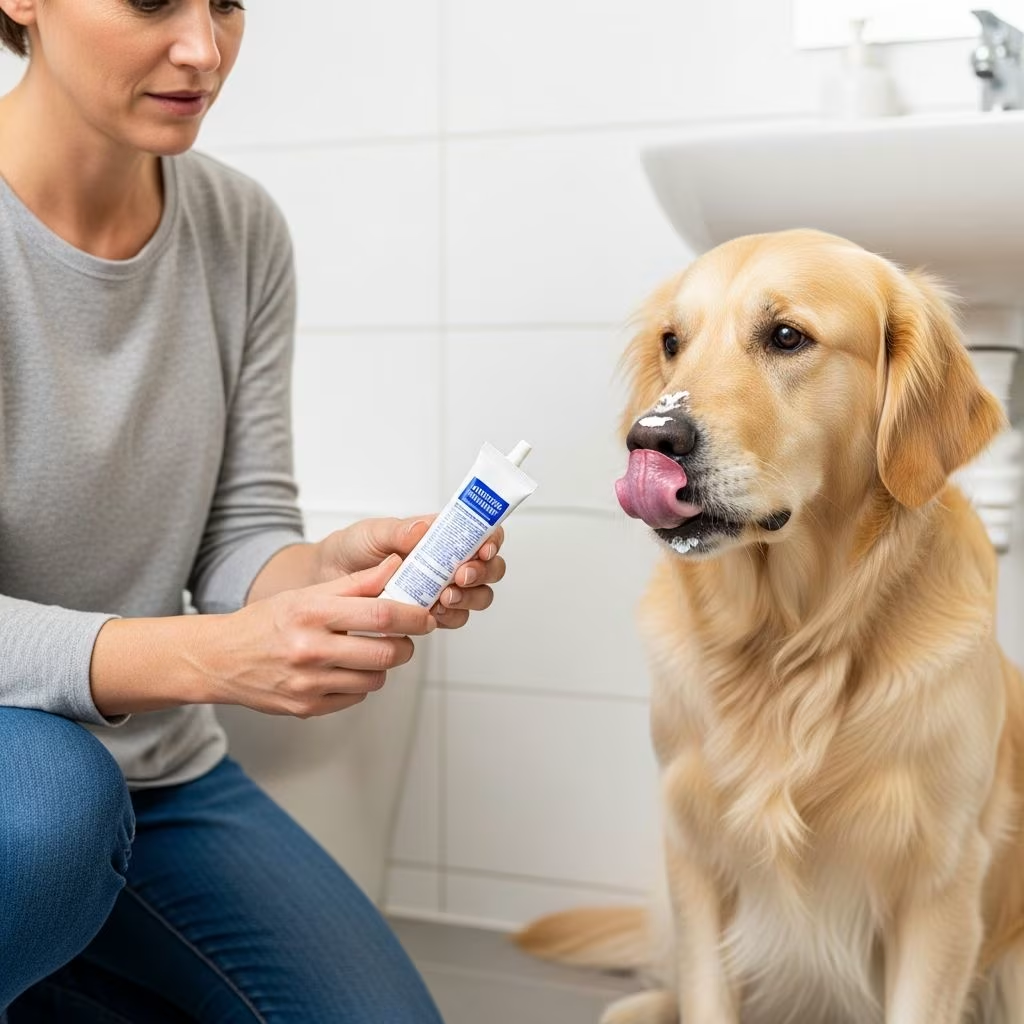
Triple antibiotic ointments, such as those containing bacitracin, neomycin, and polymyxin B, serve as common first-aid staples for minor cuts and scrapes in humans. Pet owners often reach for these products to treat their dog’s superficial wounds, but a frequent challenge arises: dogs instinctively lick the applied area. While small amounts licked off the skin pose minimal risk, understanding the implications, symptoms, and preventive measures ensures your pet’s safety and allows the ointment to work effectively.
Understanding Triple Antibiotic Ointments and Canine Physiology
These ointments combine three antibiotics to combat bacterial growth on the skin. Bacitracin targets gram-positive bacteria, neomycin addresses a broader spectrum including gram-negative strains, and polymyxin B specifically fights gram-negative organisms. Formulated for topical human use, they create a barrier against infection in minor injuries.
Dogs, however, possess unique digestive systems. Their gut microbiome—trillions of beneficial bacteria aiding digestion and immunity—can face disruption from ingested antibiotics not suited for oral consumption. The ointment’s petroleum-based carrier may also act as a laxative, exacerbating issues. Topical application remains safe for dogs in sparse amounts, but ingestion shifts the dynamic.
Immediate Steps After a Minor Lick Incident
If your dog gives the wound a quick lick shortly after application, alarm is typically unwarranted. The quantity absorbed is negligible, unlikely to cause systemic effects. Clean the area gently with mild soap and water, pat dry, reapply a thin layer of ointment, and implement barriers to further licking.
- Wipe away residue without harsh scrubbing to avoid irritating the wound.
- Monitor behavior for 24-48 hours for any unusual signs.
- Avoid over-application; a pea-sized amount suffices for most small wounds.
Reapplication ensures continued protection, but prevention is key to efficacy. Dogs lick wounds as a natural self-soothing behavior rooted in ancestral grooming instincts, so anticipate and counter it proactively.
Risks of Larger Ingestions: When to Worry
Concerns escalate if your dog accesses the tube and consumes substantial amounts. Ingesting entire tubes risks not only antibiotic overload but physical blockages from the plastic or foil packaging. High doses overwhelm the liver and kidneys, which metabolize these compounds differently in canines.
Gut flora imbalance, known as dysbiosis, manifests as digestive turmoil. The lubricant base can trigger loose stools independently. Neomycin, in particular, carries risks of hypersensitivity reactions upon absorption.
| Ingestion Amount | Likely Outcome | Action Required |
|---|---|---|
| Small lick from wound | Minimal to none | Observe and prevent re-licking |
| Multiple licks or partial tube | Mild GI upset possible | Monitor symptoms; contact vet if persistent |
| Full tube or large quantity | Severe symptoms, blockage risk | Emergency vet visit immediately |
Recognizing Symptoms of Antibiotic Ointment Ingestion
Vigilance for clinical signs helps differentiate benign licks from problematic exposures. Symptoms vary by dose and individual sensitivity, appearing within hours to a day.
- Gastrointestinal Distress: Vomiting, diarrhea (often greasy or discolored), loss of appetite—these stem from microbiome disruption and the ointment’s oily base.
- Neurological Signs: Excessive drooling, tremors, or seizures indicate severe toxicity, rare but critical.
- Dermatological Reactions: Skin lesions, redness, or itching at the site or systemically, possibly allergic.
Track symptom onset, frequency, and severity. Dehydration from protracted vomiting or diarrhea poses secondary dangers, especially in puppies, seniors, or small breeds.
Prevention Strategies for Effective Wound Management
Proactive measures preserve ointment contact time, promoting faster healing and averting complications like abscesses.
Physical Barriers
Elizabethan collars (e-collar or cone) remain gold standards, extending the snout beyond reach. Modern designs offer comfort with soft edges and transparency for reduced stress.
- Introduce gradually with positive reinforcement like treats.
- Combine with distractions such as puzzle toys post-application.
Alternative Deterrents
Muzzles allow breathing and panting while blocking licks—ideal for short-term use. Bandages or booties suit limbs; T-shirts cover torsos. Vet-recommended bitter sprays add distaste without toxicity.
Timing and Distraction Techniques
Apply ointment during mealtimes or play sessions. Tire your dog with exercise beforehand to curb curiosity. Store tubes securely in locked cabinets, far from prying paws.
Veterinary Interventions and When to Seek Help
For minor incidents, home monitoring suffices. Escalate if symptoms persist beyond 24 hours, worsen, or involve neurological changes. Provide your vet with details: product name, estimated amount ingested, time elapsed, and symptom timeline.
Treatments may include:
- Induced emesis for recent ingestions.
- Activated charcoal to bind toxins.
- IV fluids for hydration.
- Probiotics to restore gut balance.
- Anti-emetics or antidiarrheals for symptom relief.
In tube ingestion cases, radiographs detect blockages. The Pet Poison Helpline (855-764-7661) offers preliminary guidance, though fees apply; it’s not a substitute for professional care.
Safe Alternatives to Human Antibiotic Ointments
Veterinarians often advise against routine Neosporin use due to risks. Opt for pet-specific products like silver sulfadiazine creams or muscloskeletal gels sans neomycin. Natural options—manuka honey, chlorhexidine washes—provide antibacterial benefits with lower ingestion risks.
Consult for prescription topicals if wounds show pus, swelling, or fail to improve in 48 hours, signaling deeper infections requiring oral antibiotics.
Long-Term Wound Care Best Practices
Prevention underpins success. Clip fur around wounds for better access, but avoid razors on intact skin. Clean daily with saline or vet-approved antiseptics. Promote healing via nutrition: omega-3 supplements bolster skin repair.
Regular health checks catch underlying issues like allergies prompting self-trauma.
Frequently Asked Questions (FAQs)
Is triple antibiotic ointment toxic to dogs?
Small topical amounts aren’t toxic, but ingestion can cause GI upset; large quantities warrant vet attention.
How much is too much for my dog to lick?
A single lick off a wound is safe; tube contents or repeated access isn’t—call poison control.
Can I use Neosporin on my dog’s hot spot?
Sparingly yes, but prevent licking and monitor for irritation; vet alternatives preferred.
What if my puppy licked the ointment?
Puppies metabolize differently; err toward caution and consult a vet promptly.
How long should my dog wear a cone?
Until the wound scabs and heals, typically 5-10 days; remove periodically for acclimation.
Key Takeaways for Pet Owners
Empower yourself with knowledge: minor licks demand prevention over panic, while major ingestions require swift action. Prioritize barriers, monitor diligently, and lean on veterinary expertise for tailored care. This approach safeguards your dog’s health amid everyday scrapes.
References
- What Should I Do If My Dog Licked Triple Antibiotic Ointment? — Hepper. 2023. https://articles.hepper.com/what-should-i-do-if-my-dog-licked-triple-antibiotic-ointment/
- My Dog Licked Triple Antibiotic Ointment! Vet-Approved Advice — Dogster. 2023. https://www.dogster.com/dog-health-care/my-dog-licked-triple-antibiotic-ointment
- Can You Put Neosporin on a Dog? — Animal Family Veterinary Care. 2024. https://animalfamilyveterinarycare.com/blog/can-you-put-neosporin-on-a-dog/
- Neosporin for Dogs: Uses, Side Effects, and More — GoodRx. 2025-01-15. https://www.goodrx.com/pet-health/dog/neosporin-for-dogs
- Neosporin for Dogs: Uses, Side Effects, and Alternatives — American Kennel Club. 2024. https://www.akc.org/expert-advice/health/neosporin-for-dogs/
- Can You Use Neosporin On Dogs? Benefits, Risks, & More — Vetnique. 2023. https://vetnique.com/blogs/vets-corner/can-you-use-neosporin-on-dogs-vetnique
- My Dog Ate Neosporin Is It Safe — Pet Poison Helpline. 2024. https://www.petpoisonhelpline.com/pet-tips/my-dog-ate-neosporin-is-it-safe/



