

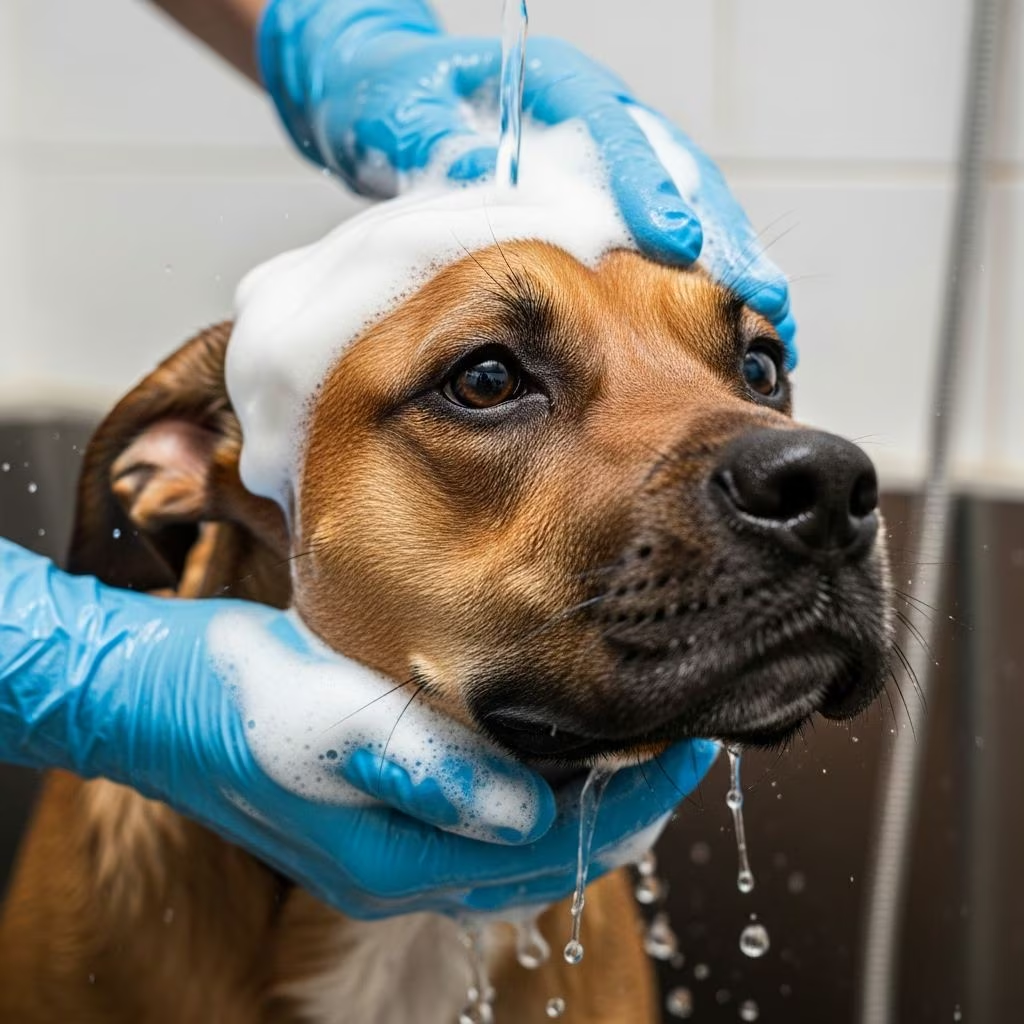
Dog lice represent a common yet manageable parasitic issue that causes discomfort through itching and irritation. Specialized shampoos formulated with insecticides like pyrethrins or fipronil offer reliable elimination of these pests, often combined with manual removal and environmental cleaning for complete success.
Understanding Canine Lice Infestations
Lice on dogs are small, wingless insects that live exclusively on the host, feeding on skin debris and blood in severe cases. Unlike fleas, they do not jump but crawl, spreading primarily through direct contact with infested animals. Two main species affect dogs: the biting louse Trichodectes canis and the sucking louse Linognathus setosus, both leading to symptoms like intense scratching, hair loss, dull coat, and visible crawling insects or nits attached to hair shafts.
These parasites thrive in crowded or unsanitary conditions, often targeting puppies, strays, or dogs with weakened immunity. While not zoonotic—meaning they do not transfer to humans—they can transmit tapeworms if ingested during grooming. Early detection prevents secondary issues like bacterial skin infections from constant scratching.
Spotting the Signs of Lice in Dogs
Owners may first notice excessive biting or rubbing against furniture. Parting the fur reveals tiny (1-2 mm), pale or yellowish lice moving slowly, alongside white egg clusters glued to hairs near the skin. Affected areas include the neck, back, tail base, and groin. In heavy infestations, anemia and weight loss occur due to blood-feeding lice.
- **Mild cases:** Localized itching and dandruff-like flakes (actually nits).
- **Moderate cases:** Patchy hair loss and scabs from self-trauma.
- **Severe cases:** Matted fur, lethargy, and skin pallor.
A fine-tooth flea comb dipped in soapy water confirms presence by trapping lice and eggs.
Top Ingredients in Dog Lice Shampoos
Effective shampoos target adult lice, nymphs, and eggs through contact-killing agents. Key active ingredients include:
| Ingredient | How It Works | Safety Notes |
|---|---|---|
| Pyrethrins/Pyrethroids | Disrupts nervous system of insects, killing on contact | Derived from chrysanthemum flowers; safe for dogs but toxic to cats |
| Fipronil | Blocks GABA receptors in parasites | Spot-on or shampoo; effective against lice and fleas |
| Imidacloprid/Selamectin | Nerve poison specific to invertebrates | Monthly preventatives also kill lice; vet-approved for multi-pet homes |
| d-Limonene | Citrus extract suffocates and repels | Natural, non-toxic option for sensitive skin |
Pyrethrin-based formulas like those in protein-lanolin enriched shampoos clean while conditioning, leaving coats shiny and free of residues. Always select dog-specific products to avoid toxicity.
Step-by-Step Shampoo Treatment Protocol
Thorough bathing disrupts the lice lifecycle, but repetition is essential since eggs hatch in 7-14 days.
- Wet the coat thoroughly with warm water, focusing on infested areas.
- Apply shampoo generously, lather for 5-10 minutes to ensure penetration.
- Massage into skin, avoiding eyes and mouth.
- Rinse completely to prevent irritation; repeat every 3-7 days for 4 weeks.
- Comb out nits post-bath with a flea comb immersed in insecticide solution.
For matted fur, clip affected areas first to expose lice. Combine with topical spot-ons like selamectin for residual protection.
Natural Remedies and Home Solutions
When preferring chemical-free options, virgin coconut oil shampoos show high efficacy against lice, ticks, and fleas. An 80% concentration suffocates parasites while moisturizing skin. Other supportive remedies include:
- Coconut, neem, or olive oil soaks (leave on 10 minutes before rinsing) to loosen nits.
- Baking soda or boric acid powders on bedding to dehydrate eggs.
- Diluted apple cider vinegar rinses as a repellent.
These complement but rarely replace medicated shampoos in heavy infestations. Veterinary guidance ensures safety, especially for nursing mothers or puppies.
Environmental Control to Prevent Reinfestation
Lice survive off-host briefly (48 hours), necessitating home sanitation.
- Wash all bedding, toys, and collars in hot water (>140°F).
- Vacuum carpets, furniture daily; dispose of bags immediately.
- Spray premises with fipronil-labeled products.
- Isolate infested dogs from others for 4 weeks.
- Treat all household pets simultaneously.
Outdoor areas require yard treatments if dogs access yards or kennels.
Choosing the Right Shampoo for Your Dog
Consider breed, age, skin sensitivity, and co-infections (e.g., fleas). Puppies under 12 weeks need mild pyrethrin formulas; herding breeds may react to permethrins. Multi-pet homes prioritize cat-safe options. Test a small patch first for allergies.
| Dog Profile | Recommended Shampoo Type |
|---|---|
| Sensitive skin/puppies | d-Limonene or low-pyrethrin |
| Heavy infestation | Fipronil or imidacloprid combo |
| Long-haired breeds | Conditioning pyrethrin with combing |
| Multi-pet household | Selamectin spot-on + mild shampoo |
Consult vets for prescription-strength options like fluralaner if resistance occurs.
Common Mistakes and How to Avoid Them
Partial treatments lead to cycles: skipping rinses causes dermatitis; ignoring environments reinfests. Overuse of topicals risks toxicity—space treatments per labels. Never use cat or livestock products on dogs. Persistence over 4-6 weeks, with weekly checks, ensures eradication.
Prevention Strategies for Lice-Free Dogs
Monthly flea/tick preventatives (fipronil, selamectin) provide ongoing lice control. Regular grooming, nutrition for strong immunity, and avoiding stray contact minimize risks. Quarantine new pets for 2 weeks.
Frequently Asked Questions (FAQs)
Can dog lice affect humans?
No, dog lice are species-specific and cannot infest people.
How long does shampoo treatment take to work?
Adults die within hours, but repeat every 7 days for 4 weeks to hatch eggs.
Is coconut oil effective against dog lice?
Yes, high-concentration virgin coconut oil shampoos kill lice effectively.
What if shampoo doesn’t clear the infestation?
Clip mats, use vet-prescribed topicals, and sanitize home thoroughly.
Are lice shampoos safe for puppies?
Select mild formulas and follow age guidelines; vet approval recommended.
This guide empowers owners to tackle lice confidently. Monitor progress and seek professional help for persistent cases to safeguard pet health.
References
- Flea & Tick Shampoo for Dogs – Bio-Groom — Bio-Groom. Accessed 2026. https://biogroom.com/product/flea-tick-shampoo-for-dogs/
- How to Clean a Dog With Lice — WagWalking. Accessed 2026. https://wagwalking.com/grooming/clean-dog-lice
- Lice on Dogs: Signs, Symptoms, Treatments — American Kennel Club. Accessed 2026. https://www.akc.org/expert-advice/health/lice-on-dogs/
- Lice in Dogs and Cats — Merck Veterinary Manual. Accessed 2026. https://www.merckvetmanual.com/integumentary-system/lice/lice-in-dogs-and-cats
- Ectoparasiticidal effect of virgin coconut oil shampoo — CABI Digital Library. 2015. https://www.cabidigitallibrary.org/doi/full/10.5555/20153029920



