

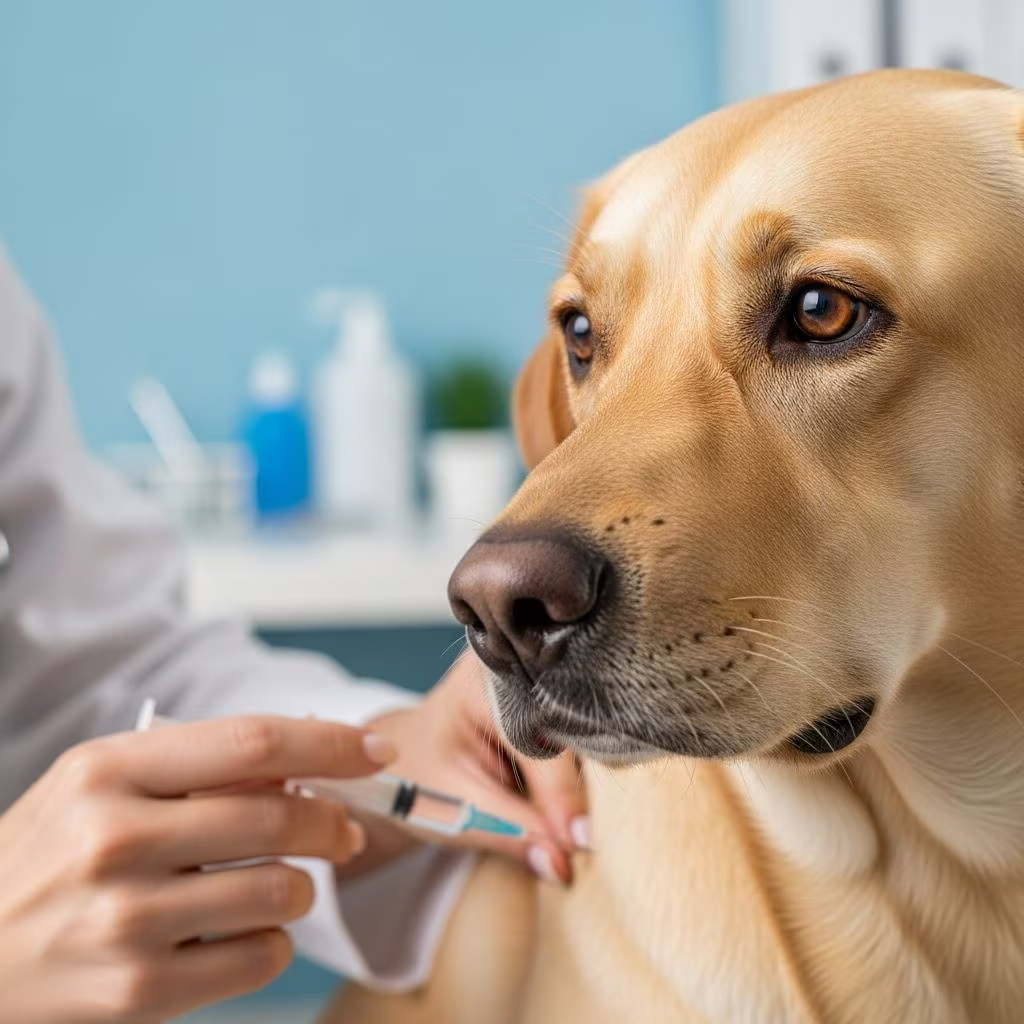
Understanding the Lepto Vaccine for Dogs
The leptospirosis vaccine, commonly known as the lepto vaccine, is an essential immunization that protects dogs from a serious bacterial disease. Leptospirosis is caused by Leptospira bacteria, which spreads through infected urine and is commonly found in contaminated soil, water, and food sources. This disease poses a significant health risk to dogs of all breeds and sizes, making vaccination a critical component of responsible pet ownership.
The lepto vaccine has become increasingly important in recent years as cases of leptospirosis have been reported across the United States, including in urban areas such as New York City. The American Animal Hospital Association (AAHA) officially added leptospirosis vaccination to the core vaccine list for dogs in 2024, recognizing its importance in protecting canine health.
What is Leptospirosis and Why Should Your Dog Be Protected?
Leptospirosis is a bacterial infection that affects both dogs and humans, though animal-to-human transmission is less common. Dogs typically contract the disease by coming into contact with contaminated water sources or soil where infected animals have urinated. The bacteria can survive in these environments for extended periods, creating ongoing exposure risks.
Your dog can be infected with leptospirosis anywhere that domestic, wild, or farm animals carrying Leptospira bacteria might be present. Dogs that engage in the following activities face elevated risk:
– Interact frequently with other dogs who may carry Leptospira– Drink from ponds, lakes, rivers, or streams- Live in rural areas or on properties with farm animals- Have access to backyards where wild animals such as raccoons, opossums, skunks, squirrels, and deer roam- Come into contact with rodents like mice or rats
Symptoms of Leptospirosis in Dogs
If your dog contracts leptospirosis, early symptoms may include stomach pain, muscle pain, stiffness, and severe weakness. However, the disease can progress to more serious conditions if left untreated. Potential complications include kidney failure, bleeding disorders, hepatitis, and eye inflammation. These severe manifestations demonstrate why prevention through vaccination is far preferable to treating an active infection.
Early detection and antibiotic treatment can improve recovery chances, though treatment often involves more than a simple antibiotic course. Dogs with leptospirosis frequently require a minimum of 14 days of antibiotics and may need additional treatments due to hepatic and renal involvement, making prevention through vaccination the most effective approach.
Is the Lepto Vaccine Necessary for Your Dog?
Yes, the lepto vaccine is considered a core vaccine by the AAHA, meaning it is recommended for all dogs. Core vaccines are the foundation of canine health protection and should be part of every dog’s vaccination routine regardless of lifestyle or living situation.
While some dog owners may believe their dogs don’t need the lepto vaccine due to limited outdoor exposure, research shows that even small breed dogs and dogs living in urban environments frequently contract leptospirosis. The disease is not limited to rural areas or dogs with extensive outdoor access. Any dog that spends time outdoors, even for basic bathroom breaks in the backyard, faces potential exposure to Leptospira bacteria.
The lepto vaccine protects not only your dog but also contributes to community health by reducing the spread of this zoonotic disease, which can affect humans as well as animals.
How Does the Lepto Vaccine Work?
The lepto vaccine contains an inactive form of Leptospira bacteria, which stimulates your dog’s immune system to produce antibodies without causing actual infection. These antibodies prepare your dog’s immune system to recognize and fight off the bacteria if exposure occurs in the future.
It’s important to understand that the lepto vaccine itself cannot infect your dog with leptospirosis. The inactive bacterial components trigger a protective immune response while remaining completely safe. This mechanism is the same as other killed or inactivated vaccines used in veterinary medicine.
Current lepto vaccines protect against only a few types of Leptospira bacteria, as multiple strains exist. Most modern vaccines protect against four key serogroups of leptospirosis. While this means the vaccine doesn’t provide universal protection against all possible strains, it still significantly decreases your dog’s overall risk of becoming ill with leptospirosis.
Lepto Vaccine Efficacy and Protection
Research demonstrates that commercially available leptospirosis vaccines provide substantial protection against this disease. A comprehensive systematic review found that these vaccines offer an overall 84% protection against clinical disease and 88% protection against renal carrier status. This high efficacy rate demonstrates the vaccine’s effectiveness in preventing both active infection and the carrier state where dogs shed bacteria through urine.
Protection against specific serovars, particularly Canicola, Australis, and Grippotyphosa, may vary depending on the vaccine brand used. However, the most common strains circulating in North America are well-covered by modern vaccine formulations.
It’s important to note that while the lepto vaccine significantly reduces infection risk, it does not provide 100% guaranteed protection. However, vaccinated dogs that do contract leptospirosis typically experience less severe symptoms compared to unvaccinated dogs. The vaccine essentially provides your dog with the best possible defense against this serious disease.
Lepto Vaccine Schedule and Administration
Initial Vaccination Series
Dogs should receive their first lepto vaccine starting at 12 weeks of age. The initial vaccination requires two shots to establish adequate immunity. Your veterinarian will administer the second shot 2 to 4 weeks after the initial dose. This two-dose series ensures that your dog develops sufficient antibodies to protect against infection.
The task force recommends administering the initial dose at or after 12 weeks of age to minimize potential adverse reactions, particularly in smaller and younger dogs.
Booster Vaccinations
Unlike some core vaccines that provide extended immunity lasting several years, the lepto vaccine requires annual boosters to maintain effectiveness. Unlike other core vaccines such as rabies or distemper, which have a long duration of immunity, the leptospirosis vaccine has a shorter duration of immunity requiring yearly reinforcement. After completing the initial two-dose series, your dog should receive a booster shot every year to maintain protection against leptospirosis.
This annual vaccination schedule is essential for maintaining consistent protection throughout your dog’s life. Annual boosters also provide an opportunity for your veterinarian to conduct a comprehensive health check and discuss any concerns or health changes you’ve noticed in your dog.
Lepto Vaccine Safety and Side Effects
The lepto vaccine has an excellent safety profile. Modern vaccine formulations have been specifically altered to minimize the likelihood of adverse reactions compared to older formulations. Based on available information, adverse reactions to leptospiral vaccines are rare, occurring in fewer than 53 adverse events per 10,000 doses administered.
Most adverse reactions that do occur are minor in nature. Serious anaphylactic reactions were reported no more often for dogs receiving leptospiral vaccines than for other vaccine antigens, indicating that the lepto vaccine is as safe as other standard canine vaccines.
Minimizing Adverse Reactions
While adverse reactions are uncommon, certain measures can further reduce the risk:
– Administer the initial dose at or after 12 weeks of age- Minimize the number of different vaccines administered during a single visit- Follow manufacturer recommendations, such as allowing the vaccine to reach room temperature before injection- Discuss any concerns with your veterinarian, particularly if your dog has a history of vaccine sensitivity
Protecting Your Dog Beyond Vaccination
While the lepto vaccine provides excellent protection, additional preventive measures can further reduce your dog’s risk of leptospirosis exposure:
– Avoid allowing your dog to drink from standing water sources such as ponds, puddles, lakes, or rivers- Limit your dog’s contact with wild animals and their urine- Keep your dog away from areas frequented by rodents- Maintain regular veterinary check-ups to monitor your dog’s health- Practice good hygiene when cleaning up after your dog, as their urine may potentially carry bacteria if they contract leptospirosis- Supervise outdoor playtime and prevent your dog from investigating areas where wild animals congregate
Lepto Vaccine Comparison by Serovar Coverage
| Protection Type | Coverage Details | Efficacy Rate |
|---|---|---|
| Clinical Disease Protection | Protection against active leptospirosis infection | 84% |
| Renal Carrier Status | Prevention of bacteria shedding in urine | 88% |
| Serovar Canicola | Protection against this specific strain | Varies by brand |
| Serovar Australis | Protection against this specific strain | Varies by brand |
| Serovar Grippotyphosa | Protection against this specific strain | Varies by brand |
| Duration of Immunity | Time vaccine protection remains effective | 12-18 months |
Frequently Asked Questions About the Lepto Vaccine
Q: Is the lepto vaccine required by law for dogs?
A: While the lepto vaccine is not legally required in most areas, it is highly recommended by veterinary organizations including the AAHA as a core vaccine that all dogs should receive. Requirements may vary by location and specific circumstances.
Q: Can my dog still get leptospirosis after being vaccinated?
A: While the lepto vaccine provides 84% protection against clinical disease, it is not 100% effective. However, vaccinated dogs that contract leptospirosis typically experience milder symptoms than unvaccinated dogs. This is why the vaccine is still highly recommended despite not providing absolute protection.
Q: How often does my dog need the lepto vaccine?
A: After the initial two-dose series given 2-4 weeks apart starting at 12 weeks of age, your dog requires a booster shot every year to maintain immunity. This annual schedule differs from some other core vaccines that provide longer-lasting protection.
Q: Are there any breeds that shouldn’t receive the lepto vaccine?
A: The lepto vaccine is recommended for all dog breeds. However, adverse reactions are slightly more common in smaller and younger dogs, which is why the initial dose should be administered at or after 12 weeks of age rather than earlier.
Q: Does the lepto vaccine protect against all types of leptospirosis?
A: Current vaccines protect against the four most common strains of Leptospira bacteria in North America. While multiple strains of the bacteria exist, the vaccine covers those most commonly seen in dogs and provides substantial protection against the disease.
Q: What should I do if my dog hasn’t been vaccinated against leptospirosis?
A: Contact your veterinarian to schedule the initial vaccination series. Even adult dogs that have never been vaccinated can start the lepto vaccine. Your vet will administer two doses 2-4 weeks apart, then schedule annual booster appointments.
Q: Can the lepto vaccine cause side effects?
A: Adverse reactions to the lepto vaccine are rare, occurring in fewer than 53 events per 10,000 doses. Most reactions that do occur are minor. Serious anaphylactic reactions are no more common with the lepto vaccine than with other standard canine vaccines.
Q: Is the lepto vaccine safe for pregnant dogs?
A: Discuss vaccination timing with your veterinarian if your dog is pregnant or nursing. Your vet can recommend the safest approach for your specific situation while ensuring your dog remains protected.
The Bottom Line About Lepto Vaccination
The lepto vaccine is an essential component of comprehensive canine health care. As a core vaccine recommended by the AAHA for all dogs, it provides crucial protection against leptospirosis, a serious bacterial disease that affects dogs nationwide. The vaccine offers 84% protection against clinical disease and works by stimulating your dog’s immune system to recognize and fight the bacteria.
With an excellent safety profile, minimal side effects, and proven efficacy, the lepto vaccine is a straightforward way to protect your dog from a potentially life-threatening illness. Combined with good hygiene practices and limiting exposure to contaminated water sources, the lepto vaccine provides your dog with the best possible defense against leptospirosis.
Schedule an appointment with your veterinarian today to ensure your dog’s vaccination is current and discuss any questions about the lepto vaccine or your dog’s overall health protection plan.
References
- Efficacy of commercially available vaccines against canine leptospirosis: A systematic review — National Center for Biotechnology Information (NCBI/PubMed). 2022-02-14. https://pubmed.ncbi.nlm.nih.gov/35153090/
- 2022 AAHA Canine Vaccination Guidelines: Leptospirosis — American Animal Hospital Association (AAHA). 2022. https://www.aaha.org/resources/2022-aaha-canine-vaccination-guidelines/leptospirosis/
- Leptospirosis in Animals — Centers for Disease Control and Prevention (CDC). 2024. https://www.cdc.gov/leptospirosis/pets/index.html
- Why all dog owners need to know about leptospirosis — Virginia Tech College of Veterinary Medicine. 2024-09. https://news.vt.edu/articles/2024/09/vetmed-lepto.html
- Leptospirosis Vaccine: Understanding protection and annual requirements — Veterinary Voices. 2024. https://www.vetvoices.co.uk/post/leptospirosis-vaccine-a-silent-killer
- What Is Leptospirosis & Should My Dog Be Vaccinated? — Irish Veterinary Medical Association (INVMA). 2024. https://invma.org/what-is-leptospirosis-should-my-dog-be-vaccinated/



