

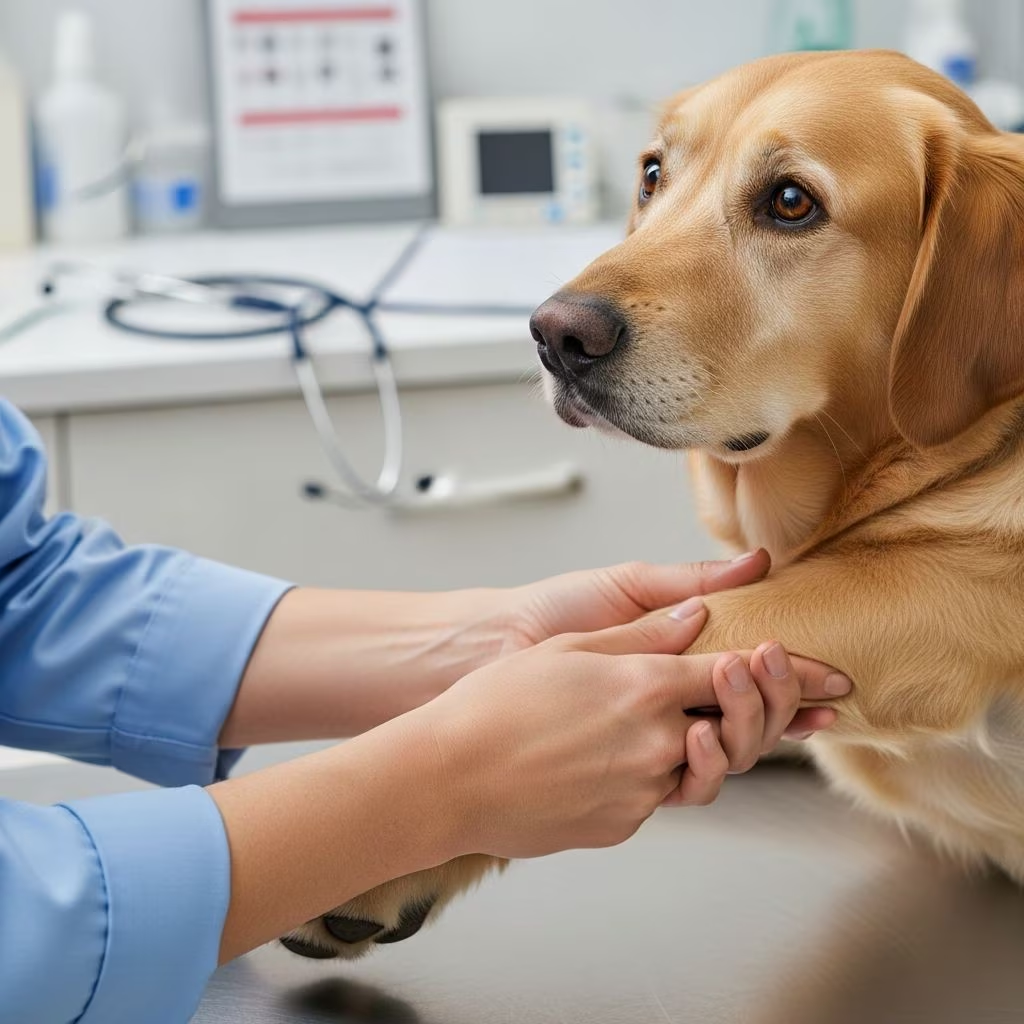
Your dog’s legs suddenly buckling can be alarming, often signaling issues from joint degeneration to spinal problems. Prompt veterinary attention is essential to identify the underlying cause and initiate appropriate care, potentially restoring mobility and preventing further decline.
Recognizing the Signs of Leg Instability in Dogs
Observing subtle changes in your dog’s gait or posture can help catch problems early. Common indicators include stumbling during walks, hesitation when jumping, or a noticeable drag in one or more limbs. These symptoms might appear gradually in older pets or abruptly after an incident.
- Stiffness or limping: Favoring one leg while avoiding pressure on others.
- Trembling hindquarters: Shaking or quivering, especially when standing.
- Collapse episodes: Legs giving way suddenly, leading to falls.
- Reduced activity: Reluctance to play, climb stairs, or rise from rest.
- Loss of coordination: Knuckling paws or crossing legs unnaturally.
These signs vary by cause but collectively point to compromised support in the limbs, warranting a professional exam.
Joint and Bone-Related Contributors to Leg Failure
Structural problems in a dog’s skeleton frequently lead to instability. **Hip dysplasia**, a malformation where the hip joint fails to align properly, exerts uneven stress on surrounding tissues, causing pain and collapse during movement. This genetic predisposition affects larger breeds and worsens with age or excess weight.
Another frequent offender is **cranial cruciate ligament (CCL) rupture**, akin to an ACL tear in humans. This injury destabilizes the knee, prompting the leg to buckle under load. Trauma, repetitive stress, or degenerative changes trigger it, often requiring surgical intervention for recovery.
**Osteoarthritis** compounds these issues as cartilage erodes, inflaming joints and weakening support muscles. Older dogs experience grinding sensations and progressive lameness, making everyday navigation challenging.
| Condition | Affected Area | Key Symptoms | Common Breeds |
|---|---|---|---|
| Hip Dysplasia | Hip Joint | Pain on rising, bunny hopping gait | German Shepherds, Labs |
| CCL Tear | Knee | Sudden lameness, swelling | Large breeds |
| Osteoarthritis | Multiple joints | Stiffness after rest, grinding noise | All, especially seniors |
Neurological Factors Behind Limb Collapse
Disruptions in nerve signaling often manifest as rear leg vulnerability first. **Intervertebral disc disease (IVDD)** involves disc herniation that compresses the spinal cord, leading to weakness, pain, or paralysis. Chondrodystrophic breeds like Dachshunds face higher risks due to their long backs and short legs.
**Degenerative myelopathy (DM)** is a relentless spinal cord deterioration primarily in breeds such as German Shepherds. It starts with subtle dragging and progresses to full hindquarter failure, with no cure but manageable symptoms.
Acute events like **fibrocartilaginous embolism (FCE)** occur when emboli block spinal blood flow, causing instantaneous weakness on one side. **Wobbler syndrome** in giant breeds compresses the neck spinal cord, yielding ataxia and limb slips.
Trauma-induced neuropathy or strokes can mimic these, demanding imaging like MRI for differentiation.
Systemic Illnesses Impacting Leg Strength
Beyond localized damage, whole-body conditions erode limb function. **Diabetes mellitus** starves muscles of glucose, fostering peripheral neuropathy and shaky legs. Uncontrolled blood sugar accelerates this decline.
**Hypoglycemia** or **anemia** deprives tissues of energy or oxygen, resulting in fatigue and collapse. Electrolyte imbalances like **hypokalemia** weaken contractions, while **Addison’s disease** disrupts hormones, mimicking neurological deficits.
Heart conditions, including **congestive failure** or **arrhythmias**, reduce circulation to extremities, prioritizing vital organs over legs.
Infectious and Toxic Triggers for Acute Weakness
Pathogens and poisons act swiftly. Tick-borne diseases like Lyme erode joints and nerves, while bacterial meningitis inflames the spinal canal. **Botulism** or snake venom paralyzes muscles via neurotoxins.
Lead exposure or organophosphates cause flaccid limbs, reversible with antidotes if caught early. Autoimmune flares, such as polyarthritis, swell joints painfully.
When to Seek Emergency Veterinary Help
Not all weakness spells disaster, but sudden onset with incontinence, yelping, or dragging warrants immediate care. Delays in IVDD or FCE can mean permanent damage.
Vets employ X-rays, bloodwork, and neurology tests to pinpoint issues. Early intervention boosts outcomes dramatically.
Treatment Strategies for Restoring Stability
Management tailors to diagnosis. Surgery corrects CCL tears or severe IVDD, while medications ease arthritis inflammation. Physical therapy rebuilds strength via hydrotherapy and balance exercises.
Supportive tools like slings, ramps, and orthopedic beds aid daily function. Nutritional supplements with glucosamine bolster joints.
Home Exercises to Bolster Weak Legs
Under vet guidance, incorporate low-impact routines:
- Short, frequent walks on soft surfaces.
- Sit-to-stand repetitions for muscle toning.
- Balance work on cushions or wobble boards.
- Swimming for resistance-free cardio.
Monitor progress and adjust to avoid strain.
Preventive Measures for Lifelong Mobility
Maintain ideal weight, provide joint-friendly diets, and schedule regular check-ups. Genetic screening for DM-prone breeds informs breeding choices. Early detection via routine exams averts crises.
FAQs on Canine Leg Weakness
Why do older dogs’ back legs give out?
Aging brings osteoarthritis, muscle loss, and DM, cumulatively undermining stability. Supportive care extends comfort.
Can hind leg weakness resolve without treatment?
Mild cases might stabilize, but most progress without intervention. Always consult a vet.
Is leg trembling always serious?
It signals pain, weakness, or neurological issues; professional assessment clarifies.
How does diet affect leg strength?
Nutrient deficiencies exacerbate metabolic causes; balanced formulas with omega-3s aid joint health.
What role does rehab play in recovery?
Certified programs enhance strength, coordination, and quality of life post-diagnosis.
References
- What Causes Sudden Hind Leg Weakness in Dogs and How to Help — MedCovet. 2023. https://medcovet.com/blog/hind-leg-weakness-in-dogs/
- Top Reasons Why Your Dog’s Legs May Be Weak—and How to Help — RehabVet. 2023. https://rehabvet.com/blog/top-reasons-why-your-dogs-legs-may-be-weak-and-how-to-help/
- What causes sudden hind leg weakness in dogs? — Stoney Creek Veterinary. 2023-11-30. https://www.stoneycreekveterinary.com/site/blog/2023/11/30/weak-hind-legs-dog
- Causes of Sudden Hind Leg Weakness in Dogs & How to Help — Austin Canine Rehab. 2023. https://www.austincaninerehab.com/blog/sudden-hind-leg-weakness
- Overcoming Dog Back Legs Weakness and Improving Mobility — OrthoDog. 2023. https://orthodog.com/blogs/sit-stay-heal/overcoming-dog-back-legs-weakness-and-improving-mobility



