

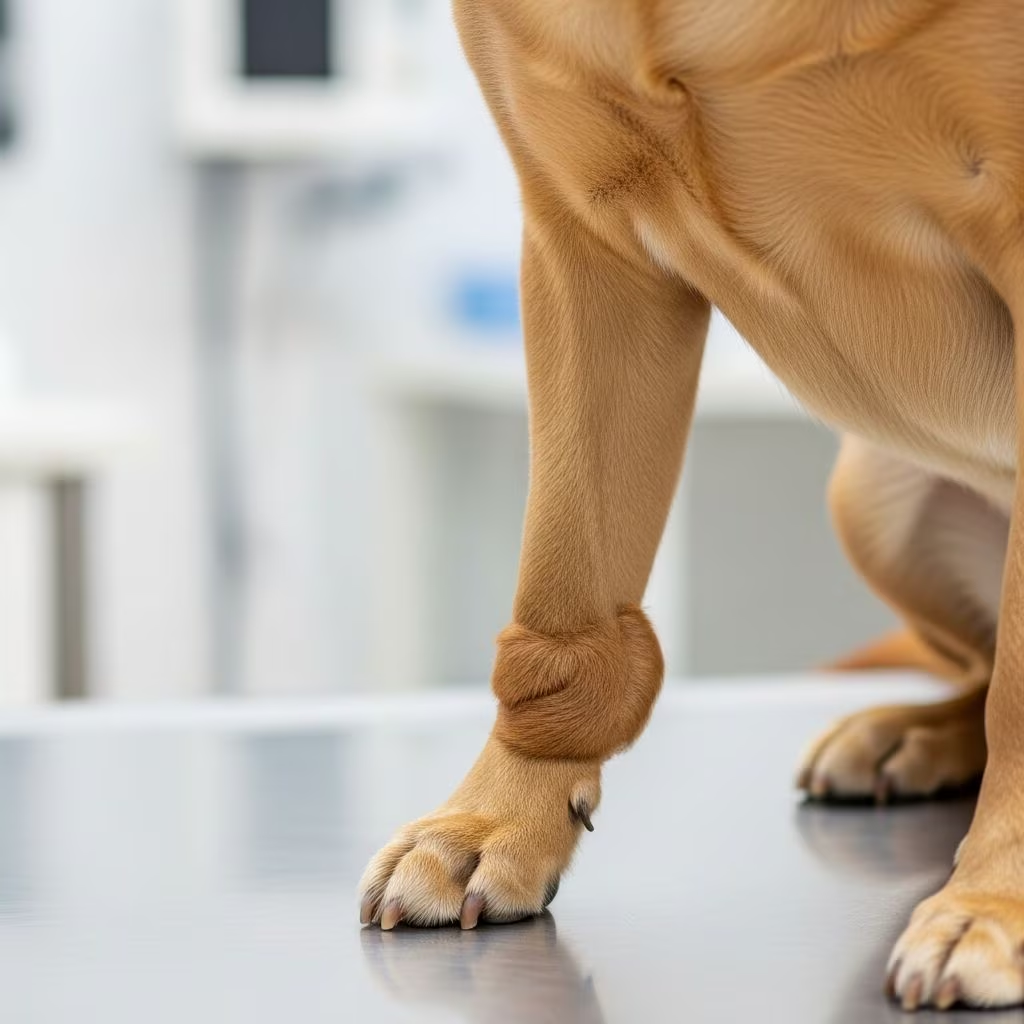
Leg swelling in dogs is a frequent concern for pet owners, signaling anything from a simple sprain to a complex medical issue. Prompt recognition and action can prevent complications and restore your dog’s mobility. This guide examines key triggers, signs, diagnostic approaches, and management options based on veterinary insights.
Recognizing the Signs of Leg Swelling
Early detection hinges on observing subtle changes in your dog’s behavior and physical appearance. Swelling might appear suddenly after activity or develop gradually over time.
- Limping or reluctance to bear weight: Dogs often favor the unaffected leg to avoid pain.
- Visible puffiness or firmness: The skin may feel warm, tight, or leave no dent when pressed.
- Stiffness upon rising: Difficulty standing, jumping, or navigating stairs indicates joint or tissue involvement.
- Excessive licking or chewing: Targeted at the swollen area, this can worsen irritation or signal infection.
- Overall lethargy: Reduced playfulness or appetite accompanies severe discomfort.
These symptoms vary by cause; for instance, joint-related swelling often pairs with heat, while lymphatic issues produce cooler, persistent edema.
Primary Causes of Swelling in Dog Legs
Understanding the root problem guides effective intervention. Swelling arises from inflammation, fluid buildup, injury, or systemic disease.
Joint Inflammation and Arthritis
Osteoarthritis tops the list, eroding cartilage in older or genetically prone dogs, leading to painful, swollen joints. Breeds like Labs and large guardians face higher risks, exacerbated by excess weight or prior trauma.
Trauma and Soft Tissue Injuries
Sprains, ligament tears (e.g., cranial cruciate), or fractures from rough play cause rapid swelling. Front legs might swell from carpal impacts, while rear legs suffer from hock or stifle strains.
Lymphatic System Disruptions
Lymphedema results from blocked lymph flow, causing fluid accumulation. Congenital forms affect breeds like Poodles and Rottweilers; acquired cases stem from surgery, tumors, or infections.
Infections and Immune Responses
Bacterial entry via wounds, tick-borne Lyme disease, or fungal issues inflame tissues. Autoimmune polyarthritis prompts the body to attack joints, yielding multi-limb swelling.
Systemic Conditions Mimicking Local Swelling
Heart, liver, or kidney failure leads to generalized edema, often bilateral. Low protein levels or vascular anomalies contribute similarly.
How Veterinarians Diagnose Leg Swelling
Professional evaluation prevents missteps. Vets start with a history and physical exam, palpating for heat, pain, and range of motion.
- Imaging: X-rays reveal fractures, arthritis, or tumors; ultrasounds assess soft tissues and lymph flow.
- Lymphangiography: Dye traces lymphatic pathways to pinpoint blockages.
- Fluid Analysis: Joint taps or biopsies identify infections or cancer.
- Blood Tests: Screen for Lyme, organ function, or autoimmune markers.
These steps ensure targeted care, ruling out differentials like inflammatory edema or neoplasia.
Treatment Approaches for Swollen Legs
Therapy matches the diagnosis, prioritizing pain relief and underlying correction.
| Cause | Key Treatments | Expected Outcomes |
|---|---|---|
| Arthritis/Injuries | NSAIDs, joint supplements (glucosamine), rest, surgery for tears | Reduced pain, improved mobility within weeks |
| Lymphedema | Massage, compression, exercise, diuretics if secondary | Managed swelling, prevented progression |
| Infections | Antibiotics/antifungals, drainage | Resolution in 7-14 days |
| Systemic Edema | Treat primary disease (e.g., heart meds), low-salt diet | Fluid reduction with organ stabilization |
Supportive measures like weight control and hydrotherapy enhance recovery across cases.
Home Care Strategies
While awaiting vet care, restrict activity, apply cool compresses (10-15 mins, 2-3x daily), and monitor for worsening. Elevate the limb if possible, but avoid tight wraps without guidance.
Preventing Recurrence of Leg Swelling
Proactive habits safeguard joint and lymphatic health.
- Maintain ideal weight to lessen limb stress.
- Provide joint-friendly exercise: swimming over jumping.
- Use tick preventives in endemic areas.
- Regular vet checkups for at-risk breeds.
- Supplement diets with omega-3s and antioxidants.
Early spay/neuter considerations may influence breed-specific risks.
When to Seek Emergency Care
Rush to the vet if swelling spreads rapidly, skin breaks open, fever develops, or breathing labored. Sudden bilateral swelling suggests heart/kidney urgency.
Frequently Asked Questions (FAQs)
Can swollen legs in dogs resolve on their own?
Minor sprains might, but persistent or worsening cases need vet attention to avoid chronic damage.
Is lymphedema curable in dogs?
No cure exists, but management controls symptoms effectively long-term.
What breeds are prone to joint swelling?
Labradors, German Shepherds, Rottweilers, and large breeds due to genetics and size.
How does diet impact leg swelling?
Low-protein or salty diets worsen edema; balanced nutrition with supplements supports joints.
Should I give my dog human painkillers?
Never—many are toxic. Use vet-prescribed NSAIDs only.
Long-Term Management for Chronic Cases
For ongoing issues like arthritis or lymphedema, integrate physiotherapy, custom orthotics, and routine monitoring. Owners report sustained quality of life with consistent adherence.
Swollen legs demand vigilance, but with informed care, most dogs bounce back vigorously. Consult your vet promptly for personalized plans.
References
- Dog Swollen Joints: Causes and Care — Pinnacle Veterinary Specialists. 2023. https://pinnacle.vet/blog/dog-swollen-joints/
- Swollen Legs or Puffy Skin? It Might Be Lymph Build-Up in Dogs — Impact Dog Crates. 2024. https://www.impactdogcrates.com/blogs/puppy-news/swollen-legs-or-puffy-skin-it-might-be-lymph-build-up-in-dogs
- Fluid Retention and Tissue Swelling Due to Collection of Lymph — WagWalking. 2023. https://wagwalking.com/condition/fluid-retention-and-tissue-swelling-due-to-collection-of-lymph
- FAQ: Carpal Swollen Front Leg — Zoomadog. 2024. https://zoomadog.co.uk/blogs/blog/faq-carpal-swollen-front-leg
- Edema in Dogs — PetMD. 2025-02-10. https://www.petmd.com/dog/symptoms/edema
- Swollen Joints in Dogs: 10 Possible Causes & How to Help — The Pet Lab Co. 2024. https://thepetlabco.com/learn/dog/health-wellness/swollen-joints-in-dogs



