

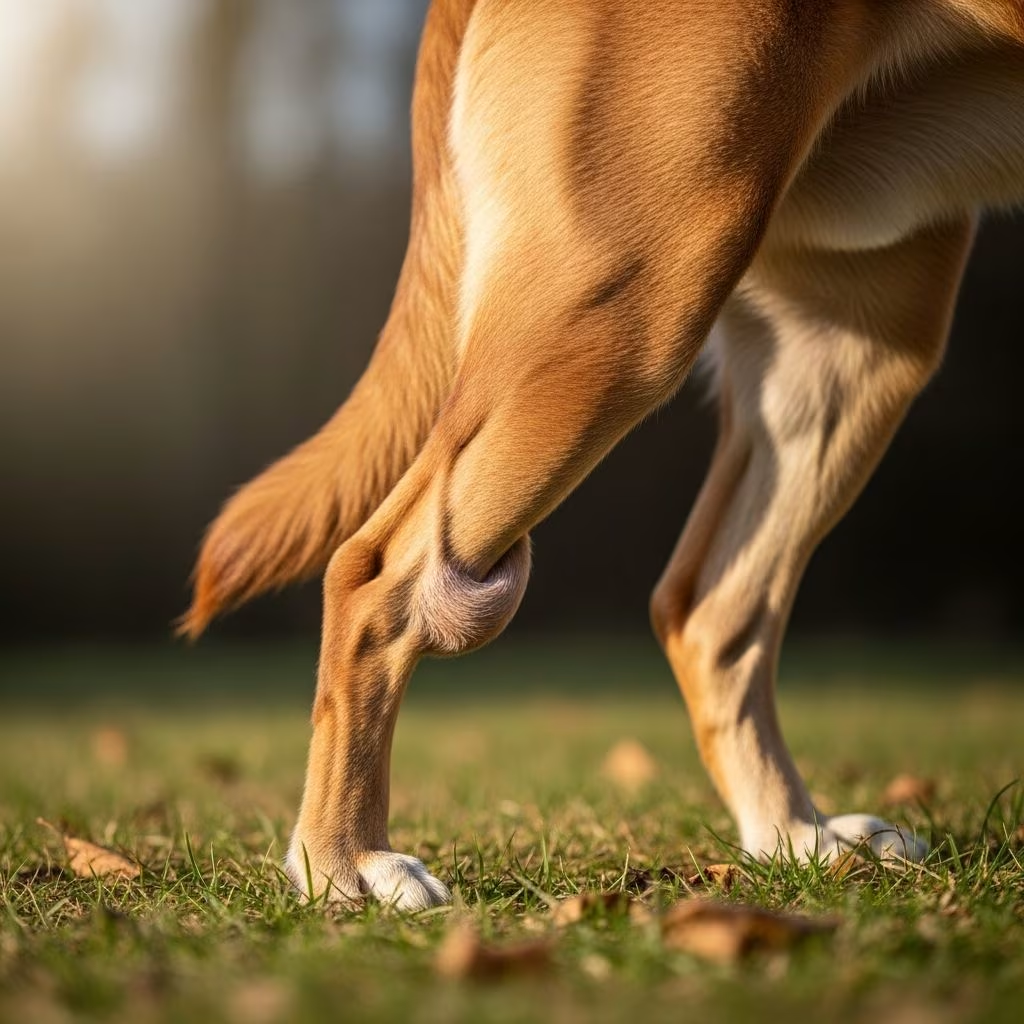
Dog leg sprains occur when ligaments stretch or tear from sudden twists, jumps, or impacts, causing pain and mobility issues. Most cases heal with conservative care, but prompt recognition and treatment prevent complications like muscle weakening.
Understanding Ligament Injuries in Canines
Ligaments connect bones in joints, providing stability during movement. In dogs, sprains often affect knees, ankles, or elbows due to high-energy activities like fetching or agility sports. Unlike fractures, sprains involve soft tissue damage without bone breaks, graded from mild (slight stretch) to severe (full tear).
Active breeds like Labrador Retrievers or Border Collies face higher risks, but any dog can suffer from slips on slick floors or rough terrain. Early intervention minimizes long-term joint stress on the opposite leg.
Key Indicators of a Sprained Leg
Spotting a sprain early avoids progression to chronic issues. Watch for these primary signs:
- Limping or favoring one leg: The most common initial symptom, where dogs avoid weight-bearing on the affected limb.
- Visible swelling: Inflammation around the joint, often warm to touch but not excessively hot.
- Pain vocalization: Whining, yelping, or growling when the leg is touched or moved.
- Reduced activity: Hesitation to jump, climb stairs, or play, with increased resting.
- Excessive licking: Dogs self-soothe irritated areas, potentially causing hair loss.
If limping persists beyond 24 hours or worsens, it signals more than a minor tweak. Differentiate from strains (muscle/tendon) by joint-focused pain versus diffuse soreness.
Assessing Severity: Grades of Sprains
Sprains classify into three grades based on damage extent:
| Grade | Description | Typical Healing Time | Common Interventions |
|---|---|---|---|
| I (Mild) | Minor stretch, minimal tear | 1-3 weeks | Rest, ice, short walks |
| II (Moderate) | Partial tear, noticeable instability | 3-6 weeks | Bracing, meds, therapy |
| III (Severe) | Complete tear, joint laxity | Months, often surgery | Surgery, rehab |
Data from veterinary sources shows Grade I often self-resolves with home care, while higher grades demand professional input.
Immediate First Aid Steps at Home
Before vet visits, stabilize the injury:
- Restrict movement: Crate or confine to prevent jumping/running; use leashes for potty breaks.
- Cold compress: Wrap ice pack in cloth, apply 10-15 minutes every few hours for 48 hours to curb swelling.
- Elevate if possible: Keep leg raised during rest to reduce fluid buildup.
- Avoid early massage: Wait for swelling reduction to prevent further damage.
These measures buy time and ease discomfort without risking aggravation.
Professional Diagnosis Process
Vets confirm sprains via physical exams, palpation, and ruling out fractures. X-rays detect bone issues; advanced cases may use ultrasounds or MRIs for ligament visualization. Lameness exams assess gait and joint stability.
Expect questions on injury history, breed, age, and activity levels, as older dogs or large breeds like those with cranial cruciate issues may need specialized checks.
Veterinary Treatment Options
Tailored plans address grade and location:
- Medications: NSAIDs like carprofen or meloxicam reduce pain/inflammation; never use human OTC drugs.
- Support devices: Splints, braces, or sleeves stabilize joints, especially for knees/elbows.
- Therapy progression: Switch to heat after 48 hours for circulation; incorporate hydrotherapy for low-impact strengthening.
- Surgical repair: For Grade III or cruciate tears, procedures like TPLO restore function; referrals to surgeons common.
Weight management aids recovery by lessening joint load.
Rehabilitation and Home Recovery Strategies
Post-vet, structured rehab accelerates healing:
- Controlled exercise: Short leash walks building to longer ones per vet timeline.
- Physical therapy: Range-of-motion flexes, balance exercises, underwater treadmills.
- Heat therapy: Warm packs post-swelling for muscle relaxation.
- Massage techniques: Gentle, slow strokes once approved to boost blood flow.
- Comfort aids: Orthopedic beds, e-collars to deter licking.
Monitor for setbacks; gradual reintroduction prevents re-injury.
Timeline for Full Recovery
Healing varies:
- Mild: 1-2 weeks with rest.
- Moderate: 4-8 weeks including therapy.
- Severe: 3-6 months post-surgery.
Follow-ups ensure progress; patience avoids rushed returns to activity.
Preventing Future Leg Sprains
Proactive steps safeguard joints:
- Maintain ideal weight via balanced diet/exercise.
- Warm-up before vigorous play.
- Use non-slip mats, ramps for seniors.
- Regular vet checks for at-risk breeds.
- Supplements like glucosamine for joint support (vet-approved).
Training obedience reduces risky behaviors like sudden leaps.
Frequently Asked Questions
Can dog sprains heal without a vet?
Mild cases may, with rest/ice, but persistent limps warrant checks to exclude fractures.
Is heat or ice better initially?
Ice first 48 hours for swelling; heat thereafter for healing.
When does a sprain need surgery?
Severe tears or cruciate ligaments unresponsive to conservative care.
How to stop my dog from licking the leg?
E-collar or recovery sleeve; monitor for infection.
Are certain breeds more prone?
Yes, large/active ones like Labs; genetics play a role.
Emergency Warning Signs
Seek immediate care for:
- No weight-bearing.
- Worsening swelling/heat.
- Dragging leg or distress.
References
- A Complete Guide for Pet Owners on Treating Sprains in Dogs Safely — NMS Pet Emergency. 2024. https://nmspetemergency.com/a-complete-guide-for-pet-owners-on-treating-sprains-in-dogs-safely/
- Dog Sprained Leg: Signs, Diagnosis and Treatment — Hill’s Pet. 2024. https://www.hillspet.com/dog-care/healthcare/dog-sprained-leg-signs-and-treatment
- How Long Does A Dog Sprain Take to Heal? — TPLO Info. 2024. https://tploinfo.com/blog/treatment-dog-sprained-leg/
- Strains and Sprains Spell Pain for Dogs — WebMD. 2024. https://www.webmd.com/pets/dogs/dog-sprains-strains
- Understanding Sprains in Dogs: Symptoms, Treatment and Prevention — Pinnacle Vet. 2024. https://pinnacle.vet/blog/sprains-in-dogs/
- Signs of a Sprained Leg in Dogs — Apex Vets. 2024. https://apex.vet/blog/dog-sprained-leg/



