Dog Leg Sprains: Spot, Treat, Recover
Learn to identify sprained legs in dogs, apply first aid, and guide recovery for a swift return to play.
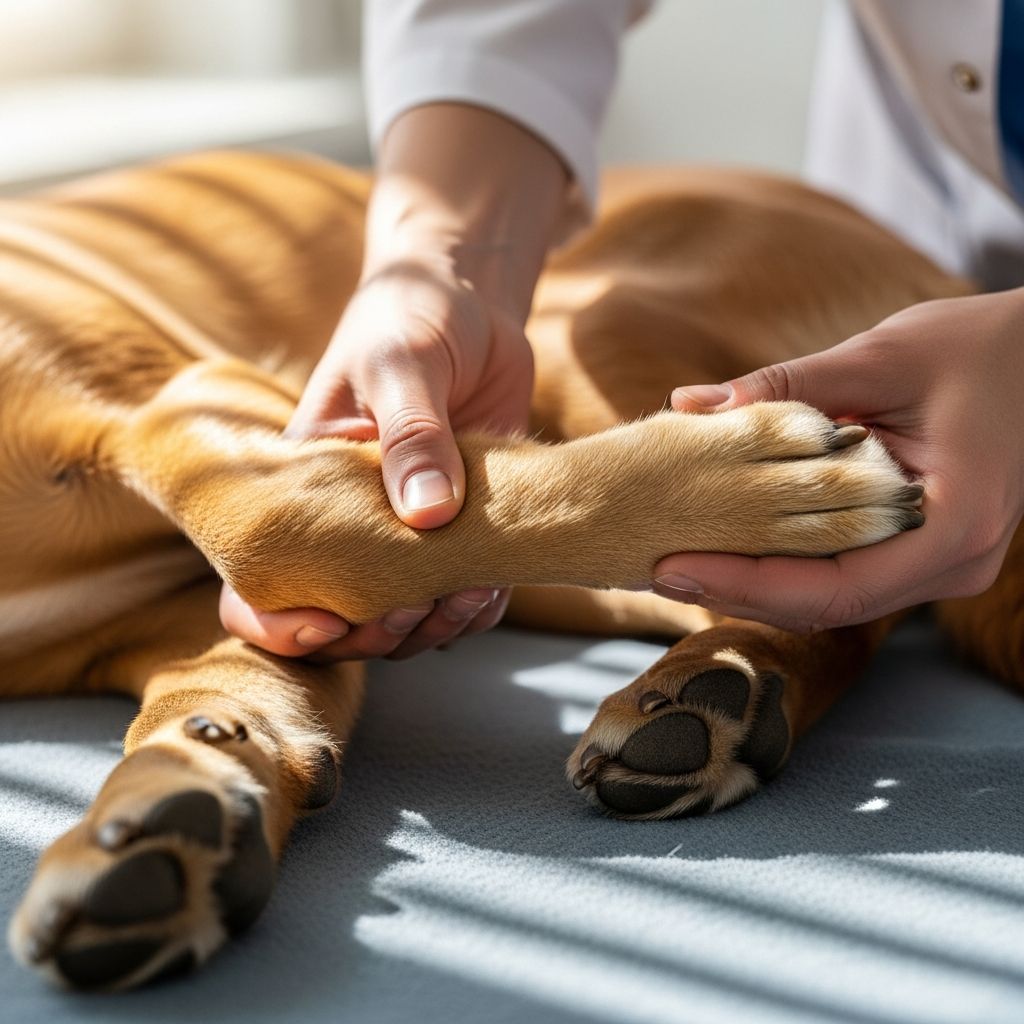
Leg sprains rank among the most common injuries in active dogs, often stemming from jumps, twists, or sudden stops during play. These soft tissue damages affect ligaments, causing pain and mobility challenges that demand prompt attention. Owners who recognize early indicators can initiate care to speed healing and avert chronic problems.
Understanding Canine Leg Sprains
Sprains occur when ligaments—tough bands connecting bones in joints—stretch or tear due to excessive force. Unlike fractures involving bone breaks, sprains target these supportive fibers, leading to inflammation and instability. Dogs in sports, agility training, or even household romps face higher risks, particularly in knees, ankles, and wrists.
Sprain severity falls into grades: Grade I involves mild stretching with minimal fiber tears; Grade II features partial tears causing moderate instability; Grade III signals complete ruptures needing intensive intervention. Early differentiation guides effective management.
Key Indicators of a Sprained Leg
Observant owners spot trouble through behavioral shifts. Core signs include:
- Limping or favoring one limb: Dogs avoid weight-bearing on the injured leg, hopping on three legs during walks.
- Joint or paw swelling: Inflammation builds rapidly, puffing the area around the injury site.
- Pain responses: Whining, yelping, or pulling away when the leg is touched or moved.
- Mobility limitations: Hesitation on stairs, reluctance to jump, or stiffness after rest.
- Excessive grooming: Licking or chewing the spot signals discomfort and self-soothing.
If the leg heats up excessively or lameness persists beyond 48 hours, deeper issues like fractures or infections may lurk, warranting immediate vet checks.
Immediate Steps for Suspected Sprains
Act swiftly with the RICE protocol—Rest, Ice, Compression, Elevation—tailored for pets. Confine your dog to a crate or small space to curb running and jumping, preventing further damage.
Apply a wrapped ice pack for 10-15 minutes every few hours in the first 48 hours to curb swelling. Avoid direct skin contact to prevent frostbite. Transition to warm compresses after initial inflammation fades, enhancing circulation.
Light bandaging stabilizes mild cases but consult a vet first to avoid circulation cuts. Skip massages initially; wait until swelling drops.
Grading Sprains and Tailored Care
| Sprain Grade | Symptoms | Treatment Approach | Healing Time |
|---|---|---|---|
| Grade I (Mild) | Slight limp, minor swelling | Rest, ice/heat, short leashed walks | 1-3 weeks |
| Grade II (Moderate) | Obvious favoring, instability | Crate rest, meds, supportive wraps, PT | 3-6 weeks |
| Grade III (Severe) | No weight-bearing, major swelling | Surgery possible, extended rehab | 2-6 months |
This table outlines progression, helping owners align expectations with interventions.
Veterinary Diagnosis Essentials
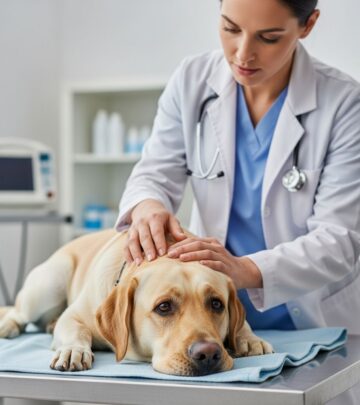
Professionals start with physical exams, palpating joints for pain, laxity, or crepitus. X-rays exclude breaks, while advanced scans like MRI pinpoint ligament tears.
Vets grade the injury, prescribe NSAIDs such as carprofen for pain and inflammation control, and outline rest durations. Surgery looms for cranial cruciate ruptures unresponsive to conservatives.
Phased Recovery Roadmap
Phase 1: Acute Management (Days 1-3)
Prioritize strict rest. Use e-collars to deter licking, padded beds for joint relief, and vet-approved pain relief.
Phase 2: Rehabilitation Build-Up (Weeks 1-4)
Introduce controlled leash walks, progressing to hydrotherapy—underwater treadmills reduce joint stress while rebuilding muscle.
Range-of-motion exercises gently flex the leg, preserving flexibility without strain.
Phase 3: Strength and Return (Weeks 4+)
Incorporate balance work on wobble boards, gradual play resumption, and weight monitoring to ease limb load.
Advanced Therapies for Optimal Healing
Beyond basics, options abound:
- Hydrotherapy: Buoyancy supports low-impact cardio and muscle toning.
- Laser therapy: Low-level light reduces inflammation and accelerates tissue repair.
- Acupuncture: Targets pain points, boosting endorphins for comfort.
- Custom braces: Stabilize during activity, aiding chronic cases.
These, under vet guidance, shorten downtime and fortify resilience.
Complications to Monitor
Neglect breeds muscle atrophy, contralateral limb overload, or osteoarthritis. Watch for unresolved limp, renewed swelling, or behavioral depression signaling poor progress.
Obese dogs heal slower; diet plans trim excess pounds, lightening joint burdens.
Preventing Future Sprains
Proactive steps safeguard joints:
- Maintain ideal weight via balanced nutrition.
- Warm up before vigorous play with light trots.
- Use non-slip flooring and ramps for seniors.
- Supplement with glucosamine for cartilage health.
- Schedule regular vet checks for early wear detection.
Frequently Asked Questions
Can I treat my dog’s sprain at home without a vet?
Mild cases respond to RICE, but persistent symptoms demand professional evaluation to rule out fractures or tears.
How long until my dog walks normally again?
Mild sprains resolve in weeks; severe ones span months with rehab. Patience and compliance hasten returns.
Is surgery always needed for leg sprains?
No—most heal conservatively. Surgery targets full tears or instability post-rest.
What if my dog won’t stop licking the injury?
Fit an e-collar or recovery suit; monitor for infections from saliva.
Does breed influence sprain risk?
Large breeds like Labs face cruciate vulnerabilities due to conformation and activity.
Nutrition’s Role in Joint Recovery
Omega-3 fatty acids from fish oil combat inflammation, while antioxidants shield tissues. High-quality proteins fuel repair, and controlled calories prevent compensatory overeating during rest.
Consult vets for tailored supplements, avoiding over-the-counter excesses that risk GI upset.
References
- Dog Sprained Leg: Signs, Diagnosis and Treatment — Hill’s Pet. 2023. https://www.hillspet.com/dog-care/healthcare/dog-sprained-leg-signs-and-treatment
- A Complete Guide for Pet Owners on Treating Sprains in Dogs Safely — NMS Pet Emergency. 2024. https://nmspetemergency.com/a-complete-guide-for-pet-owners-on-treating-sprains-in-dogs-safely/
- How Long Does A Dog Sprain Take to Heal? — TPLO Info. 2023. https://tploinfo.com/blog/treatment-dog-sprained-leg/
- Signs of a Sprained Leg in Dogs — Apex Vets. 2024. https://apex.vet/blog/dog-sprained-leg/
- Strains and Sprains Spell Pain for Dogs — WebMD. 2023. https://www.webmd.com/pets/dogs/dog-sprains-strains
- Understanding Sprains in Dogs: Symptoms, Treatment and Prevention — Pinnacle Vet. 2024. https://www.pinnacle.vet/blog/sprains-in-dogs/
- First Aid for Limping Dogs — VCA Animal Hospitals. 2024. https://vcahospitals.com/know-your-pet/first-aid-for-limping-dogs
Similar Articles




Read full bio of Sneha Tete