

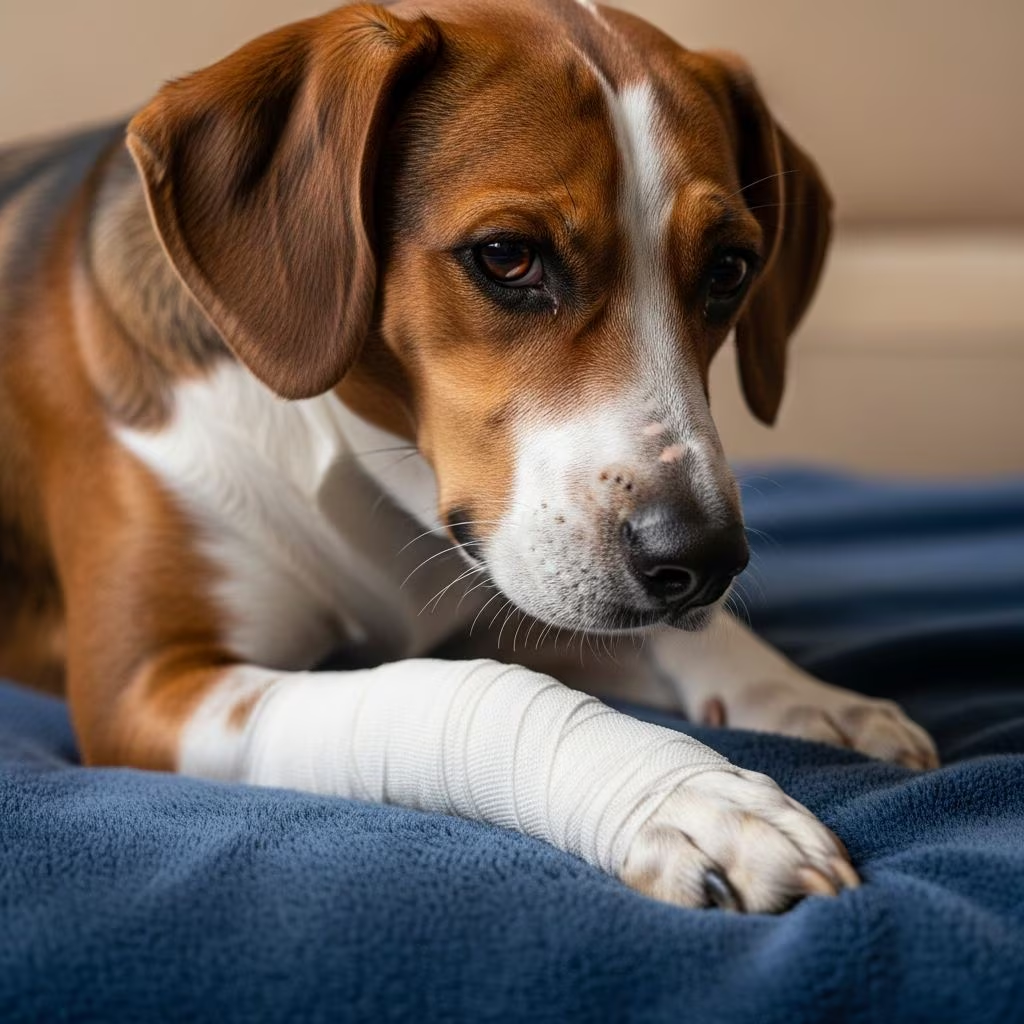
Determining whether your dog has a broken leg or a simple sprain can be challenging for pet owners, as both conditions often present with similar initial signs like limping. A sprain involves stretched or torn ligaments around joints, causing pain and inflammation without bone involvement, while a fracture means the bone itself is cracked or shattered, typically from high-impact trauma. Accurate identification relies on observing symptom severity, leg deformity, and response to gentle handling, but professional veterinary assessment is essential for confirmation.
Common Causes of Leg Injuries in Dogs
Dogs frequently injure their legs during play, jumps, or accidents. Sprains often occur from sudden twists during running or roughhousing, overstretching soft tissues like ligaments in knees, ankles, or shoulders. Fractures result from falls, car hits, or crushing injuries, more common in active breeds like Labrador Retrievers or during puppy growth phases when bones are softer.
- High-energy activities: Chasing balls or agility training can lead to ligament strains.
- Trauma events: Being hit by vehicles or falling from heights often causes breaks.
- Age-related risks: Older dogs may sprain due to arthritis-weakened joints; puppies fracture growing bones easily.
Understanding these triggers helps prevent future issues through supervised play and breed-specific precautions.
Key Signs of a Sprained Leg
Sprains manifest as soft tissue damage, leading to inflammation without structural bone changes. Dogs may still bear some weight, though reluctantly.
| Symptom | Description | Severity Level |
|---|---|---|
| Limping | Dog favors one leg, walks with slight hop or avoids full pressure | Mild to moderate |
| Swelling | Joint area puffs up, feels warm but not scorching | Moderate |
| Pain response | Whines on touch or movement, but no extreme distress | Mild |
| Activity change | Less jumping or playing, licks injured spot excessively | Mild to moderate |
These signs usually improve with rest within 24-48 hours if mild. Excessive licking can worsen irritation, signaling ongoing discomfort.
Critical Indicators of a Broken Leg
Fractures demand urgent care due to bone misalignment risks and pain intensity. Unlike sprains, breaks often show visible abnormalities.
- Non-weight bearing: Dog holds leg completely off ground, refuses to touch it down.
- Deformity: Leg appears bent unnaturally, swollen massively, or bruised deeply.
- Severe pain: Intense yelping, trembling, panting even at rest.
- Grating sound: Audible crepitus (bone rubbing) during minimal movement.
- Open wound: Bone protruding or deep laceration with bleeding.
Such symptoms indicate emergency; delays can lead to infection or improper healing. Heat exceeding normal warmth or pale gums signal complications like shock.
How to Safely Check Your Dog’s Leg at Home
Before rushing to the vet, perform a gentle inspection to gather details for the professional exam. Always prioritize safety—muzzle if needed for bite risk.
- Observe gait: Note if limp persists at walk, trot, or rest; video for vet review.
- Visual scan: Look for swelling, cuts, or angle issues from a distance.
- Touch test: Feel paw pads for thorns, then slowly up leg; stop if yelping occurs.
- Joint flex: Gently bend without force; instability suggests sprain, immobility fracture.
Avoid forcing movement, as this can exacerbate damage. If unsure, err on veterinary side.
Veterinary Diagnostic Process
Vets use systematic steps to differentiate injuries accurately. Initial physical exam assesses gait, palpates for pain hotspots, and tests joint stability like cranial drawer for knee ligaments.
- X-rays: Primary tool to visualize bones; rules out fractures invisible on sprains.
- Ultrasound/MRI: For soft tissue detail in complex cases.
- Blood work: Excludes infections like Lyme mimicking lameness.
Sedation may aid thorough checks on painful dogs. Early diagnosis prevents muscle atrophy or opposite leg strain.
Treatment Options for Sprains
Mild sprains heal with conservative management: strict crate rest 2-4 weeks, ice packs 10-15 mins twice daily, and NSAIDs like carprofen prescribed by vets.
- Supportive gear: Soft braces stabilize without immobilizing fully.
- Physio: Later stages include controlled walks, hydrotherapy for strength.
- Monitoring: Track swelling reduction; no improvement warrants recheck.
Severe tears may need surgery like TPLO for CCL.
Managing Fractures: From Splints to Surgery
Breaks require stabilization. Simple greenstick fractures in pups may splint 4-6 weeks; compound ones need pins, plates, or external fixators.
| Treatment Type | Best For | Recovery Time |
|---|---|---|
| Splint/Cast | Stable, closed fractures | 4-8 weeks |
| Internal Fixation | Complex, multi-fragment breaks | 8-12 weeks |
| Pain Meds + Rest | Non-displaced hairline | 3-6 weeks |
Post-op rehab includes restricted activity, frequent X-ray follow-ups. Pain control prevents chronic issues.
Recovery Timeline and Home Care Tips
Expect gradual improvement: sprains 2-6 weeks, fractures 8-16 weeks depending on age/health. Provide non-slip surfaces, elevated food bowls, and short leash walks.
- Nutrition: High-protein diet aids healing; glucosamine for joints.
- Watch for red flags: Worsening limp, fever, or discharge.
- Rehab exercises: Gentle massages evolve to ball games.
Full return to activity prevents re-injury; consult for clearance.
Prevention Strategies for Active Dogs
Proactive steps reduce risks: Maintain ideal weight to lessen joint stress, warm-up before vigorous play, and use ramps for car/stairs access.
- Breed-specific: Larger dogs benefit from joint supplements early.
- Environment: Clear yards of hazards like holes or debris.
- Regular vet checks: Catch arthritis before sprains cascade.
Training obedience commands ensures safer outings.
Frequently Asked Questions (FAQs)
Can a sprained leg heal on its own?
Yes, mild cases often resolve with rest, but vet confirmation prevents missing fractures.
How long does a dog limp with a sprain?
Typically 1-2 weeks with proper care; persistent beyond requires imaging.
Should I give my dog human painkillers?
No—ibuprofen/toxic; only vet-prescribed meds are safe.
What if my dog limps only after exercise?
Could be strain or soft tissue; monitor and restrict if recurring.
Is surgery always needed for breaks?
No, depends on fracture type; many heal conservatively.
When to Seek Emergency Vet Care
Rush if: no weight-bearing, open wounds, dragging leg, or shock signs like weakness. Front leg limps from trauma or back leg non-use signal urgency. Better safe—delays complicate outcomes.
References
- Dog Sprained Leg: Signs, Diagnosis and Treatment — Hill’s Pet. 2023. https://www.hillspet.co.id/dog-care/healthcare/dog-sprained-leg-signs-and-treatment
- Signs of a Sprained Leg in Dogs — Apex Vets. 2024. https://apex.vet/blog/dog-sprained-leg/
- How to Tell if Your Dog is Hurt or Injured — DogLeggs. 2023. https://www.dogleggs.com/blog/how-to-tell-if-your-dog-is-hurt-or-injured-/
- Sprains and Strains in Dogs — PetMD. 2025-01-15. https://www.petmd.com/dog/conditions/musculoskeletal/sprains-and-strains-dogs
- Why Is My Dog Suddenly Limping on Its Back Leg? — Saratoga Veterinary Hospital. 2024. https://saratogavethosp.com/blog/dog-suddenly-limping-on-back-leg/
- Understanding Sprains in Dogs — Pinnacle Vet. 2024. https://pinnacle.vet/blog/sprains-in-dogs/



