
Dog Leg Amputation: A Guide to Tough Choices
Explore the reasons, surgical process, recovery tips, and life after amputation for dogs facing limb removal.
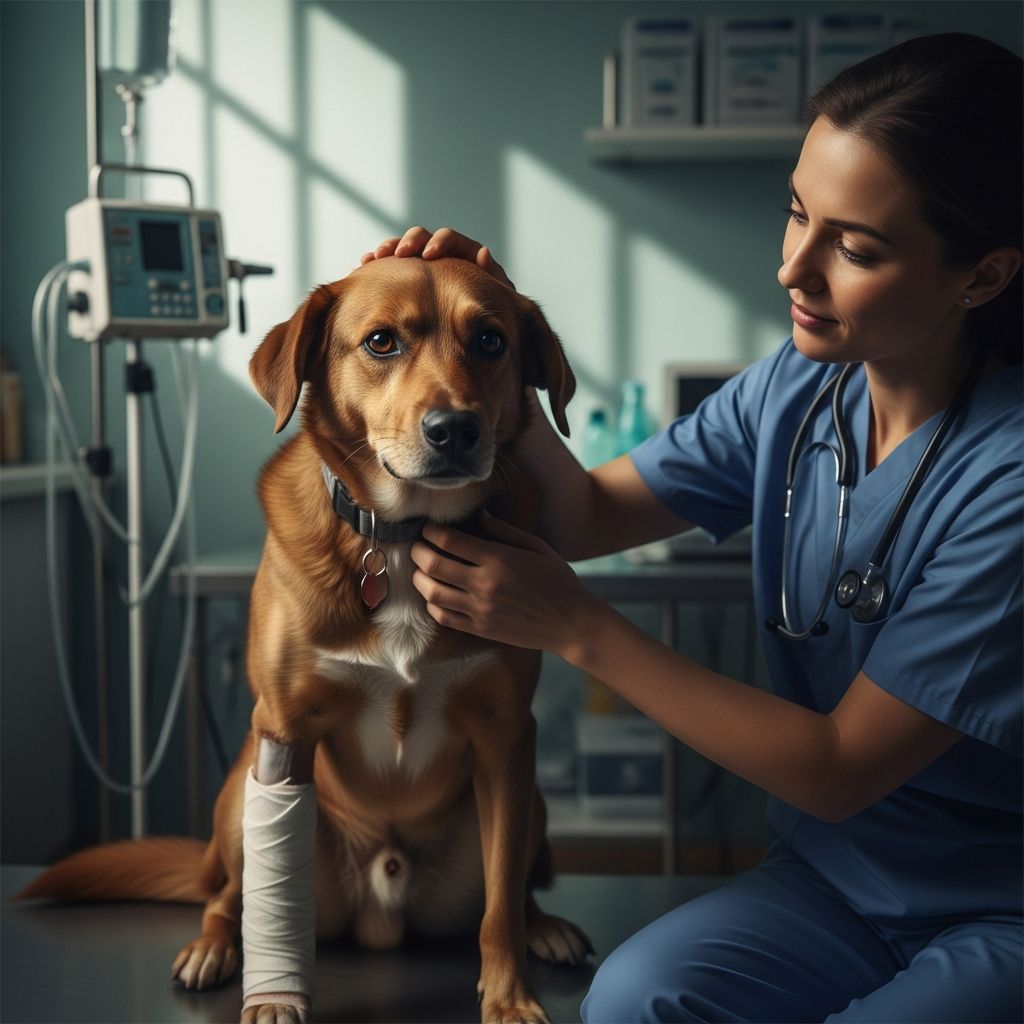
When a dog’s limb faces irreparable damage from cancer, trauma, or infection, amputation becomes a life-saving option. Many owners fear their pet’s quality of life will suffer, but veterinary evidence shows most dogs adapt remarkably well, often returning to playful activities on three legs.
Reasons Your Dog Might Need Limb Removal
Several conditions lead veterinarians to recommend amputation as the best path forward. Bone cancer, such as osteosarcoma, frequently necessitates this procedure because tumors can spread if not fully excised. Severe injuries from accidents, like crushed bones that won’t heal properly, also qualify. Chronic infections or non-healing wounds that resist treatment fall into this category too. In cases of debilitating arthritis or nerve damage causing constant pain, removing the source ends suffering effectively.
- Cancer: Primary bone tumors demand complete limb excision to prevent metastasis.
- Trauma: Irreparable fractures or mangled tissues post-accident.
- Infection: Deep, resistant abscesses or osteomyelitis.
- Neurological issues: Severe peripheral nerve damage leading to paralysis.
Deciding involves weighing pain levels, mobility loss, and treatment alternatives like chemotherapy or prosthetics, which may not suit every case.
Consulting Your Vet: Key Factors in the Decision
Start with a thorough veterinary evaluation including X-rays, blood tests, and possibly biopsies. Discuss your dog’s age, overall health, and breed predispositions—larger breeds like Labs handle it well, while tiny dogs may face balance challenges. Ask about success rates: studies indicate over 90% of dogs regain normal function within months. Consider financial aspects, as costs range from $2,000-$5,000 depending on location and complications. Emotional readiness matters too; many owners report stronger bonds post-surgery as pain diminishes.
| Factor | Pros of Amputation | Cons/Alternatives |
|---|---|---|
| Age | Younger dogs adapt faster | Older dogs may need more rehab |
| Health | Eliminates pain source | Prosthetics if partial viable |
| Cost | One-time surgery | Ongoing meds for conservative care |
| Lifestyle | Quick return to activity | Wheelchairs for support |
Understanding Forelimb vs. Hindlimb Amputation
Forelimb removal occurs at the shoulder joint, resulting in a chest incision. This affects front weight-bearing but dogs shift balance rearward effectively. Hindlimb amputation targets the hip or upper femur, preserving more pelvic stability. Partial amputations exist for prosthesis fitting, though full removal is standard for simplicity and lower complication rates. Surgeons tailor the level based on pathology location.
Pre-Surgery Preparation: What to Expect
Owners fast their dog overnight. At the clinic, IV access is established for fluids and meds. Pre-op bloodwork checks organ function, ensuring anesthesia safety. Sedation precedes general anesthesia with intubation for gas delivery. The site gets shaved and antiseptically prepped. Pain meds start intravenously, often including nerve blocks.
- Arrive early with paperwork.
- Blood draw and exam.
- Sedation and anesthesia induction.
- Site preparation.
The Surgical Procedure Step-by-Step
Under sterile conditions, surgeons follow precise protocols. For hindlimbs, they begin with medial dissection at the femoral triangle, ligating the femoral artery, vein, and saphenous nerve branch using triple ligatures and transfixing sutures to prevent bleeding. Local anesthetics like bupivacaine block nerves pre-transection. Muscles such as iliopsoas, tensor fasciae latae, and biceps femoris are cut mid-belly. The coxofemoral joint capsule opens, femoral head detaches, and the limb removes. Closure uses absorbable sutures in layers, skin with 3-0 to 4-0 material; staples avoided to reduce inflammation. Anesthesia lasts 3-4 hours, with low complication rates under 5%.
Forelimb surgery mirrors this, scapula disarticulated. Post-op, the site bandages lightly to allow airflow.
Immediate Post-Operative Care at Home
Discharge occurs 1-2 days post-op. Expect grogginess, appetite loss initially. Administer prescribed opioids, NSAIDs, and antibiotics strictly. Use an e-collar to prevent licking. Keep activity restricted: short leash walks only, no stairs. Monitor incision for redness, swelling, or discharge—contact vet if seen. Stool softeners prevent straining.
- Change bandage daily if present.
- Offer small, bland meals.
- Provide non-slip flooring.
- Assist with potty breaks.
Recovery Timeline and Milestones
Week 1: Pain management peaks; limited mobility. Week 2-4: Stitches out, gradual walks lengthen. Month 1-3: Full adaptation, hopping gait emerges. By 6 months, most run, jump normally. Physical therapy accelerates this—underwater treadmills build strength without joint stress. Complications like seromas (fluid pockets) resolve with drainage; infections rare with proper care.
| Timeframe | Expectations | Tips |
|---|---|---|
| Days 1-7 | Rest, meds | Strict confinement |
| Weeks 2-6 | Increasing activity | Short walks, PT |
| Months 2-6 | Normal life | Monitor weight, muscle |
Helping Your Dog Thrive on Three Legs
Dogs redistribute weight efficiently: forelimb amps shift 60% rearward. Maintain ideal body weight to ease spine load—obesity worsens lameness. Provide ramps for furniture, orthopedic beds. Encourage play to build confidence. Annual check-ups track contralateral limb health, as overuse risks arthritis. Many three-legged dogs hike, swim, fetch endlessly, proving resilience.
Potential Complications and How to Avoid Them
Watch for dehiscence (incision opening), managed by re-closure. Phantom pain, nerve-related, responds to gabapentin. Muscle atrophy prevented via exercise. Contralateral strain calls for joint supplements like glucosamine. Fatality under 1%, mostly anesthesia-related in sick patients. Early vet intervention key.
Cost Breakdown and Financial Planning
Expect $1,500-$4,000 for routine cases; oncology adds biopsy fees. Includes pre-op tests ($300), surgery/anesthesia ($2,000), hospitalization ($500), meds ($200). Pet insurance often covers 70-90%. Payment plans via CareCredit ease burden.
Real Owner Experiences and Success Stories
Owners share tales of renewed vigor: cancer-free dogs chasing balls months post-op. Social media brims with tripod pups in agility trials. Vets note happier demeanors sans pain.
FAQs: Common Questions About Dog Leg Amputation
Will my dog be in pain after surgery?
Multi-modal pain control minimizes discomfort; most walk day one.
How long until normal activity?
4-12 weeks for basics, full by 3-6 months.
Can large breeds handle it?
Yes, though weight management crucial.
Is prosthesis better?
Not always; full amps simpler, cheaper long-term.
What if cancer returns?
Amputation removes primary site; systemic therapy if needed.
Long-Term Health Management for Tripod Dogs
Focus on core strength via swimming, balance exercises. Monitor spine, remaining limbs yearly. Diets rich in omega-3s support joints. Emotional support: patience during adjustment prevents depression.
References
- Canine Pelvic Limb Amputation — Clinician’s Brief. 2023. https://www.cliniciansbrief.com/article/canine-pelvic-limb-amputation
- Leg Amputation in Dogs — PetMD. 2024. https://www.petmd.com/dog/procedure/leg-amputation-in-dogs
- Dog Leg Amputation Cost and Procedure Guide — CareCredit. 2024. https://www.carecredit.com/well-u/pet-care/dog-leg-amputation-cost/
- Amputation Surgery: What to Expect — Animal Emergency Temple. 2023. https://www.animalemergencytemple.com/blog/amputation-surgery-what-to-expect-during-and-after-the-procedure
- Leg Amputation: Will My Dog Be Okay? — CSU Animal Cancer Center. 2019-05-03. https://www.csuanimalcancercenter.org/2019/05/03/dog-leg-amputation/
- What Happens When Your Pet Needs an Amputation? — MedVet. 2024. https://www.medvet.com/amputation/
- What To Expect After A Limb Amputation — Virginia Veterinary Centers. 2023. https://www.virginiaveterinarycenters.com/blog/what-to-expect-after-a-limb-amputation
Similar Articles








Read full bio of medha deb




