

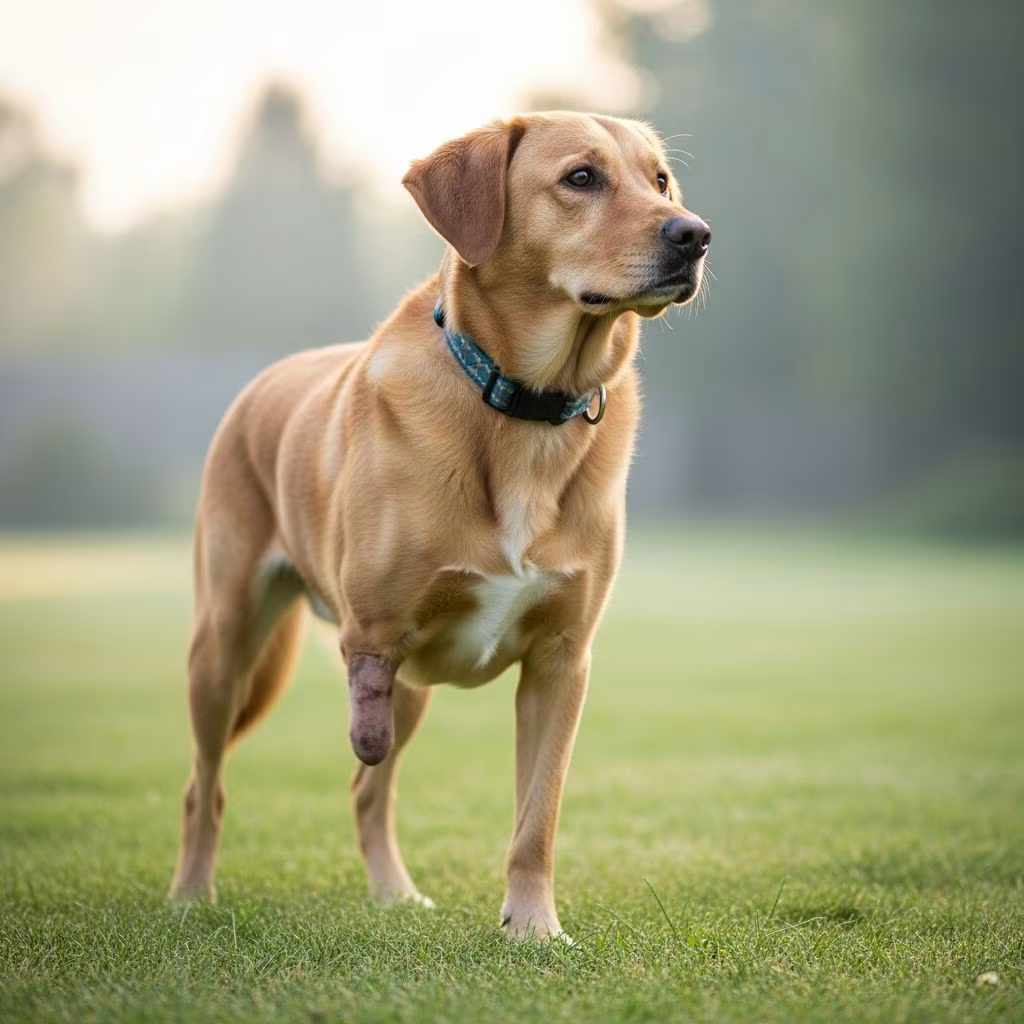
Deciding to amputate a dog’s leg is a challenging choice for any pet owner, often prompted by severe injuries, tumors, or unrelenting pain. This procedure, while major, allows many dogs to regain mobility and enjoy a good quality of life on three legs. Veterinary experts note that dogs adapt quickly due to their resilient physiology and flexible bodies.
Common Reasons for Considering Limb Removal in Dogs
Dogs may require leg amputation due to various health issues that cannot be resolved through less invasive means. Osteosarcoma, a aggressive bone cancer, frequently affects the limbs of larger breeds, necessitating removal to halt its spread. Severe trauma from accidents, such as car hits or falls, can shatter bones beyond repair, leading to chronic infection or instability.
- Cancerous growths: Tumors like osteosarcoma demand swift action to prevent metastasis.
- Traumatic injuries: Irreparable fractures or mangled limbs from high-impact events.
- Chronic infections: Deep wounds that resist antibiotics and debridement.
- Degenerative conditions: Advanced arthritis or nerve damage causing constant suffering.
In cases of cancer, the amputated limb is often sent for lab analysis to confirm diagnosis and guide further treatment.
Evaluating Your Dog’s Suitability for Amputation
Before proceeding, veterinarians assess the dog’s overall health and lifestyle. Factors include age, breed size, heart and lung function, and the dog’s activity level. Larger breeds like Labs or Shepherds typically fare well, while very obese or elderly dogs might face more challenges.
| Factor | Positive Indicators | Potential Concerns |
|---|---|---|
| Age | Young to middle-aged | Geriatric with comorbidities |
| Weight | Lean body condition | Obesity straining remaining legs |
| Activity | Active, playful | Sedentary or low-energy |
| Health | No major organ issues | Heart/lung disease |
Pre-surgical bloodwork and imaging ensure anesthesia safety. Owners should discuss prognosis, as most dogs resume normal activities within months.
Preoperative Preparation Steps
Preparation begins days before surgery. Owners withhold food overnight to prevent aspiration under anesthesia. Upon arrival at the clinic, the dog undergoes blood tests for clotting, kidney, and liver function, plus an IV catheter for fluids and meds.
- Fast the dog after midnight.
- Arrive early for hospitalization and paperwork.
- Blood draw and physical exam by the vet.
- Sedation and pain meds administered.
- Anesthesia induction with endotracheal tube for oxygen delivery.
- Site shaved and sterilized.
This routine minimizes risks, with anesthesia lasting 3-4 hours total.
Detailed Surgical Procedure for Leg Amputation
Amputation techniques differ for front (forelimb) and rear (hindlimb) legs. Forelimb removal occurs at the shoulder, leaving a chest incision. Hindlimb amputation targets the hip joint or upper femur.
Hindlimb Amputation Steps (Pelvic Limb): Surgeons make curved incisions on medial and lateral sides to preserve skin for closure. Key vessels like femoral artery/vein are triple-ligated and transected after local nerve blocks with bupivacaine. Muscles (sartorius, iliopsoas, biceps femoris) are cut mid-femur, ensuring hemostasis. The femur head is disarticulated from the hip socket, and the limb is removed.
Forelimb Process: Similar ligation and muscle transection at the shoulder joint, with skin closed over the thorax.
Partial amputations for prosthetics involve preserving more bone but require specialized care. Complications occur in under 5% of cases, with fatality below 1%.
Immediate Post-Operative Care at Home
Discharge happens 1-2 days post-surgery. The incision is closed with absorbable sutures or staples (though staples may cause more inflammation). An e-collar prevents licking, and pain meds like opioids or NSAIDs are prescribed.
- Monitor for swelling, discharge, or fever.
- Restrict activity: short leash walks only.
- Keep incision clean and dry.
- Administer all medications as directed.
Stitch removal occurs at 10-14 days. Physical therapy starts early with passive range-of-motion exercises.
Recovery Timeline and Milestones
Recovery varies but follows a predictable path. Week 1 focuses on pain control and rest. By week 4, many dogs bear weight on remaining legs. Full adaptation takes 2-3 months.
| Timeframe | Expectations | Tips |
|---|---|---|
| Days 1-7 | Limping, sedation from meds | Quiet space, frequent small meals |
| Weeks 2-4 | Increased mobility | Gradual walks, physio |
| Months 2-3 | Normal gait on 3 legs | Build stamina, monitor weight |
Vets report 95% success in uncomplicated cases.
How Dogs Adapt to Life on Three Legs
Dogs’ anatomy supports tripedalism: strong shoulders compensate for forelimb loss, while hips adjust for hindlimb. They shift weight, develop unique gaits, and maintain speed. Owners observe happier pets free from pain, engaging in play and hikes.
Challenges include faster wear on good legs, so weight management and joint supplements are key. Prosthetics suit some active dogs but aren’t universal.
Financial Considerations and Insurance
Costs range widely: $1,500-$4,000 for surgery, plus $500+ for rehab. Factors include location, vet expertise, and diagnostics. Pet insurance often covers 70-90% if pre-existing conditions are absent. Shop clinics and consider payment plans.
Long-Term Management for Tripawd Dogs
“Tripawd” communities offer support. Maintain ideal weight to ease joint stress. Regular vet check-ups monitor the stump and opposite limbs. Harness walks prevent neck strain from collars.
- Nutrient-rich diet for healing.
- Low-impact exercises like swimming.
- Orthopedic beds for comfort.
Many live 1-3 years post-cancer amputation with chemo.
Frequently Asked Questions (FAQs)
Will my dog be in pain after amputation?
Comprehensive pain management ensures comfort. Nerve blocks and meds control acute pain, with most dogs pain-free within days.
How long until my dog walks normally?
Basic mobility returns in 2-4 weeks; full adaptation in 3 months.
Can large breeds handle three legs?
Yes, with weight control. Labs and Goldens thrive as tripawds.
Is amputation better than euthanasia?
For quality of life, often yes—dogs regain joy and function.
What if cancer spreads after surgery?
Adjunct therapies like chemo extend life; monitor with imaging.
Success Stories and Owner Tips
Countless owners share tales of resilient dogs running marathons post-amputation. Tip: Join online forums for encouragement. Consult board-certified surgeons for best outcomes.
References
- Canine Pelvic Limb Amputation — Clinician’s Brief. 2023. https://www.cliniciansbrief.com/article/canine-pelvic-limb-amputation
- Leg Amputation in Dogs — PetMD. 2024. https://www.petmd.com/dog/procedure/leg-amputation-in-dogs
- Dog Leg Amputation Cost and Procedure Guide — CareCredit. 2024. https://www.carecredit.com/well-u/pet-care/dog-leg-amputation-cost/
- Amputation Surgery: What to Expect During and After the Procedure — Animal Emergency Temple. 2023. https://www.animalemergencytemple.com/blog/amputation-surgery-what-to-expect-during-and-after-the-procedure
- Leg Amputation: Will My Dog Be Okay? — CSU Animal Cancer Center. 2019-05-03. https://www.csuanimalcancercenter.org/2019/05/03/dog-leg-amputation/
- What Happens When Your Pet Needs an Amputation? — MedVet. 2024. https://www.medvet.com/amputation/



