

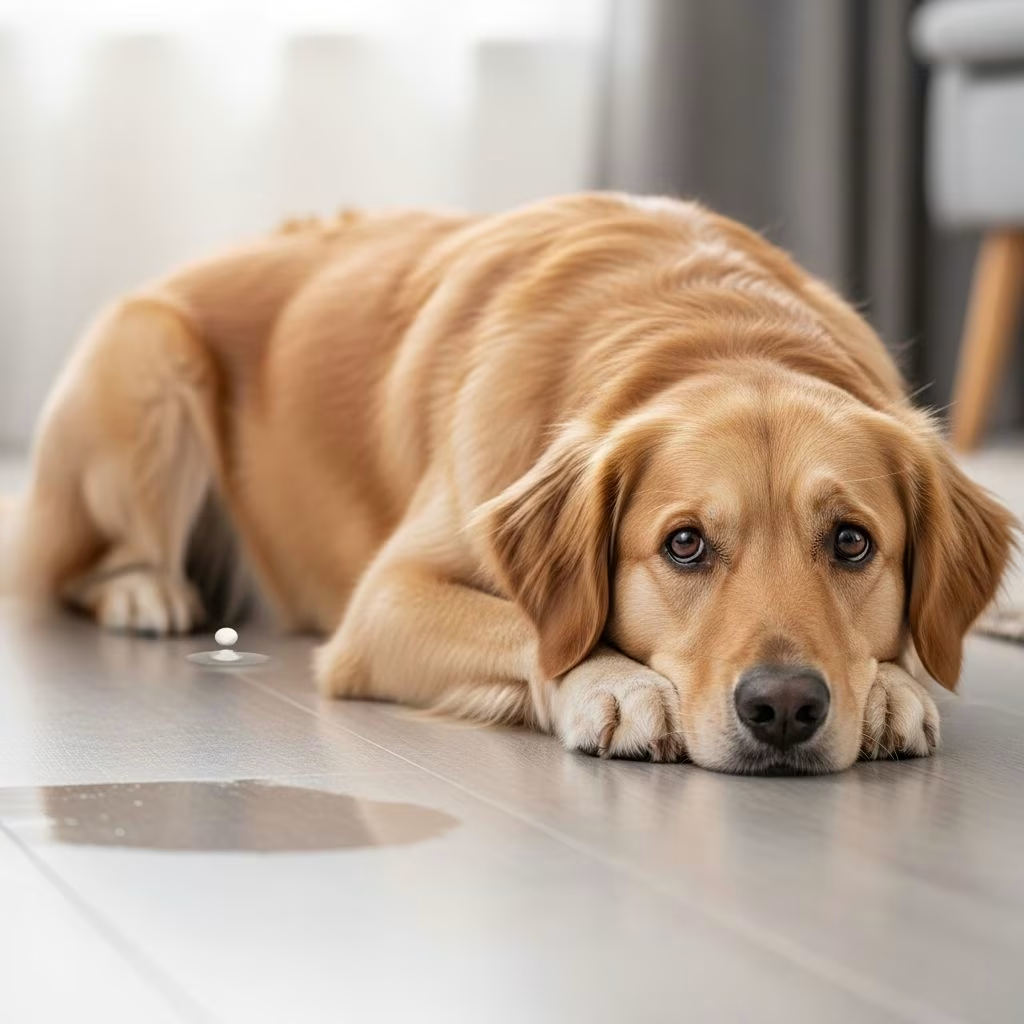
Observing your dog leaking urine while resting or sleeping can be alarming for any pet owner. This involuntary dribbling, often noticed as wet spots on bedding or damp fur, signals potential urinary incontinence. While puppies might do this due to incomplete house training, in adult or senior dogs, it frequently points to underlying medical conditions requiring professional attention. Prompt identification of the root cause is essential to restore your dog’s comfort and prevent complications like skin infections from prolonged moisture exposure.
Recognizing the Signs of Urinary Incontinence
Urinary incontinence in dogs manifests in subtle yet consistent ways. The hallmark is urine leakage during relaxation, particularly when the dog is lying down, as relaxed muscles fail to hold urine. Key indicators include:
- Damp or soiled bedding where your dog rests overnight.
- Urine stains on hind legs, vulva, or underbelly fur.
- Frequent licking of genital areas due to irritation.
- A noticeable ammonia-like odor from the dog’s rear end.
- Small puddles forming under the dog during sleep or rest.
These signs differ from intentional urination; affected dogs often appear unaware of the leakage. If your pet suddenly starts house soiling after years of reliability, track incidents and consult a vet promptly.
Primary Causes Behind Involuntary Urine Leakage
Several factors contribute to dogs leaking urine in a relaxed state. Understanding these helps in targeted treatment. Below, we break down the most prevalent triggers based on veterinary insights.
Weakened Urethral Sphincter (USMI)
Urethral Sphincter Mechanism Incontinence (USMI), sometimes called spay incontinence, is a leading cause, especially in spayed females. Estrogen deficiency after spaying weakens the urethral sphincter muscles, reducing bladder control during rest. Medium to large breeds like Boxers, Dobermans, and Rottweilers are prone, as are overweight dogs or those with docked tails. Males can develop it post-neutering, though less commonly. Symptoms peak when lying down because abdominal pressure relaxes the sphincter further.
Urinary Tract and Bladder Infections
Infections in the urinary tract (UTIs) or bladder irritate tissues, causing urgency and leakage. Bacteria like Escherichia coli enter the bladder, leading to inflammation. Dogs may strain, urinate frequently in small amounts, or leak post-treatment due to temporary sphincter sensitivity. Accompanying signs include bloody or cloudy urine, fever, and increased thirst. Untreated, these can scar the bladder, worsening retention.
Age-Related Muscle Decline
Senior dogs often experience incontinence from weakened bladder muscles and cognitive decline. As dogs age, sphincter tone diminishes, and conditions like senility reduce awareness of bodily functions. This is common in dogs over 8 years, with leaks most evident during deep sleep.
Structural Defects and Congenital Issues
Ectopic ureters, a birth defect where ureters bypass the bladder and connect abnormally to the urethra or vagina, cause constant dribbling. Breeds like Siberian Huskies, Labrador Retrievers, and West Highland White Terriers are genetically susceptible. Injuries or surgical complications can mimic this by damaging bladder anatomy.
Obstructions and Blockages
Bladder stones, tumors, clots, or urethral plugs block urine flow, leading to partial leaks or dribbling. Partial blockages cause straining, bloody urine, and frequent small voids; full ones are emergencies with no urination, lethargy, and vomiting. Immediate intervention prevents bladder rupture.
Neurological and Spinal Problems
Spinal cord injuries, disc disease, or brain disorders disrupt nerve signals to the bladder. This impairs voluntary control, resulting in overflow incontinence during rest. Vets assess via reflex tests and imaging.
Stress and Behavioral Factors
High anxiety from fear, loud noises, or environmental changes causes urine retention, building bladder pressure that releases when relaxed. Unlike medical issues, this often ties to specific triggers.
How Veterinarians Diagnose the Problem
Diagnosis starts with a thorough history and physical exam. Expect these tests:
| Test | Purpose |
|---|---|
| Urinalysis | Detects infections, crystals, blood, or dilute urine. |
| Urine Culture | Identifies specific bacteria for targeted antibiotics. |
| Imaging (X-ray, Ultrasound) | Reveals stones, tumors, or anatomic defects. |
| Bloodwork | Checks kidney function and systemic issues. |
| Cystoscopy | Visualizes urethra and bladder for defects. |
Neurological exams include tail pull, perineal sensation, and reflex checks. Tailored testing pinpoints the cause efficiently.
Treatment Options for Effective Management
Treatments vary by cause but aim to restore control and comfort. Common approaches include:
- Medications: Phenylpropanolamine (PPA) tightens the sphincter for USMI; antibiotics clear infections.
- Hormone Therapy: Estrogen supplements for spayed females, with monitoring for side effects.
- Surgery: Ureteral correction, stone removal, or obstruction relief via laser or ultrasound.
- Diet Changes: Prescription foods dissolve stones or support urinary health.
- Anxiety Aids: Anti-anxiety meds, pheromone diffusers, or behavior training.
Success rates are high with early intervention; many dogs regain full control.
Home Care and Prevention Strategies
Support vet treatment with these practices:
- Clean affected areas daily with gentle wipes to prevent dermatitis.
- Use waterproof bed pads and frequent laundry.
- Maintain ideal weight to reduce abdominal pressure.
- Schedule regular potty breaks, especially for seniors.
- Monitor diet for urinary-friendly ingredients like cranberry extracts.
- Reduce stress through routine and safe spaces.
Preventive vet checkups catch issues early, particularly post-spay or in at-risk breeds.
When to Seek Emergency Veterinary Care
Not all leaks are urgent, but act fast if you see:
- No urination despite straining.
- Bloody urine or vomiting.
- Lethargy, appetite loss, or pain cries.
- Sudden onset in young dogs.
These signal blockages or severe infections needing same-day care.
Frequently Asked Questions (FAQs)
Is urine leaking while lying down always serious?
Not always, but it’s rarely normal in trained adults. Most cases stem from treatable conditions, so vet evaluation is key.
Can spaying cause this in my female dog?
Yes, USMI affects up to 20% of spayed females, often starting 2-5 years post-surgery.
How do I clean my dog’s soiled fur safely?
Use pet-safe, pH-balanced shampoos and dry thoroughly to avoid infections. Consult your vet for recommendations.
Will my dog outgrow incontinence?
Puppies might, but adults/seniors need treatment. Age-related cases can be managed long-term.
Are there natural remedies that work?
Some herbs like corn silk aid mild UTIs, but they’re not substitutes for vet-prescribed care. Always check first.
References
- Why Is My Dog Leaking When Lying Down? — Dog’s Lounge. 2023. https://dogslounge.co.uk/blogs/blog/why-is-my-dog-leaking
- My Dog Is Urinating While Lying Down: 6 Causes & Vet Approved Solutions — Dogster. 2024-01-15. https://www.dogster.com/dog-health-care/dog-urinating-while-lying-down
- Female Dog Leaking Urine While Resting? Causes and How to Help — ToeGrips. 2023-05-20. https://toegrips.com/female-dog-leaking-urine-while-resting/
- Urinary Incontinence in Dogs: Signs, Causes, Treatments — Best Friends Animal Society. 2024. https://bestfriends.org/pet-care-resources/urinary-incontinence-dogs-signs-causes-treatments
- Urinary Incontinence (Urethral Incontinence) in Dogs — VCA Animal Hospitals. 2025-03-10. https://vcahospitals.com/know-your-pet/urethral-incontinence-in-dogs



