

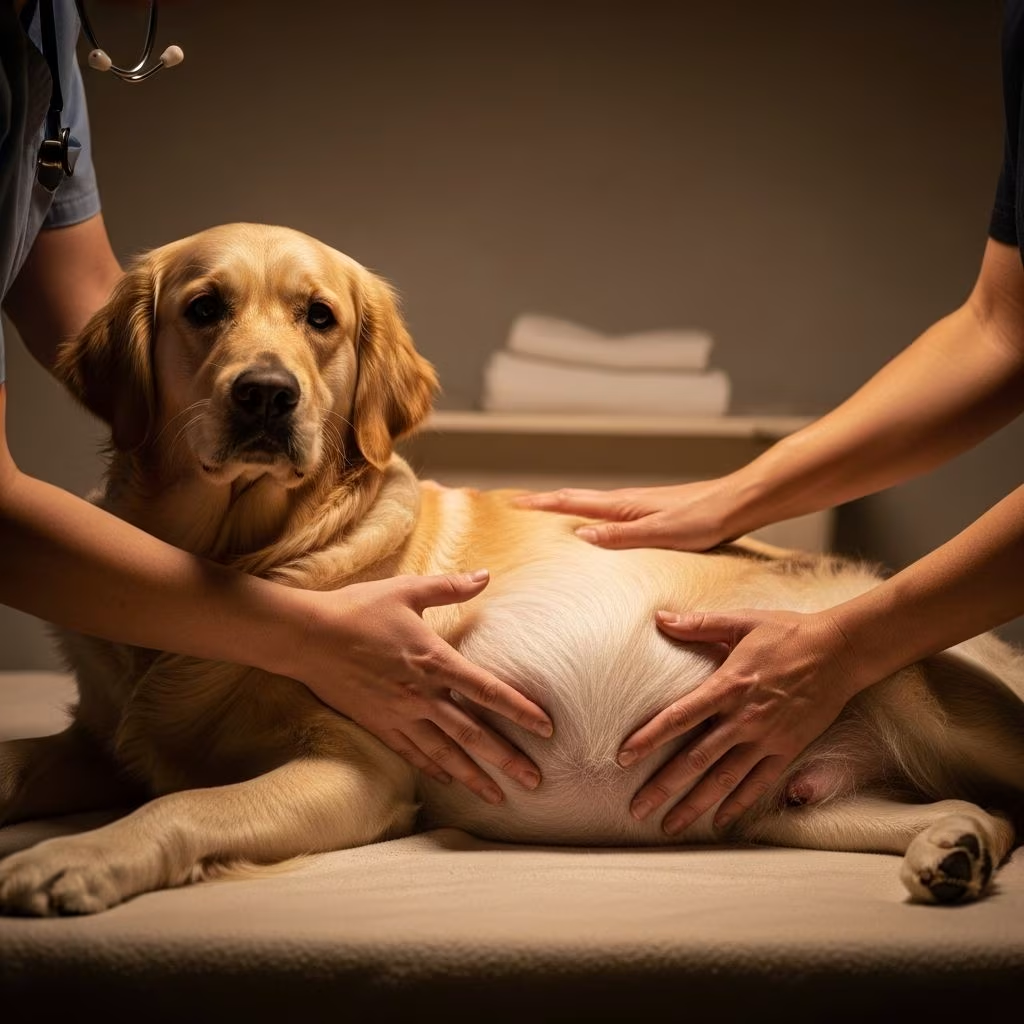
Welcoming a litter of puppies into your home is an exciting milestone for any dog owner. Understanding the birthing process, known as whelping, equips you to support your pregnant dog effectively. This guide details the physiological stages, observable behaviors, preparation steps, and potential complications, drawing from veterinary insights to ensure a positive outcome for mother and pups.
Recognizing the Onset of Labor
Before active labor begins, subtle changes signal that whelping is imminent. Monitoring your dog’s rectal temperature is a reliable indicator; a drop below 100°F (37.8°C), typically 24 hours prior, marks the start of preparations. Other early cues include loss of appetite, restlessness, and increased panting or shivering.
- Temperature decline: Chart daily readings in the final week; labor follows within a day of the dip.
- Behavioral shifts: Pacing, whining, or hiding as discomfort builds.
- Physical signs: A firm abdomen from initial contractions 48-72 hours ahead, sometimes with vomiting to clear the system.
These pre-labor indicators allow time to finalize your setup without panic. First-time mothers may show prolonged anxiety, extending this phase up to 36 hours.
Stage 1: Preparation and Initial Contractions
The first phase focuses on cervical dilation and uterine contractions, invisible externally but causing visible distress. Lasting 6-12 hours on average, it can stretch to 36 hours in nervous or primiparous dogs. Your dog may dig frantically, refuse food, or produce clear vaginal discharge.
Provide a quiet environment to minimize stress. Offer ice chips if vomiting occurs to prevent dehydration. Panting escalates as hormones surge, positioning puppies head-first or tail-first—both normal. Track time from the temperature drop; progression to visible straining heralds stage 2.
| Sign | Duration/Timing | Owner Action |
|---|---|---|
| Restlessness & Nesting | 6-12 hours | Secure whelping box |
| Vomiting/Panting | Intermittent | Monitor hydration |
| Abdomen Firming | 48-72 hours pre-labor | Alert vet if prolonged |
Stage 2: Active Delivery of Puppies
Strong, visible contractions define this phase, culminating in puppy births. Each pup arrives every 30-60 minutes after 10-30 minutes of straining, with total labor spanning 3-12 hours. The first puppy may take 1-2 hours if contractions are mild.
Mothers often pause between deliveries, even for hours, as long as no distress shows. Puppies emerge in an amniotic sac, which the dam instinctively tears to clear airways and consume for nutrition—though excess can cause digestive upset. Tail-first presentations occur frequently without issue.
- Normal progress: Clear, red, or yellow discharge accompanies efforts.
- Breaks: Up to 4 hours acceptable if mother rests comfortably.
- Puppy care: Dry with towels, ensure breathing; place near nipples for colostrum.
Count puppies against ultrasound estimates to confirm completion.
Stage 3: Placenta Expulsion and Cleanup
Interwoven with stage 2, this involves passing each placenta 5-30 minutes post-puppy. Numbers must match births; retained ones risk infection. Dogs may eat placentas instinctively, safe in moderation but monitor for diarrhea.
Fluctuations between stages 2 and 3 continue until the litter is complete. Post-delivery, the mother cleans pups, stimulating respiration and bonding.
Preparing the Whelping Environment
A dedicated whelping box prevents accidents and provides security. Line with clean, absorbent materials like towels or puppy pads, ensuring easy access for the dam and space for growing pups.
Ideal setup: Low sides (12-18 inches), heated pad for newborns (85-90°F initially, dropping gradually), dim lighting, and isolation from household noise. Stock supplies: Bulb syringe for mucus, iodine for umbilical cords, digital scale for weights, and records sheet. Introduce the box days before due date to encourage nesting.
Potential Complications and When to Call the Vet
Most whelpings proceed smoothly, but vigilance saves lives. Intervene if:
- Straining >30-60 minutes without progress.
- Green/black discharge pre-first puppy (placental separation).
- Breaks >4 hours post-puppy with no further activity.
- Mother’s excessive pain, lethargy, or fever.
- Puppy stuck, pale, or non-breathing.
Contact your vet immediately; C-sections resolve 90% of dystocias. Pre-arrange an emergency contact.
| Issue | Timeline | Vet Urgency |
|---|---|---|
| No puppy in 2 hours of stage 2 | Early labor | High |
| Prolonged gap (>4 hrs) | Mid-labor | High |
| Foul discharge | Any stage | Immediate |
Newborn Puppy Care Essentials
Freshly born pups need warmth (95-99°F first week), nursing within hours for immunity-rich colostrum, and umbilical dipping in iodine. Weigh daily; failure to gain signals issues. Stimulate weak pups by rubbing gently.
Mother’s milk production ramps up day 3; supplement if needed per vet advice. Watch for mastitis (swollen glands) or eclampsia (milk fever: tremors, restlessness).
Post-Whelping Recovery for Mother and Pups
Monitor dam for bleeding (spotting normal 1-3 weeks), appetite return (24-48 hours), and bonding. Limit visitors first week to prevent stress or disease. Pups’ eyes open at 10-14 days; weaning starts week 3-4.
Schedule vet check 24-48 hours post-birth for deworming, vaccines planning, and health assessment. Nutrition: High-calorie diet for lactation.
Frequently Asked Questions (FAQs)
How long does dog labor last?
Total whelping averages 12-24 hours, with stage 1 up to 12 hours, stage 2 per puppy 30-60 minutes.
Can I help deliver puppies?
Only if trained; otherwise, support and call vet. Break sac if mom doesn’t, clear mouth gently.
What if my dog eats placentas?
One or two is fine; more may upset stomach. Count to ensure none retained.
Is tail-first birth normal?
Yes, common in dogs; no intervention needed unless prolonged.
When can puppies leave mom?
Minimum 8 weeks for health and socialization.
References
- 10 Signs of a Dog in Labor — Emergency Veterinary Care Centers. 2023. https://evcc.com/blog/10-signs-dog-in-labor/
- Whelping: A Guide To Help Your Dog Through Labor — PetMD. 2024-02-15. https://www.petmd.com/dog/general-health/whelping
- Labor and delivery in dogs — The Cove Center of Veterinary Expertise. 2023. https://thecovevets.com/blog/labor-delivery-in-dogs-what-to-expect-when-your-dogs-expecting/
- Pregnancy and Birthing — Almost There Rescue. 2022. https://www.almostthererescue.org/pregnancy-and-birthing/
- The Stages of Dog Labour — Everypaw. 2024. https://www.everypaw.com/all-things-pet/signs-of-labour-in-dogs



