

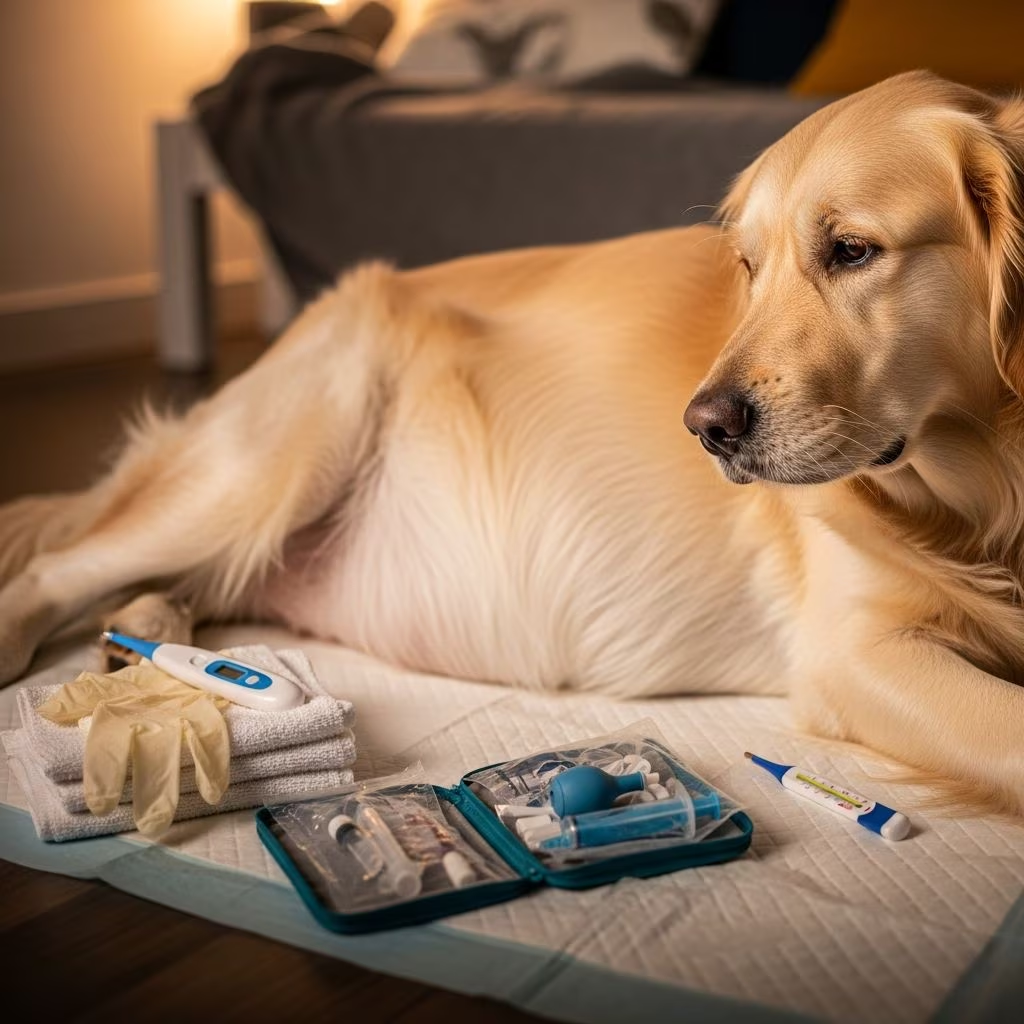
Welcoming a litter of puppies into your home is an exciting milestone for any dog owner. Recognizing the early indicators that your pregnant dog is approaching labor helps you provide the right support and know when professional intervention might be needed. This guide explores the physiological and behavioral cues, labor progression, and essential preparations to ensure a positive outcome for both mother and pups.
Understanding Canine Pregnancy Timeline
Dog pregnancies typically last 63 days from the date of breeding, though this can vary slightly by breed and individual health. Owners should track the due date closely, as going beyond 65-67 days warrants immediate veterinary attention. During the final week, subtle changes begin to signal that whelping— the term for canine birth—is imminent.
Monitoring tools like a whelping box, thermometer, and calendar become invaluable. A comfortable, quiet space prepared in advance reduces stress for the dam (the mother dog).
Primary Physical Indicators of Impending Labor
Several reliable physical signs emerge 24-48 hours before active labor. These are rooted in hormonal shifts, particularly rising oxytocin and prostaglandins, which trigger uterine contractions and cervical dilation.
- Temperature Decline: A dog’s normal rectal temperature ranges from 101-102.5°F. A drop below 100°F, often to 98-99°F, is one of the most consistent pre-labor signals, usually occurring 12-24 hours prior. Chart daily temperatures starting at day 58 to catch this change.
- Mammary Gland Swelling: The nipples enlarge and may leak colostrum, the first milk rich in antibodies for newborns. This engorgement prepares for nursing and often appears 2-5 days before birth.
- Vulvar Discharge and Licking: Clear or mucoid discharge from the vulva prompts excessive licking to maintain hygiene. This accompanies cervical softening.
- Abdominal Firmness: The belly hardens due to initial contractions, which may start 48-72 hours early. Gentle palpation reveals a taut uterus.
Behavioral Changes Signaling Labor Approach
Dogs exhibit distinct personality shifts as labor nears, driven by discomfort and instinct. These can vary by temperament and experience—first-time mothers may show more anxiety.
| Behavior | Description | Timing |
|---|---|---|
| Nesting Instinct | Digging, circling, or rearranging bedding to create a den-like space. | 12-48 hours before labor |
| Restlessness or Pacing | Frequent position changes, whining, or inability to settle. | 24 hours prior |
| Appetite Loss | Refusal of food, though water intake should continue. | Day of labor onset |
| Clinginess or Withdrawal | Seeking owner proximity or hiding away. | Variable, breed-dependent |
| Panting and Shivering | Rapid breathing or tremors from pain or hormonal surges. | Stage 1 labor |
These behaviors peak during stage 1, lasting 6-12 hours on average.
Three Stages of Dog Labor Explained
Canine whelping divides into three phases, each with distinct signs and durations. Total labor spans 3-24 hours, influenced by litter size, breed (e.g., brachycephalic breeds like Bulldogs face higher risks), and parity.
- Stage 1: Preparation (6-12 hours): Invisible contractions dilate the cervix. Visible signs include panting, vomiting, and anxiety. No puppies yet—patience is key.
- Stage 2: Active Delivery (15-60 minutes per puppy): Strong visible contractions push pups out, often in a fluid sac. The mother severs the umbilical cord. Intervals under 2 hours are normal.
- Stage 3: Placental Expulsion (15-30 minutes post-pup): Membranes pass after each puppy. Count placentas to match litter size, preventing infection.
Litters average 5-6 puppies, but small breeds may have fewer. X-rays around day 55 confirm numbers.
Essential Preparations for Whelping Day
Proactive setup minimizes complications. Assemble a whelping kit with towels, scissors (sterilized), bulb syringe for airways, heat source (like a lamp for chilled pups), and scales for weighing newborns.
- Choose a low-traffic room with dim lighting and temperatures around 75-80°F.
- Line the box with clean, absorbent materials; avoid slippery surfaces.
- Have your vet’s emergency contact ready—many offer 24/7 whelping support.
- Stock puppy formula and bottles as backups.
For novice owners, a whelping camera provides remote monitoring without intrusion.
Recognizing Normal vs. Problematic Labor
While most births proceed smoothly (over 90% without aid), vigilance prevents dystocia (difficult birth). Call a vet if:
- Temperature drops but no labor in 24 hours.
- Stage 1 exceeds 24 hours.
- Strong contractions >30-60 minutes without a pup.
- Intervals >2-4 hours between pups with more expected.
- Foul, bloody discharge; excessive lethargy; or green discharge sans puppy.
- Mother in distress, weak pups, or stillbirths.
Risk factors include large litters, oversized pups, uterine inertia (exhausted contractions), or prior whelping issues. Breeds like Boston Terriers or Great Danes are prone.
Post-Whelping Care for Mother and Pups
After delivery, ensure the dam bonds with her litter. Monitor for mastitis (inflamed glands) or metritis (uterine infection)—signs include fever, foul discharge, or puppy rejection.
- Weigh pups daily; gains of 10-20% body weight signal health.
- Provide high-calorie food and unlimited water.
- Vet checkup within 24-72 hours confirms all is well.
Puppies’ eyes open at 10-14 days; first deworming at 2 weeks.
FAQs: Common Questions on Dog Labor
What if my dog goes into labor at night?
Stay calm and nearby. Most handle it independently, but prepare lights and phone. Night births are common.
Can I assist with delivery?
Only if trained—gently break sacs, rub pups dry. Never pull on pups during contractions.
How do I know litter size beforehand?
Ultrasound (day 28-35) or X-ray (day 55+) from your vet.
Is C-section common?
About 10-15% of cases, especially in flat-faced breeds.
When can puppies leave mom?
No earlier than 8 weeks for proper socialization.
Armed with this knowledge, you’re equipped to support your dog through labor. Consult breed-specific resources and your veterinarian for tailored advice.
References
- 10 Signs of a Dog in Labor — Emergency Veterinary Care Centers. 2023. https://evcc.com/blog/10-signs-dog-in-labor/
- Your Pregnant Dog: Signs of a Troubled Labor — Ann Arbor Animal Hospital. 2024. https://annarboranimalhospital.com/blog/your-pregnant-dog-signs-of-a-troubled-labor/
- Recognizing Signs of Stage 1 Labor in Dogs — Bellylabs. 2023. https://belly-labs.com/blogs/science/recognizing-signs-of-stage-1-labor-in-dogs
- 6 Signs of a Dog in Labor — Veterinary Emergency Group. 2024. https://www.veg.com/post/6-signs-of-a-dog-in-labor
- Everything You Need to Know About Birthing Puppies — Noah Vets. 2025. https://www.noahvets.com/everything-you-need-to-know-about-birthing-puppies/



