

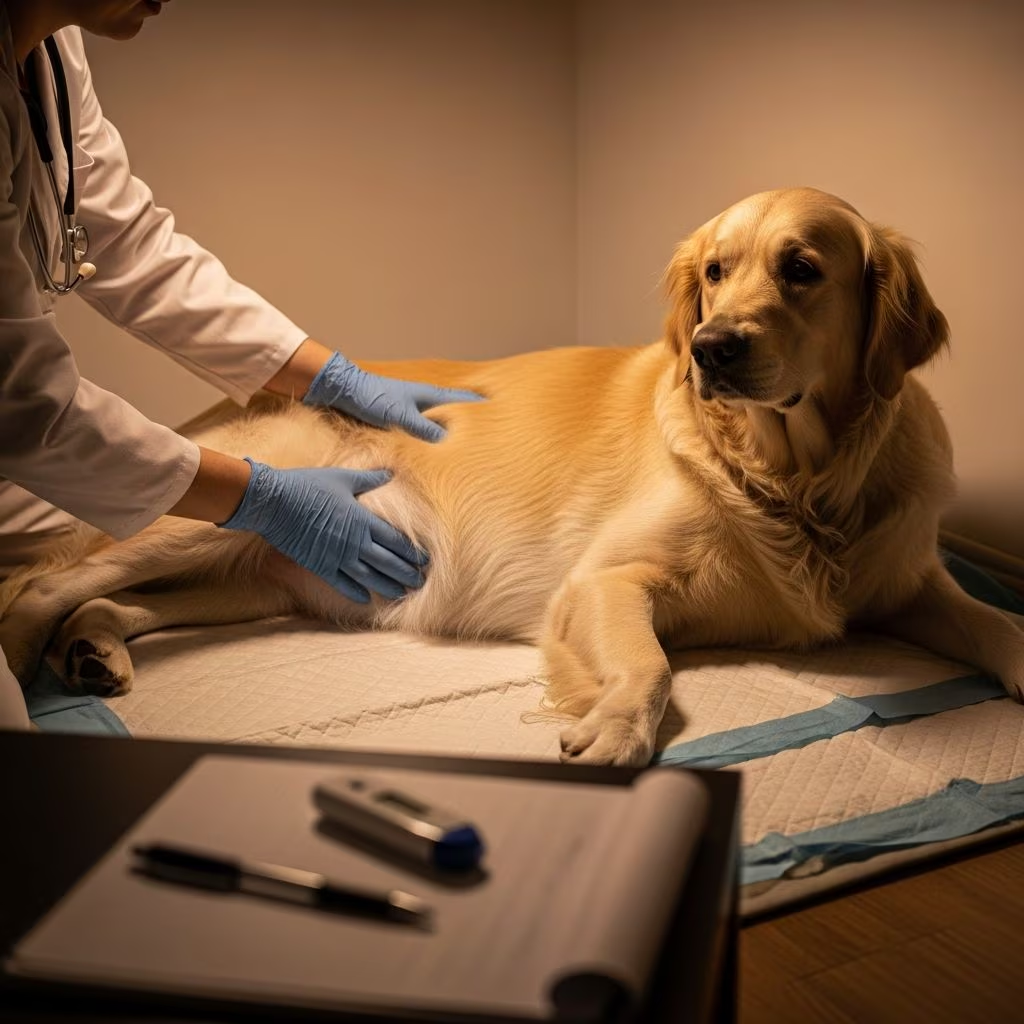
When your female dog approaches the final stage of pregnancy, her body undergoes significant transformations that signal the imminent arrival of puppies. Recognizing these changes allows dog owners and breeders to prepare adequately and ensure proper care during the whelping process. Understanding what to expect helps reduce anxiety and enables timely intervention if complications arise during labor.
The Critical Role of Temperature Monitoring
One of the most reliable physiological indicators that labor is approaching involves a noticeable decline in your dog’s internal body temperature. A healthy, non-pregnant dog maintains a baseline temperature between 101-102°F (38.3-38.9°C). As labor approaches, this temperature typically drops to approximately 98.6°F (37°C) or even lower. This temperature reduction represents a hormonal shift in the dog’s body triggered by decreasing progesterone levels, which signals the uterus to prepare for contractions.
The timing of this temperature drop carries significant importance for predicting labor onset. Most dogs will enter active labor within 12-24 hours following this temperature decrease. Monitoring your dog’s temperature using a rectal thermometer during the final weeks of pregnancy establishes a baseline, making it easier to identify when the temperature has dropped sufficiently to indicate imminent labor. Recording temperature readings twice daily during the final week of gestation helps you anticipate the delivery window more accurately.
Recognizing Nesting Behaviors and Environmental Preparation
Pregnant dogs exhibit distinct behavioral changes as they instinctively prepare for birth. One prominent behavior involves nesting—an inherent drive to create a safe, comfortable space for delivery and newborn puppies. Dogs engaging in nesting behavior may display several characteristic actions:
- Gathering and arranging bedding materials, blankets, or towels
- Digging or pawing at their whelping area repeatedly
- Seeking out secluded, quiet spaces within the home
- Shredding or tearing at available fabric materials
- Arranging and rearranging the designated birthing location multiple times
This nesting instinct typically emerges 6-12 hours before active labor begins, though in some cases it may commence 24-36 hours earlier. Understanding that this behavior reflects normal, healthy preparation helps owners avoid mistaking it for anxiety or distress. Providing a designated whelping box lined with clean, washable materials allows your dog to satisfy this nesting urge safely while maintaining a hygienic environment for birth.
Appetite Changes and Gastrointestinal Shifts
As labor approaches, pregnant dogs frequently experience reduced interest in food consumption. This appetite decline stems from multiple physiological factors, including hormonal fluctuations, increased abdominal pressure from the developing puppies, and the body’s natural preparation for the physical demands of labor. Some dogs refuse meals entirely, while others show selective interest or eat significantly smaller portions than usual.
In addition to appetite loss, mild gastrointestinal upset may occur. Some pregnant dogs experience nausea and vomiting in the hours preceding labor. This response is not necessarily indicative of illness but rather reflects the body’s adjustment to impending parturition. While some vomiting is considered normal, owners should ensure their dogs maintain adequate hydration by providing fresh water regularly throughout this period.
Behavioral Indicators and Emotional Changes
Beyond physical symptoms, pregnant dogs demonstrate noticeable behavioral shifts that signal labor’s proximity. Restlessness represents one of the most observable changes, with dogs exhibiting increased pacing, inability to settle in a comfortable position, and constant repositioning. This restlessness often accompanies other physical signs, with dogs appearing uncomfortable or anxious as contractions begin.
Accompanying restlessness, many dogs display increased panting and rapid breathing rates that exceed their normal baseline. This hyperventilation results from both physical discomfort and the exertion required as uterine contractions intensify. Some dogs vocalize more than usual, whining or whimpering, which reflects either physical sensations or emotional responses to the impending labor.
Attention-seeking behavior frequently increases as labor approaches. Dogs that are ordinarily independent may seek constant proximity to their owners, appearing clingy or demanding reassurance through physical contact. Conversely, some dogs prefer isolation and actively seek out quiet, dark spaces where they feel secure preparing for birth.
Physical Manifestations and Bodily Changes
As labor draws closer, several observable physical changes occur beyond temperature reduction. The vulva swells noticeably in preparation for delivery, and some dogs may experience mild vaginal discharge as the cervix begins dilating. Additionally, the abdominal wall often appears or feels noticeably firm or hardened due to uterine contractions, which may be visible through gentle palpation or observation of the abdomen’s appearance.
Shivering represents another common physical response during the early stages of labor, particularly as contractions intensify. While shivering can reflect several conditions, when occurring in the context of other labor indicators within the expected pregnancy timeline, it typically represents a normal physiological response to the body’s preparations for delivery.
Understanding the Three Stages of Canine Labor
Recognizing which stage of labor your dog has entered helps determine whether immediate veterinary intervention is necessary. Canine labor progresses through three distinct phases:
| Labor Stage | Duration | Key Characteristics |
|---|---|---|
| Stage One | 6-12 hours (can extend to 24-36 hours) | Uterine contractions, cervical dilation, nesting behavior, restlessness, temperature drop |
| Stage Two | 45-60 minutes per puppy | Intense contractions, visible straining, delivery of puppies, possible water sac rupture |
| Stage Three | 15-30 minutes per placenta | Delivery of placental tissue following each puppy |
Stage One labor represents the longest phase, during which the cervix dilates and contractions intensify. Dogs in this stage display the behavioral and physical signs previously described—nesting, restlessness, panting, and discomfort. During this stage, visible puppies have not yet been delivered, which can create uncertainty for owners unfamiliar with the process. Understanding that Stage One labor typically lasts 6-12 hours before active delivery begins helps owners distinguish between normal preparation and potential complications.
When to Contact Your Veterinarian
While most canine deliveries proceed normally, certain circumstances warrant immediate veterinary consultation. Owners should contact their veterinarian if any of the following situations occur:
- Pregnancy has continued beyond 63 days without labor onset
- Stage One labor persists longer than 24 hours without any puppy delivery
- Visible, strong contractions continue for 30 minutes or more without puppy delivery
- More than four hours elapse between puppy deliveries when additional puppies remain to be delivered
- Vaginal discharge appears foul-smelling, excessively bloody, or contains pus
- The dog exhibits excessive vomiting or appears extremely lethargic during labor
- Signs of severe pain, distress, or behavioral changes occur that seem abnormal
Post-delivery monitoring remains equally important. After all puppies and placentas have been delivered, contact your veterinarian if the mother exhibits fever, loses appetite, appears lethargic, shows disinterest in puppies, or demonstrates signs of calcium deficiency including muscle twitching or stiff gait.
Preparation Strategies for the Whelping Process
Knowing the signs of impending labor allows you to implement practical preparation measures. Establish a designated whelping area weeks before the expected delivery date, using a quiet, low-traffic location that provides privacy and security. Set up a whelping box with clean, washable bedding that your dog can arrange according to her nesting instincts.
Maintain your veterinarian’s contact information and discuss emergency protocols well before labor begins. Inform your vet of your dog’s expected delivery date and ask about signs that warrant after-hours emergency care. Some veterinarians prefer to examine pregnant dogs as labor approaches to assess fetal positioning and identify potential complications in advance.
Document your dog’s baseline temperature readings during the final weeks of pregnancy, establishing clear evidence of when significant drops occur. Keep a record of appetite changes, behavioral modifications, and other observable signs, noting their timing relative to temperature fluctuations. This documentation assists your veterinarian in assessing whether your dog’s labor progression follows normal patterns.
Frequently Asked Questions About Canine Labor Signs
How long before labor will my dog’s temperature drop?
Temperature drops typically occur 12-24 hours before active labor begins. Most dogs will enter Stage One labor within this timeframe, though variations exist among individual animals.
Is loss of appetite always a sign of impending labor?
Loss of appetite can indicate labor, but it may also reflect other conditions. When occurring in conjunction with other signs—temperature drops, nesting behavior, restlessness—appetite loss strongly suggests labor is approaching.
What should I do if my dog stops eating during labor?
Ensure fresh water remains constantly available to prevent dehydration. Most dogs resume eating after delivery and rest. If a dog shows no interest in eating or drinking after labor concludes, contact your veterinarian.
Can I rely solely on temperature to predict labor?
While temperature is one of the most reliable indicators, it should not be the only criterion. Use temperature monitoring in conjunction with observation of behavioral changes, nesting activity, and other physical signs for the most accurate prediction.
How many puppies should I expect?
Litter size varies considerably depending on breed, dam age, and genetics. Ultrasound examination during pregnancy provides the most accurate estimate of puppy count, which helps you verify after delivery that all placentas have been delivered.
References
- Recognizing Signs of Stage 1 Labor in Dogs — Bellylabs. 2024. https://belly-labs.com/blogs/science/recognizing-signs-of-stage-1-labor-in-dogs
- Everything You Need to Know About Birthing Puppies — Noah Vets. 2024. https://www.noahvets.com/everything-you-need-to-know-about-birthing-puppies/
- Dog Labor Signs & Puppy Delivery Stages Explained — Purina US. 2024. https://www.purina.com/articles/dog/health/pregnancy/labor-and-giving-birth
- 10 Signs of a Dog in Labor — Emergency Veterinary Care Centers. 2024. https://evcc.com/blog/10-signs-dog-in-labor/
- The Normal Whelping Process — Cornell University College of Veterinary Medicine, Riney Canine Health Center. 2024. https://www.vet.cornell.edu/departments-centers-and-institutes/riney-canine-health-center/canine-health-topics/normal-whelping-process
- Signs Your Dog Is Pregnant and What You Can Do To Help — PetMD. 2024. https://www.petmd.com/dog/general-health/dog-pregnancy



