Dog Knuckling: Causes, Signs, and Solutions
Discover why dogs knuckle their paws, from neurological issues to simple injuries, and learn effective treatments to improve mobility.
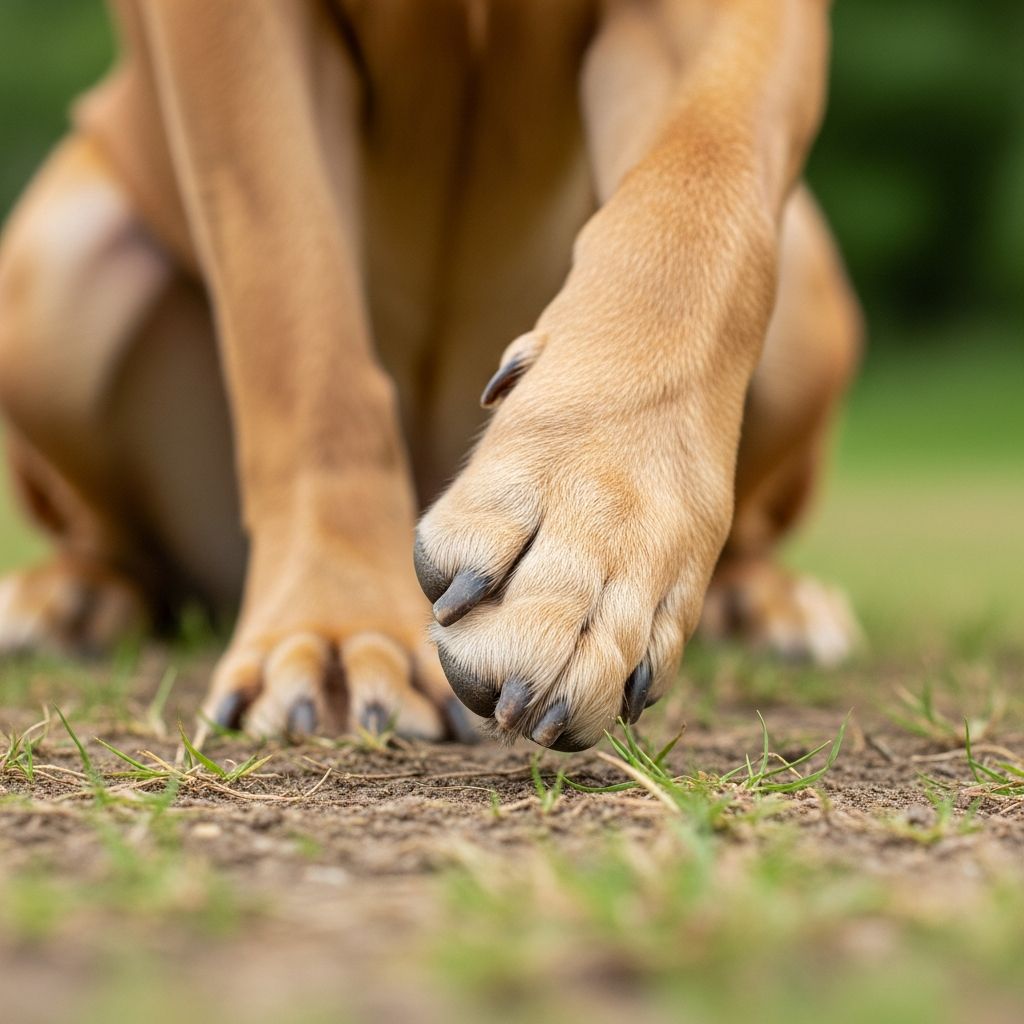
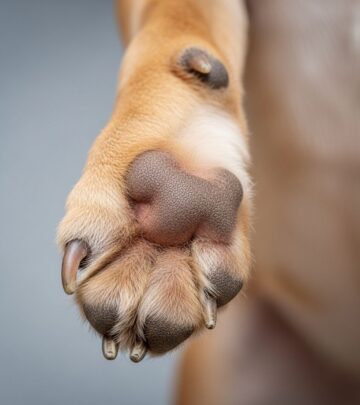
Knuckling occurs when a dog walks on the top of its paw instead of the pads, often dragging the foot or showing poor coordination. This gait abnormality can affect one or more limbs and points to underlying issues ranging from minor injuries to serious neurological conditions. Early detection is crucial for effective intervention, as it can prevent further damage and improve quality of life.
Recognizing the Signs of Knuckling
Observe your dog’s movement closely during walks or play. Common indicators include the paw folding under at the knuckles, scraping toes on the ground, or an unsteady, wobbly stride. You might notice scuffed nails, worn fur on the dorsal paw, or reluctance to bear weight on the affected limb. In severe cases, dogs may stumble frequently or avoid activity altogether.
- Paw positioning: Top of foot contacts ground first.
- Gait changes: Dragging, limping, or crossing legs.
- Associated symptoms: Weakness, pain cries, or balance loss.
These signs differ by age; puppies may show temporary knuckling from growth spurts, while seniors often exhibit it due to age-related decline.
Primary Causes in Adult Dogs
Neurological problems dominate in mature dogs, disrupting signals from brain to muscles. Intervertebral disc disease (IVDD) is prevalent, where spinal discs herniate, compressing the cord and causing sudden weakness or paralysis, often after jumping or running. Dogs may yelp initially then drag paws without ongoing pain.
Degenerative myelopathy progresses slowly, starting with hind limb ataxia and advancing to full paralysis, commonly in breeds like German Shepherds. Fibrocartilaginous embolism (FCE), or spinal stroke, strikes abruptly, leading to non-painful knuckling. Other culprits include tumors, infections, or trauma damaging nerves or cord.
| Condition | Affected Limbs | Onset | Pain Level |
|---|---|---|---|
| IVDD | Rear or all | Sudden | High initially |
| Degenerative Myelopathy | Hind first | Gradual | Low |
| FCE (Spinal Stroke) | One side | Sudden | None after onset |
Knuckling Specifics in Puppies
Puppies knuckle more from developmental factors than neurology. Rapid growth can strain tendons and ligaments, causing flexural deformities where paws bend abnormally. Nutritional imbalances, like excess minerals, weaken support structures, while slippery floors exacerbate poor footing.
Genetics play a role in breeds prone to angular limb deformities. Injuries, sore paws, or muscle imbalances between flexors and extensors contribute too. Unlike adults, puppy cases often resolve with conservative care if addressed promptly.
Diagnostic Approaches
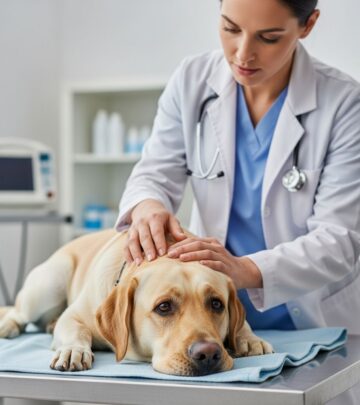
Veterinarians start with a full exam, testing reflexes, proprioception, and pain response. Normal X-rays rule out fractures but miss soft tissue issues; MRI or CT scans confirm spinal problems like IVDD or FCE. Bloodwork checks for metabolic causes, and neurologist referral is common for complex cases.
- Neurological assessment: Paw placement tests.
- Imaging: MRI for cord visualization.
- Radiographs: Bone evaluation.
Treatment Strategies for Knuckling
Tailor treatments to the cause. For IVDD, mild cases need crate rest (4-6 weeks), NSAIDs, and pain meds like gabapentin; surgery decompresses severe herniations. Degenerative myelopathy lacks a cure but benefits from PT and antioxidants.
Supportive therapies enhance recovery across conditions:
- Medications: Anti-inflammatories, muscle relaxants.
- Physical therapy: Strength exercises, balance training.
- Alternative options: Laser, acupuncture, hydrotherapy.
Surgical fixes address deformities or tumors, with rehab following.
Home Management and Aids
Assist daily mobility while awaiting vet care. Toe grips provide traction, preventing drags; booties protect skin. Mobility harnesses or carts support weak legs, and yoga mats cover slippery areas.
Maintain ideal weight to reduce joint stress, use ramps for stairs, and ensure warm environments, as cold stiffens muscles. Consistent short walks build strength without overexertion.
| Aid Type | Benefit | Suitable For |
|---|---|---|
| Toe Grips | Improves paw awareness | All knuckling dogs |
| Wheelchair/Cart | Full mobility | Paralyzed hind limbs |
| Booties | Skin protection | Paw draggers |
Prevention Tips for Healthy Paws
Proactive steps minimize risks. Provide balanced puppy diets avoiding over-supplementation. Encourage play on stable surfaces, limit high-impact activities during growth phases, and monitor weight in seniors.
Regular vet checkups catch early degeneration, and breed-specific screenings help. Strength training via controlled exercise preserves muscle tone.
When to Seek Emergency Care
Rush to the ER if knuckling appears suddenly with paralysis, incontinence, or yelps. These signal acute events like FCE or severe IVDD needing immediate imaging and possible surgery. Delays worsen prognosis.
Frequently Asked Questions (FAQs)
Can knuckling in dogs be cured?
Depends on cause; developmental puppy cases often resolve, while degenerative ones are managed lifelong. Acute issues like IVDD respond well to timely surgery.
Is knuckling always neurological?
No, injuries or weakness can mimic it, but neurology is common in adults.
How much does IVDD surgery cost?
Varies by location; expect $3,000-$8,000 including rehab.
Are certain breeds more prone?
Yes, Dachshunds (IVDD), German Shepherds (myelopathy).
Can I treat knuckling at home?
Supportive aids yes, but diagnose professionally first.
Long-Term Outlook and Support
Many dogs adapt excellently with aids and therapy, enjoying active lives. Owners report improved confidence post-intervention. Join support groups for tips on carts and exercises. Monitor progress, adjusting as needed.
Knuckling demands prompt action but yields positive outcomes with proper care. Consult vets for personalized plans.
References
- Knuckling in Dogs: Causes and Ways to Help Your Dog — ToeGrips. 2023-10-15. https://toegrips.com/knuckling-in-dogs/
- Knuckling in Dogs: What It Means and When to See a Neurologist — Southeast Veterinary Neurology. 2023-05-20. https://sevneurology.com/blog/knuckling-in-dogs
- Puppy Knuckling: Causes & Ways to Help Your Dog — SCAC Vet Street. 2024-06-30. https://www.scacvetstreet.com/site/blog/2024/06/30/puppy-knuckling
- Knuckling in Puppies: Causes & Ways to Help Your Puppy — Pet Vet Care Centers. 2022-10-30. https://www.petvetcarecenters.com/site/blog/2022/10/30/knuckling-puppies
Similar Articles



Read full bio of medha deb