

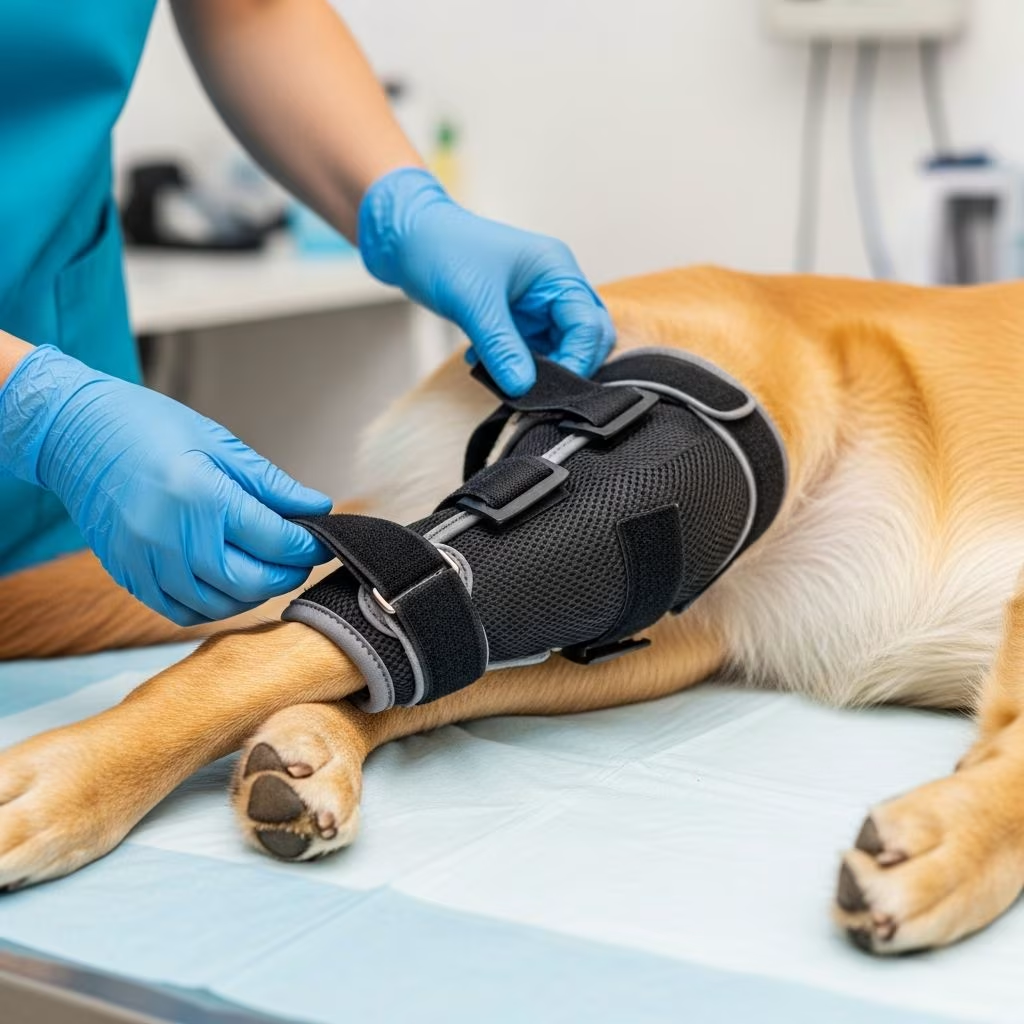
When your dog experiences a knee injury, the path to recovery involves more than just rest. A well-fitted knee brace can be instrumental in supporting the healing process, reducing pain, and preventing further damage. Understanding how to select and fit the right brace for your dog’s specific needs is essential for achieving the best possible outcome during rehabilitation.
Understanding Canine Knee Injuries and Brace Support
The canine knee joint, also known as the stifle, is one of the most complex joints in a dog’s body. Injuries to this area—particularly those affecting the cranial cruciate ligament (CCL)—are among the most common orthopedic problems veterinarians treat. When this ligament becomes damaged or torn, the knee joint loses stability, leading to pain, limping, and reduced mobility.
Knee braces work by stabilizing the joint and limiting excessive movement that can prevent healing. Unlike surgery, which is invasive and costly, conservative management with braces offers a non-surgical alternative that allows dogs to maintain mobility while their injuries recover. The brace functions as an external support system, mimicking the role of the damaged ligament by controlling the forward slide of the tibia relative to the femur.
How to Measure Your Dog for a Knee Brace
Accurate measurements are crucial for ensuring your dog’s brace fits properly and functions effectively. An ill-fitting brace can cause discomfort, restrict movement inappropriately, or fail to provide adequate support.
Essential Measurements
- Leg circumference: Measure around the thigh above the knee joint at its widest point using a soft measuring tape
- Knee width: Measure across the knee joint itself to determine the brace’s anterior-posterior depth
- Lower leg circumference: Measure around the lower leg below the knee to ensure the brace straps won’t slip
- Leg length: Measure from the hip joint to the foot pad to determine overall brace length
- Weight and breed: Document your dog’s current weight and breed, as these factors influence brace design and material selection
Brace Types and Their Applications
Several categories of knee braces are available, each designed for different injury severity levels and recovery stages.
Standard Compression Braces
These basic braces provide mild to moderate support through compression and are most suitable for minor inflammation or mild strains. They are affordable and easy to apply, making them popular for dogs with non-severe injuries. However, they lack the mechanical support necessary for complete ligament tears and may not be sufficient for dogs requiring more robust stabilization during the healing process.
Hinged Knee Braces
Hinged braces represent a significant advancement in non-surgical treatment options. These braces incorporate specialized joints that allow controlled movement while preventing harmful motions like tibial drawer—the forward sliding of the tibia that inhibits scar tissue formation. The hinged design mimics natural knee motion, reducing stress on the joint while maintaining the dog’s ability to walk and engage in light activity. This type of brace is particularly effective for partial or complete CCL tears and for dogs recovering from knee surgery.
Custom-Fit Braces
Tailored to your individual dog’s anatomy and injury profile, custom braces offer the highest level of precision support. These are created using detailed measurements or even physical molds of your dog’s leg. While they represent the most expensive option, custom braces provide superior fit, reduced slippage, and long-lasting durability. They are ideal for large breed dogs, those with multiple joint issues, or cases where standard options have proven ineffective.
Key Components of a Properly Fitted Brace
A quality dog knee brace includes several functional elements that work together to support healing:
- Primary support structure: The main body of the brace that wraps around the knee and provides compression
- Specialized hinges: Medical-grade joints that closely match your pet’s natural joint motion and flexibility, reducing pressure and strain on actual joints
- Tibial strap: A component that holds the tibia in place, preventing forward movement that can damage healing tissue
- Cushioning padding: Foam materials that provide comfort and distribute pressure evenly across the leg
- Adjustable closures: Velcro straps or buckles that allow fine-tuning of the brace tension throughout the recovery process
The Fitting Process: Step-by-Step
Initial Fitting
When you first place the brace on your dog’s leg, it should fit snugly without being so tight that it restricts circulation. You should be able to slip one finger comfortably between the brace and your dog’s skin. Check that the brace is centered on the knee joint and that all straps are fastened evenly. Your dog may feel awkward initially, so allow a brief adjustment period in a safe environment before attempting normal activities.
Monitoring for Proper Fit
After the initial fitting, observe your dog’s gait and behavior. The brace should allow natural walking without causing your dog to drag or hold the leg in an unnatural position. Signs of improper fit include excessive limping, attempts to shake off the brace, skin irritation, or swelling above or below the brace area. These indicators suggest adjustment is needed.
Fine-Tuning and Adjustments
Most braces allow for tension adjustments as your dog’s condition evolves. During the acute phase of injury, you may want slightly firmer compression. As healing progresses, you can gradually loosen the brace slightly to encourage progressive loading and muscle engagement. Regular veterinary check-ups should guide these adjustments, ensuring the brace continues to provide optimal support without impeding recovery.
Preventing Secondary Injuries Through Bilateral Support
One critical consideration in knee brace fitting is the impact on your dog’s uninjured leg. Dogs naturally compensate for pain by favoring the injured limb, placing excessive stress on the opposite leg. This can lead to the previously-healthy leg deteriorating and developing problems like arthritis. Double knee braces are often recommended to support both legs simultaneously, distributing weight evenly and preventing secondary injury. This approach promotes balanced healing and reduces the risk of compounding your dog’s orthopedic challenges.
Activity Guidelines While Wearing a Brace
Proper brace use extends beyond just fitting—how your dog uses the brace during daily activities significantly impacts recovery outcomes.
- Encourage modest mobility during brace wearing to boost recovery and help with muscle strengthening
- Restrict jumping, running, and climbing stairs during the acute injury phase
- Use a harness or support device when lifting your dog to reduce pressure on the injured joint
- Maintain regular short walks to promote circulation and prevent muscle atrophy
- Avoid wet or muddy conditions that could compromise brace integrity or cause slipping
- Schedule periodic activity adjustments based on veterinary guidance and your dog’s progress
Maintenance and Care of the Brace
Extending your brace’s lifespan and maintaining its effectiveness requires consistent care:
- Cleaning: Gently hand wash the brace with mild soap and water after activities, particularly if your dog has been outside
- Drying: Allow the brace to air dry completely before replacing it on your dog’s leg to prevent skin irritation
- Padding inspection: Regularly check cushioning materials for compression or damage that could reduce comfort
- Strap condition: Examine Velcro and buckles for wear, replacing them if they no longer hold securely
- Hinge functionality: Test that hinged components move freely and aren’t stiff or damaged
Common Fitting Mistakes to Avoid
Understanding what not to do is just as important as knowing proper fitting techniques. Avoid these common errors:
- Fitting the brace too tightly, which can cut off circulation and cause swelling
- Placing the brace incorrectly on the leg, potentially providing support to the wrong area
- Ignoring signs of skin irritation or pressure sores beneath the brace
- Failing to adjust the brace as your dog’s condition changes
- Using an inappropriately designed brace for your dog’s injury type
- Neglecting regular veterinary check-ups to assess brace effectiveness
Timeline for Brace Adjustment and Progression
| Recovery Phase | Typical Duration | Brace Adjustment Focus |
|---|---|---|
| Acute Inflammation Phase | Weeks 1-2 | Maximum support with snug fit to limit motion |
| Early Healing Phase | Weeks 3-6 | Maintain support while allowing controlled movement |
| Progressive Strengthening | Weeks 7-12 | Gradual loosening to encourage muscle engagement |
| Return to Activity Phase | Weeks 13+ | Further adjustments based on veterinary assessment |
Frequently Asked Questions About Dog Knee Brace Fitting
How long should my dog wear the brace each day?
Initially, your dog may wear the brace during all waking hours. As healing progresses, your veterinarian may recommend gradually reducing wear time. Some dogs benefit from continuous wear for 8-12 weeks, while others require shorter periods. Your vet’s guidance specific to your dog’s injury determines the optimal schedule.
Can my dog sleep while wearing the brace?
Most dogs can sleep with the brace on, though some owners prefer removing it during sleep to allow skin rest. If your dog sleeps with the brace, check the fit upon waking to ensure it hasn’t shifted. If your dog shows signs of discomfort, remove the brace during sleep periods.
What should I do if my dog refuses to wear the brace?
Gradual acclimation helps. Start by letting your dog wear the brace for short periods while offering treats and praise. Positive reinforcement creates positive associations with the brace. Most dogs adjust within a few days to a week.
How often should I have the fit checked by my veterinarian?
Schedule veterinary fitting assessments every 2-3 weeks initially, then monthly once your dog is established in the brace. These appointments ensure proper fit maintenance and allow for necessary adjustments as swelling reduces and healing progresses.
Can a braced leg become too weak during recovery?
Properly fitted braces allow sufficient movement for muscle engagement. Combined with guided activity and physical therapy, braces actually support muscle maintenance rather than causing weakness. The brace prevents harmful movement while allowing therapeutic activity.
The Role of Professional Fitting Services
While many dog owners fit braces at home using provided sizing charts, professional fitting services offer significant advantages. Veterinary professionals can assess your dog’s specific anatomy, injury characteristics, and movement patterns to recommend the most suitable brace type and ensure precise fitting. Some orthotists specialize in canine bracing and can create custom solutions for complex cases. Investing in professional fitting often prevents costly mistakes and optimization of the healing process.
Conclusion: Supporting Your Dog’s Path to Recovery
Properly fitting a dog knee brace represents a crucial investment in your pet’s comfort and recovery outcomes. By understanding measurement techniques, brace types, fitting procedures, and maintenance requirements, you empower yourself to support your dog’s healing journey effectively. Work closely with your veterinarian throughout the process, making adjustments as needed and maintaining regular assessments to ensure the brace continues serving its purpose. With the right brace and proper care, many dogs return to their normal activities and enjoy improved quality of life despite their initial injuries.
References
- 7 Ways Custom Dog Knee Braces Help Heal Your Dog’s Knee — AOC Pet. https://www.aocpet.com/blogs/aoc-blog/how-do-dog-knee-braces-work
- Dog Knee Braces: The Benefits of a Canine Stifle Brace — Walkin’ Pets. https://walkinpets.com/blogs/blog/dog-knee-braces
- Standard vs. Hinged Dog Knee Braces — Tailwind Pets. https://www.tailwindpets.com/blogs/research-studies/what-s-the-difference-between-a-standard-knee-brace-and-a-hinged-or-custom-fit-brace-for-dogs



