

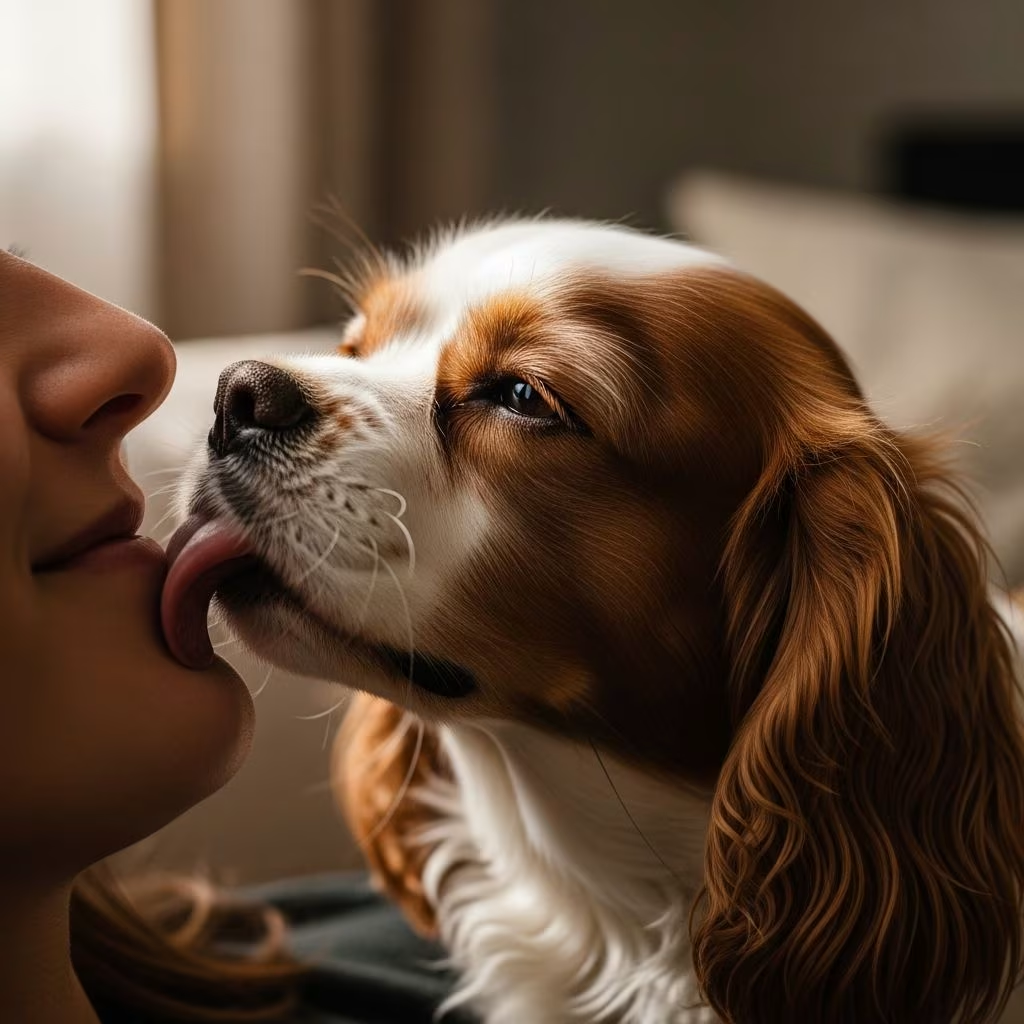
Dog kisses, those slobbery displays of affection, are a beloved ritual for many pet owners. While generally safe for healthy adults, they carry potential health risks from bacteria, parasites, and other pathogens in canine saliva. Understanding these risks allows owners to balance love with safety.
The Science of Canine Saliva
Canine saliva contains enzymes with mild antibacterial properties, aiding in cleaning wounds for dogs. However, it harbors a diverse microbiome including potentially harmful bacteria like Capnocytophaga, which rarely causes issues in healthy people but can lead to severe infections in those with weakened immunity.
Studies show dogs carry zoonotic pathogens—diseases transmissible to humans—such as Salmonella and E. coli, often from consuming contaminated food or feces. Transmission via licks is uncommon but possible, especially on mucous membranes.
Common Pathogens in Dog Saliva
Dogs’ mouths host various microbes. Here’s a breakdown:
- Salmonella: From raw diets or scavenging; causes food poisoning symptoms like diarrhea.
- Capnocytophaga: Normal oral flora; risky for immunocompromised via bites or licks.
- Parasites (Giardia, Hookworms): Transferred through fecal-oral route if hygiene lapses.
- Pasteurella: Linked to rare meningitis cases from frequent face kissing.
- MRSA and Bartonella: Antibiotic-resistant bacteria from close contact.
These are rarely problematic for robust immune systems but underscore the need for vigilance.
Who Faces Higher Risks?
Not everyone shares equal risk. Certain groups should avoid direct saliva contact:
| Group | Risks | Why Avoid? |
|---|---|---|
| Infants and Young Children | Bacterial infections, parasites | Immature immunity, hand-to-mouth habits |
| Pregnant Women | Toxoplasmosis-like threats | Fetal harm potential |
| Elderly | Severe sepsis from Capnocytophaga | Weakened defenses |
| Immunocompromised (Chemo, HIV, Diabetes) | Life-threatening infections | Reduced pathogen-fighting ability |
| Open Wounds or Facial Sores | Direct entry for bacteria | Bypasses skin barrier |
For these individuals, alternatives like petting maintain bonds safely.
Behavioral Reasons Behind Dog Licks
Dogs lick to communicate affection, submission, or grooming instincts rooted in pack behavior. Human-directed licks mimic maternal care or appeasement. Recognizing this enhances mutual understanding without over-reliance on mouth contact.
Reducing Risks Through Preventive Care
Proactive measures minimize dangers:
- Veterinary Checkups: Annual fecal tests, deworming, vaccinations.
- Parasite Control: Flea/tick preventives; avoid raw diets.
- Hygiene Practices: Hand washing post-contact; clean toys/bedding.
- Dental Health: Brush teeth, professional cleanings to cut bacteria load.
- Supervised Interactions: Watch kids around pets.
These steps ensure dogs stay healthy, slashing transmission odds.
Potential Benefits of Dog Saliva Exposure
Beyond risks, limited upsides exist. Early pet exposure may lower allergy/asthma risks in children via hygiene hypothesis. Saliva’s histatins aid minor wound healing in dogs, though human benefits are unproven and risks outweigh for open injuries.
Emotional perks—oxytocin release from bonding—bolster mental health, justifying safe affection.
Signs Your Dog’s Mouth Needs Attention
Monitor for dental disease indicators increasing bacterial counts:
- Bad breath
- Tartar buildup
- Red/swollen gums
- Loose teeth
- Excessive drooling
Prompt vet intervention prevents escalation.
Safe Alternatives to Mouth Kisses
Craving affection minus risks? Try:
- Head/ear scratches
- Chest rubs
- Play sessions
- Verbal praise
- Nose boops (if clean)
These fulfill dogs’ needs equally well.
FAQs on Dog Kisses and Safety
Is a dog’s mouth cleaner than a human’s?
No. Both teem with bacteria, but types differ; dog saliva isn’t sterile.
Can I get sick from one lick?
Rarely for healthy adults; risks rise with frequency or vulnerability.
Should I let my dog lick my wounds?
Never—introduces infection risk.
How often should I vet-check my dog?
Yearly, more for puppies/seniors.
Are puppy kisses safer?
Not necessarily; they carry similar pathogens.
Expert Insights on Zoonotic Transmission
Vets emphasize context: healthy, parasite-free dogs pose minimal threat to fit owners. A Caldwell Mill vet notes clean mouths via dental care matter most. CDC highlights Capnocytophaga’s bite primary route, licks secondary.
Netherlands research: 50% allow face licks, raising exposure. Prioritize responsibility over paranoia.
References
- A Vet Explains Why Dog Kissing and Wound Licking is Risky — Family Savvy. 2023. https://www.familysavvy.com/is-it-safe-to-kiss-your-dog/
- How Safe Are Dog Kisses? — Hill’s Pet Nutrition. 2024. https://www.hillspet.com/dog-care/behavior-appearance/are-dog-kisses-safe
- Kissing Your Pet May Not Be Safe. Experts Explain Why — ScienceAlert. 2024-10-01. https://www.sciencealert.com/kissing-your-pet-may-not-be-safe-experts-explain-why
- Kissing Your Dog: Is It Safe? — Billings Animal Family Hospital. 2023. https://billingsanimalfamilyhospital.com/post/is-it-safe-to-kiss-my-dog
- Pucker Up! The Truth About Pet Kisses and Health — West Park Animal Hospital. 2023. https://wpahcle.com/pet-resources/blog/pucker-truth-pet-kisses-health/
- Dog Saliva: 9 Facts You Should Know — PetMD. 2024. https://www.petmd.com/dog/general-health/dog-saliva-9-fast-facts-you-should-know
- Can a Dog’s Lick Make You Sick? — American Kennel Club. 2024. https://www.akc.org/expert-advice/health/can-a-dogs-lick-make-you-sick/
- About Capnocytophaga — Centers for Disease Control and Prevention (CDC). 2025-01-15. https://www.cdc.gov/capnocytophaga/about/index.html



