

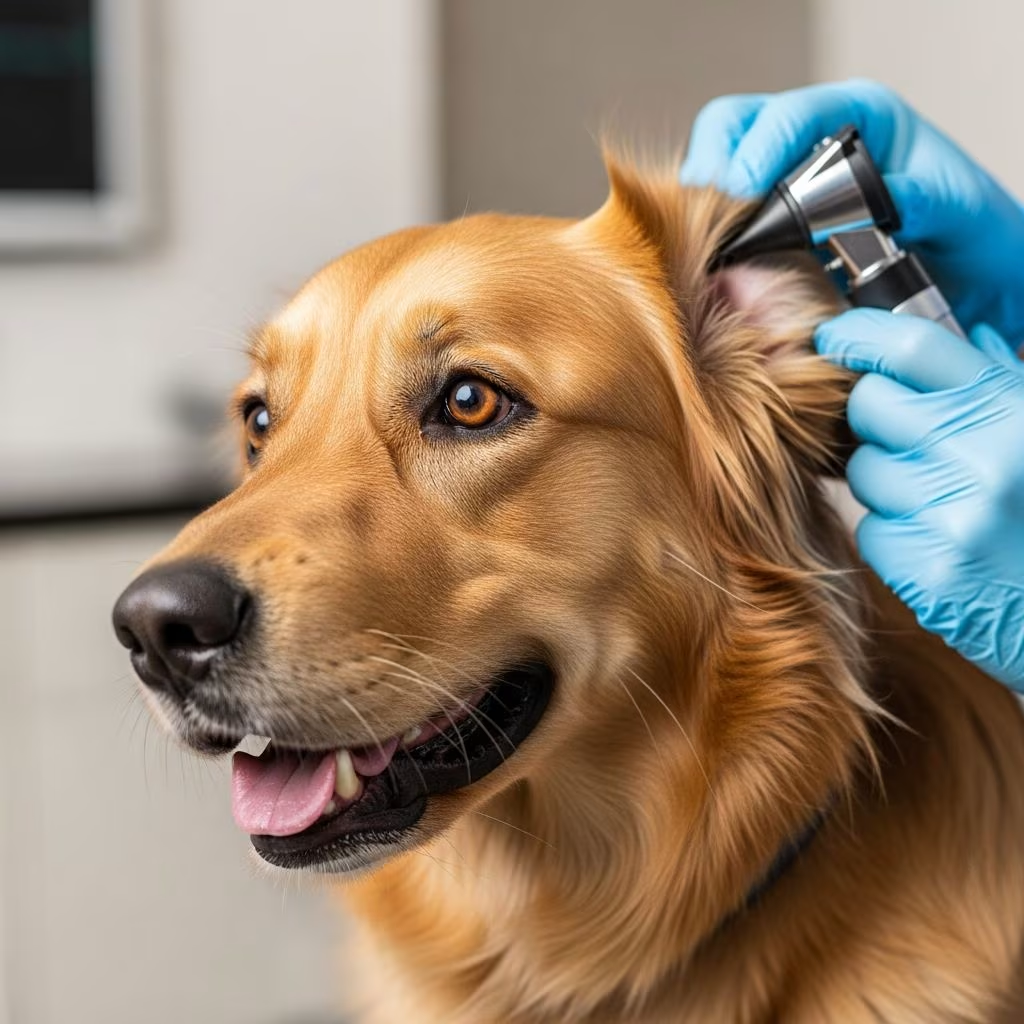
Observing your dog frequently shaking its head can be concerning for pet owners. This behavior often indicates discomfort in the ears or related areas, serving as a natural way for dogs to dislodge irritants since they lack hands. While occasional shaking after swimming or play is normal, persistent head shaking suggests an underlying issue requiring attention. Common culprits include ear infections, allergies, foreign objects, ear hematomas, and less frequently, neurological conditions. Early intervention prevents complications like aural hematomas or chronic infections.
Why Is My Dog Shaking Its Head?
Dogs shake their heads to alleviate itchiness, pain, or irritation in the ear canal. Without opposable thumbs, this vigorous motion mimics scratching or clearing debris. If the shaking persists beyond a day or two, accompanied by redness, odor, discharge, or balance issues, it warrants a veterinary exam. Ignoring it can lead to secondary problems like blood blisters in the ear flap from excessive trauma.
- Normal causes: Water after baths, dirt from play, or insects.
- Abnormal signs: Frequent shaking, pawing at ears, head tilting, or whining.
Common Causes of Head Shaking in Dogs
Several medical conditions trigger this symptom. Understanding them helps owners respond promptly.
1. Ear Infections (Otitis Externa)
Ear infections are the leading cause of excessive head shaking, affecting the outer ear canal with bacterial or yeast overgrowth. Symptoms include redness, swelling, foul-smelling brown or yellow discharge, and intense itching, prompting vigorous shaking. Floppy-eared breeds like Cocker Spaniels or Basset Hounds are prone due to poor ventilation. Underlying factors like allergies or moisture exacerbate infections.
- Red, inflamed ear canal
- Thick, waxy discharge
- Sensitivity to touch
- Head shaking and scratching
Vets diagnose via otoscope exam and cytology of ear swab to identify pathogens.
2. Allergies Causing Itchy Ears
Allergies, either food-related (e.g., beef, chicken, grains) or environmental (pollen, dust mites, mold), inflame the ear canal, leading to secondary infections and head shaking. Dogs may also show itchy paws, skin rashes, or recurrent hot spots. Atopic dermatitis is common in breeds like Labrador Retrievers and Bulldogs.
| Allergy Type | Common Triggers | Symptoms Beyond Head Shaking |
|---|---|---|
| Food Allergy | Proteins in diet | GI upset, chronic ear infections |
| Environmental | Pollen, dust | Skin itching, paw licking |
3. Foreign Objects in the Ear
Grass awns (foxtails), seeds, dirt, or insects can lodge in the ear canal, causing sharp irritation and reflexive shaking. These objects migrate deeper, worsening inflammation. Outdoor dogs are at higher risk during grass season.
Signs: Sudden onset shaking, one-sided issue, visible debris if mild.
4. Ear Hematomas (Aural Hematomas)
Vigorous shaking from any cause can rupture ear flap blood vessels, forming a fluid-filled swelling (hematoma). This painful blister distorts the ear pinna, often requiring drainage or surgery. Treating the root cause prevents recurrence.
- Swollen, spongy ear flap
- Discoloration (bruising)
- Head tilt toward affected side
5. Ear Mites
Less common in adults but prevalent in puppies, Otodectes cynotis mites cause dark, coffee-ground-like debris and intense itching. Highly contagious among pets.
6. Neurological Issues and Head Tremors
Distinguish voluntary shaking from involuntary tremors. Idiopathic head tremors (yes/no motions) are benign in some breeds like Bulldogs, resolving spontaneously. Serious causes include canine distemper (rare in vaccinated dogs), cerebellar hypoplasia, or toxin exposure, with added symptoms like ataxia, seizures, or lethargy.
- Tremors vs. Shaking: Tremors are rhythmic, uncontrollable; shaking is purposeful.
- Video your dog’s episode for the vet.
Other Potential Causes
Rarer issues: Hypothyroidism, autoimmune diseases (pemphigus), or inflammatory conditions causing ear crusting/ulcers. Neurological disorders like shaker syndrome (steroid-responsive tremors) affect small breeds.
When to See a Vet for Head Shaking
Seek immediate care if shaking lasts over 24 hours, or with discharge, swelling, pain, balance loss, or neurological signs. Delays risk permanent ear damage or systemic spread.
- Red/swollen ears
- Foul odor or discharge
- Depression or fever
- One-sided head tilt
Diagnosis: What to Expect at the Vet
Vets perform:
- Physical exam and ear otoscopy.
- Cytology/swab for infection type.
- Allergy testing or food trials.
- Imaging (X-rays/CT) for deep issues or neurology referral.
- Bloodwork for systemic causes.
Differentiate tremors via video analysis; neurologists may use MRI.
Treatment Options for Head Shaking Dogs
Tailored to cause:
- Infections: Topical cleaners, antibiotics/anti-fungals (e.g., Claro, Osurnia), oral meds if severe.
- Allergies: Hypoallergenic diet, Apoquel, Cytopoint injections, immunotherapy.
- Foreign Bodies: Sedated removal.
- Hematomas: Drainage, surgery, steroids.
- Mites: Ivermectin or selamectin.
- Tremors: Often self-limiting; steroids for shaker syndrome.
Avoid home remedies like vinegar; they irritate further.
Home Care and Prevention Tips
Support vet treatment with:
- Weekly ear cleaning using vet-approved solutions (e.g., Epi-Otic).
- Dry ears after swimming.
- Balanced diet to minimize allergies.
- Regular grooming for floppy ears.
- Flea/mite preventives.
Monitor for recurrence; allergies need long-term management.
Frequently Asked Questions (FAQs)
Why does my dog shake its head after swimming?
Water trapped in the ear canal causes irritation; dry thoroughly with cotton balls or a low-heat dryer.
Can head shaking cause ear damage?
Yes, it leads to hematomas or chronic trauma; treat underlying issues promptly.
Is head bobbing the same as shaking?
No, bobbing/tremors are involuntary, often idiopathic and harmless, unlike purposeful shaking.
How long can I wait before seeing a vet?
No more than 24-48 hours if persistent; sooner with discharge or pain.
Are certain breeds more prone?
Yes, floppy-eared (Spaniels, Hounds) and allergy-prone (Labs, Bulldogs).
Conclusion: Act Quickly for Your Dog’s Comfort
Persistent head shaking signals discomfort needing professional care. With diagnosis and treatment, most dogs recover fully, enjoying itch-free ears. Regular check-ups prevent repeats. Consult your vet today for peace of mind.
References
- Dog Head Shaking: Causes and What to Do — SEVN Neurology. 2023. https://sevneurology.com/blog/dog-head-shaking
- Head Shaking in Dogs: When to Worry — St. Louis Animal Emergency Clinic. 2023-05-31. https://www.stlouisanimalemergencyclinic.org/site/blog/2023/05/31/head-shaking-dogs
- Four Reasons Dogs Keep Shaking Their Head — Elanco Your Pet and You. Accessed 2026. https://yourpetandyou.elanco.com/us/health-and-care/4-reasons-why-dogs-shake-their-head
- Dog Shaking Head? Here’s When To Worry — PetMD. Accessed 2026. https://www.petmd.com/dog/symptoms/dog-shaking-head
- HEAD TREMORS IN DOGS: WHAT YOU NEED TO KNOW — Veterinary Neurology of Chesapeake. Accessed 2026. https://www.vetneurochesapeake.com/vnioc-blog/head-tremors-in-dogs
- Shaker Syndrome in Dogs — VCA Animal Hospitals. Accessed 2026. https://vcahospitals.com/know-your-pet/shaker-syndrome-in-dogs



