

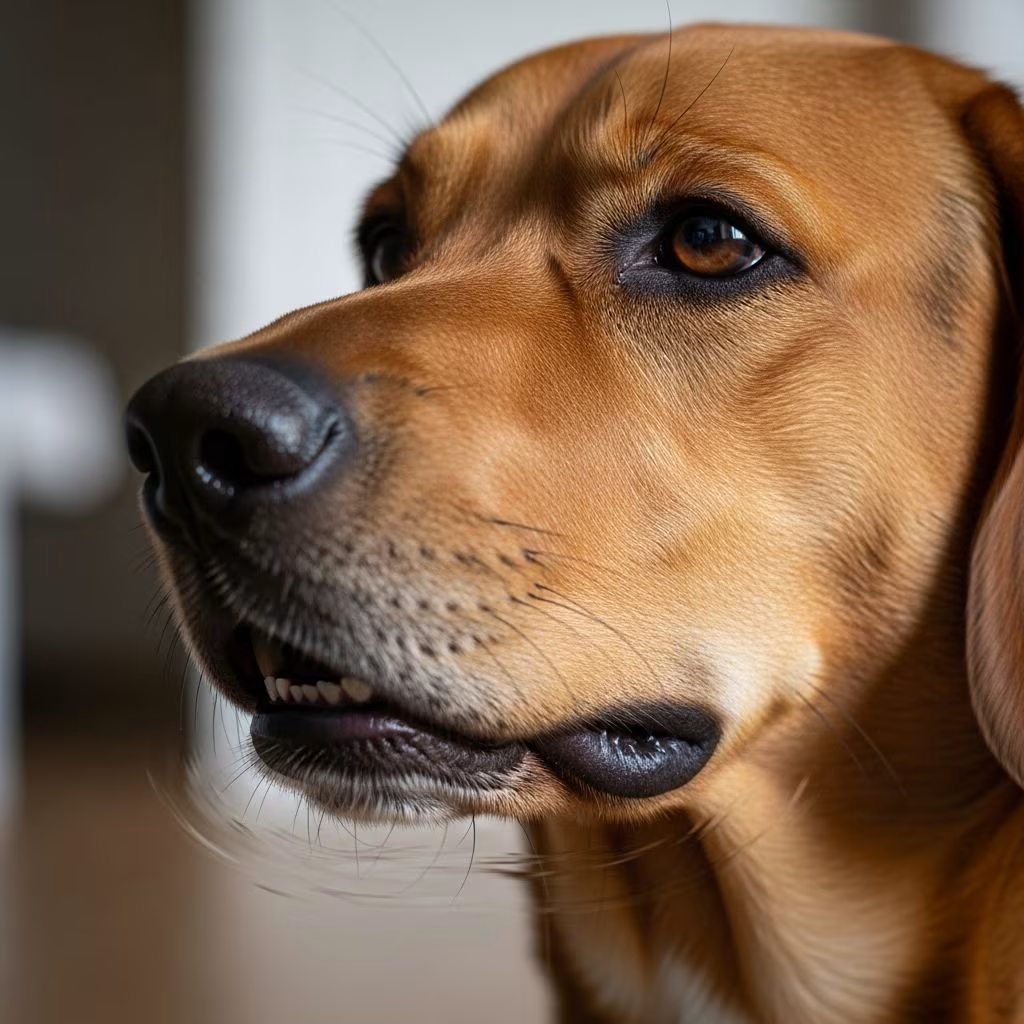
Dog jaw trembling, often described as teeth chattering or mouth quivering, is a noticeable behavior that can stem from a variety of everyday triggers or underlying medical conditions. While it frequently signals nothing alarming, persistent or intense episodes warrant closer attention to rule out health problems. This comprehensive guide breaks down the potential causes, diagnostic approaches, and steps for management, empowering dog owners to respond effectively.
Recognizing Jaw Trembling in Dogs
Jaw trembling appears as rapid, involuntary movements of the lower jaw, sometimes accompanied by clenching or a subtle shaking. It differs from full-body shivering and typically involves just the mouth area. Owners might observe this during specific activities, like eating, after sniffing something intriguing, or in moments of high emotion. Noticing patterns—such as timing, duration, and associated behaviors—is crucial for pinpointing the cause.
- Duration: Brief episodes (seconds to minutes) are often benign, while prolonged trembling may indicate discomfort.
- Triggers: Observe if it happens post-exercise, in cold weather, around food, or during separations.
- Accompanying Signs: Look for drooling, whining, appetite changes, or lethargy, which could signal deeper issues.
Benign Causes of Jaw Trembling
Many instances of jaw trembling arise from non-threatening situations tied to a dog’s environment or physiology. Understanding these helps distinguish normal from concerning behaviors.
Excitement and Emotional Responses
Dogs frequently tremble their jaws when overwhelmed by positive emotions. This can occur during play sessions, greetings from family members, or anticipation of a walk or meal. The behavior reflects an overflow of enthusiasm that their body expresses through muscle twitches in the face. Similarly, stress from fireworks, car rides, or new environments can provoke the same reaction as a release valve for tension. In these cases, the trembling subsides quickly once the stimulus fades.
Temperature Regulation
When exposed to chilly conditions, dogs may chatter their jaws as part of thermoregulation, much like humans. This is especially true for small breeds or those with thin coats during winter walks or after baths. Shivering often accompanies it, affecting the whole body. Providing a warm blanket or sweater typically resolves it without further intervention.
Sensory Overload from Scents
A dog’s sense of smell is extraordinarily acute, and potent odors can elicit jaw trembling via the Flehmen response. This involves curling the lip and chattering to direct scent particles to the vomeronasal organ in the mouth’s roof. Common triggers include other animals’ urine, pheromones from females in heat, or strong household smells like citrus or vinegar. Male dogs are particularly prone during outdoor explorations.
Health-Related Triggers for Jaw Trembling
While benign causes dominate mild cases, jaw trembling can also highlight medical concerns requiring veterinary input. Early detection through observation is key.
Oral and Dental Discomfort
One of the leading medical culprits is pain within the mouth. Issues like fractured teeth, gum infections, abscesses, or periodontal disease cause irritation leading to chattering as dogs attempt to alleviate discomfort. Advanced dental problems often present with additional clues:
- Halitosis or foul breath from bacterial buildup.
- Excessive drooling or blood-tinged saliva.
- Hesitation to chew hard foods or toys.
- Swelling around the face or paws pawing at the mouth.
Veterinarians diagnose these via thorough oral exams, potentially recommending cleanings, extractions, or antibiotics.
Temporomandibular Joint Disorders
The temporomandibular joint (TMJ), connecting the jaw to the skull, can become inflamed from arthritis, trauma, or fractures. Affected dogs chatter due to pain during jaw movement. Vets assess this by manipulating the mouth and may order X-rays or CT scans for confirmation. Treatment varies from pain relief to surgery in severe cases.
Digestive Tract Disturbances
Gastrointestinal woes, including nausea, reflux, vomiting, or blockages, prompt jaw clenching and chattering. Dogs grind teeth in response to abdominal unease, often with drooling or lip-licking. Diagnostic tools like blood tests, ultrasounds, or endoscopies help identify issues, with treatments targeting the root cause such as anti-nausea drugs or dietary adjustments.
Neurological and Muscular Conditions
More serious are seizures or focal tremors mimicking jaw trembling. During epileptic episodes, dogs may appear unresponsive with post-event drooling. Muscle inflammation or ear infections can also refer pain to the jaw area. Immediate vet consultation is advised if trembling clusters or pairs with disorientation.
When to Consult a Veterinarian
Not every quiver demands a trip to the clinic, but certain red flags necessitate prompt action. Use this decision table to guide your response:
| Symptom Profile | Action Level | Why It Matters |
|---|---|---|
| Isolated, short episodes with clear triggers like cold or excitement | Monitor at home | Benign and self-resolving |
| Accompanied by drooling, bad breath, eating difficulties | Schedule routine vet visit | Likely dental or GI issue |
| Frequent, worsening, or with lethargy, vomiting, seizures | Seek emergency care | Potential neurological emergency |
Tracking episodes in a journal— noting time, duration, and context— aids vets in accurate diagnosis.
Diagnostic Approaches and Treatments
Veterinary evaluation starts with a history review and physical exam, focusing on the mouth, joints, and nervous system. Depending on findings:
- Imaging: X-rays or CT for TMJ or bone issues.
- Lab Work: Blood panels to check for infection or organ function.
- Specialized Tests: Endoscopy for GI tracts or EEG for seizures.
Treatments are cause-specific: dental procedures for oral pain, anti-anxiety meds for stress, or anticonvulsants for neurological disorders. Preventive dental care, like regular brushings and chew toys, reduces risks.
Preventive Strategies for Healthy Jaws
Proactive care minimizes trembling incidents. Maintain dental hygiene with vet-approved toothpastes and toys. Ensure balanced diets to avoid GI upset. Provide cozy environments during cold snaps and gradual desensitization for anxious dogs. Routine wellness checks catch issues early.
Frequently Asked Questions (FAQs)
Is jaw trembling always a sign of pain in dogs?
No, it often reflects excitement, cold, or scents, but persistent cases may indicate pain or illness.
Can anxiety cause my dog’s jaw to quiver?
Yes, stress from separations or loud noises commonly triggers this response, easing in calm settings.
What home remedies help with dental-related trembling?
Avoid DIY fixes; professional cleanings are safest. Offer soft foods temporarily and monitor.
How do I differentiate trembling from a seizure?
Seizures involve unresponsiveness and drooling; trembling dogs remain alert.
Should puppies’ jaw trembling concern me?
Rarely, as it’s often excitement-related, but consult a vet if frequent.
Long-Term Management Tips
For chronic cases, collaborate with your vet on tailored plans, possibly including supplements for joint health or behavior training. Regular exercise curbs anxiety, while pheromone diffusers soothe nerves. Monitor weight to prevent TMJ strain from obesity. With vigilance, most dogs thrive post-intervention.
References
- Why is my dog’s jaw quivering? — Applaws. 2023. https://applaws.com/uk/dog/why-is-my-dogs-jaw-quivering/
- Dog Teeth Chattering: Causes and What To Do — PetMD. 2024-01-15. https://www.petmd.com/dog/symptoms/dogs-and-teeth-chattering-what-you-need-know
- Why are my Dog’s Teeth Chattering? — Little Silver Animal Hospital. 2023. https://littlesilveranimalhospital.com/blog/why-are-my-dogs-teeth-chattering/
- Why is My Dog Chattering Its Teeth? — Pewaukee Veterinary Service. 2024. https://pewaukeeveterinaryservice.com/blog/dog-chattering-teeth/



