

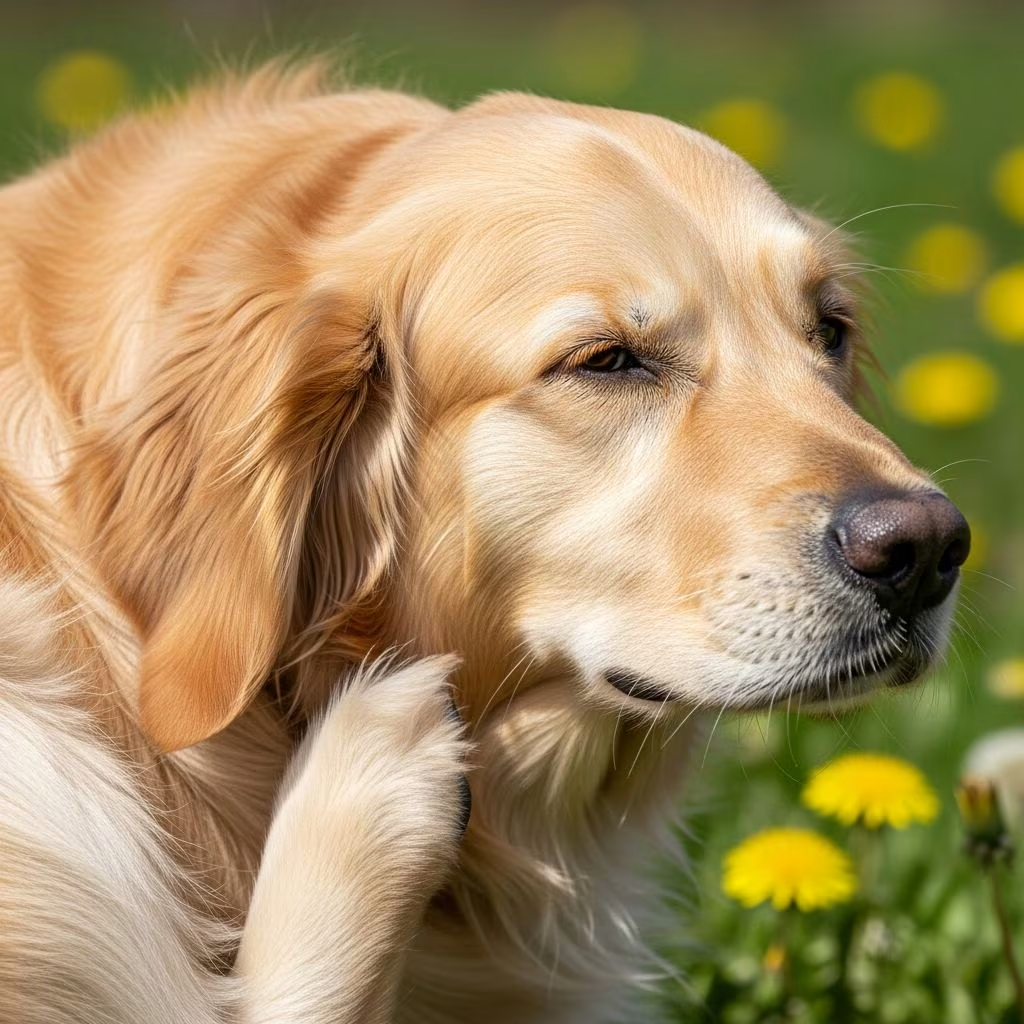
Seasonal allergies in dogs, much like in humans, are triggered by environmental factors such as pollen, mold, and dust mites, leading to intense itching and discomfort. These allergies typically flare up during specific times of the year, causing dogs to scratch excessively, lick their paws, or develop secondary infections. While not curable, they can be effectively managed with a combination of veterinary treatments and home care strategies to improve your dog’s quality of life.
What Causes Seasonal Allergies in Dogs?
Seasonal allergies, also known as atopic dermatitis in veterinary terms, occur when a dog’s immune system overreacts to harmless environmental allergens. Common culprits include tree pollen in spring, grass pollen in summer, and weed pollen or mold in autumn. Dust mites and yeast can exacerbate symptoms year-round but peak seasonally.
Breeds predisposed to allergies include Golden Retrievers, Labrador Retrievers, Bulldogs, and German Shepherds, though any dog can be affected. Genetics play a role, making some dogs more sensitive to these airborne particles that they inhale or that contact their skin.
- Pollen from trees, grasses, and weeds: Peaks in spring, summer, and fall respectively.
- Mold spores: Thrive in damp conditions, worsening in humid seasons.
- Dust mites: Present indoors but aggravated by seasonal changes.
Unlike food allergies, which are non-seasonal, environmental allergies show clear patterns tied to weather and plant cycles.
Symptoms of Seasonal Allergies in Dogs
Dogs with seasonal allergies often exhibit intense **itching** as the primary symptom, focusing on paws, ears, belly, armpits, and groin. This leads to licking, chewing, and scratching that can result in hair loss, red inflamed skin, and secondary bacterial or yeast infections.
Other signs include:
- Frequent **ear infections** with head shaking, odor, and discharge.
- **Red, flaky, or thickened skin** (hyperpigmentation).
- **Hot spots** or moist dermatitis from constant licking.
- Watery eyes, sneezing, or rubbing face on surfaces.
- Odor from skin or ears due to infections.
Symptoms typically worsen at night or after outdoor time, and paws may appear red and swollen from obsessive licking. Early recognition prevents complications like chronic skin changes.
Diagnosing Seasonal Allergies in Dogs
Diagnosis starts with a veterinary exam and history of seasonal patterns. Vets rule out fleas, food allergies, or mites via skin scrapings and cytology. Blood tests like Heska’s Allercept or Nextmune’s Pet Allergy Xplorer identify specific allergens.
Intrader-mal skin testing may confirm results for immunotherapy planning. Seasonal patterns—e.g., spring flare-ups—support environmental allergy diagnosis over others.
Treatment Options for Dog Seasonal Allergies
Treatment aims to control itch, prevent infections, and reduce allergen exposure using a multimodal approach. Start therapies 1-2 weeks before allergy season based on your dog’s history.
Anti-Itch Medications
Prescription anti-itch drugs provide rapid relief:
- Zenrelia: Once-daily tablet for dogs over 12 months, blocks itch signals quickly.
- Apoquel: Oral chewable targets itch pathways, effective within hours.
- Cytopoint (Lokivetmab): Injection lasting 4-8 weeks, monoclonal antibody against itch protein.
- Prednisone: Steroid for short-term severe cases, with side effect risks.
Continue meds through season plus one month post-season. Combine with e-collars if chewing persists.
Topical Treatments
Topicals soothe skin and fight infections:
- Medicated shampoos (oatmeal, antifungal, antibacterial) weekly.
- Sprays, wipes, mousses, and ointments for localized relief.
- Ear cleaners for recurrent infections.
Wipe paws after walks to remove pollen.
Immunotherapy
Allergy shots or sublingual drops desensitize the immune system based on testing. Administered long-term (maintenance after buildup), 60-80% of dogs improve within 6-12 months. Ideal for severe, recurrent cases.
Antibiotics and Antifungals
Treat secondary infections with oral or topical meds until resolved.
Home Remedies and Prevention for Seasonal Allergies
Support vet treatments with home strategies:
- Fish oil supplements (omega-3s like Welactin): Reduce inflammation, strengthen skin barrier.
- Regular bathing with hypoallergenic shampoo removes allergens.
- Home cleaning: Vacuum, wash bedding weekly, use air purifiers.
- Dietary support: Hypoallergenic or novel protein diets if food overlap suspected.
- Proactive prep: Start supplements 1-3 months pre-season for gut/immune health.
Avoid irritants like smoke or harsh cleaners.
When to See a Vet for Dog Allergies
Consult a vet if itching lasts >2 weeks, skin changes appear, or infections develop. Prompt care prevents chronic issues like lichenification (thickened skin). Track symptoms by season for tailored plans.
FAQs
Can dogs have seasonal allergies like humans?
Yes, dogs suffer seasonal allergies to pollen, mold, and mites, causing itch and infections.
What is the best treatment for dog seasonal allergies?
A multimodal approach: anti-itch meds (Apoquel/Cytopoint), topicals, and immunotherapy for long-term control.
How can I prevent my dog’s seasonal allergies?
Wipe paws, bathe regularly, use supplements, clean home, and start meds pre-season.
Are there home remedies for itchy dogs with allergies?
Fish oil, oatmeal shampoos, and hygiene help, but vet approval is essential.
Do all itchy dogs have allergies?
No, rule out fleas, infections, or food issues first via vet exam.
Long-Term Management of Seasonal Allergies
Monitor for patterns annually; adjust therapies as needed. Immunotherapy offers sustained relief for many, reducing med reliance. Consistent care keeps dogs comfortable year-round.
References
- Dog Seasonal Allergies: Symptoms and Treatment — PetMD. 2023-10-15. https://www.petmd.com/dog/conditions/skin/seasonal-allergies-dogs
- Dog Seasonal Allergies: Signs, Solutions & How to Help — Longwood Veterinary Center. 2024-05-20. https://longwoodvetcenter.com/dog-seasonal-allergies-relief/
- Seasonal Allergies Solutions For Dogs — CanineCeuticals. 2023-08-10. https://canineceuticals.com.au/blogs/news/seasonal-allergies-solutions-for-dogs
- How to Deal with Dog Seasonal Allergies in Broward County, FL — Central Broward Vet. 2024-03-12. https://centralbrowardvet.com/blog/dog-seasonal-allergies-broward-county/
- Signs your pet has seasonal allergies — and what you can do to help — Animal Humane Society. 2023-04-05. https://www.animalhumanesociety.org/resource/signs-your-pet-has-seasonal-allergies-and-what-you-can-do-help
- Seasonal Allergies in Dogs & Cats — VCA Animal Hospitals. 2024-01-22. https://vcahospitals.com/shop/articles/frustrated-by-seasonal-allergies



