

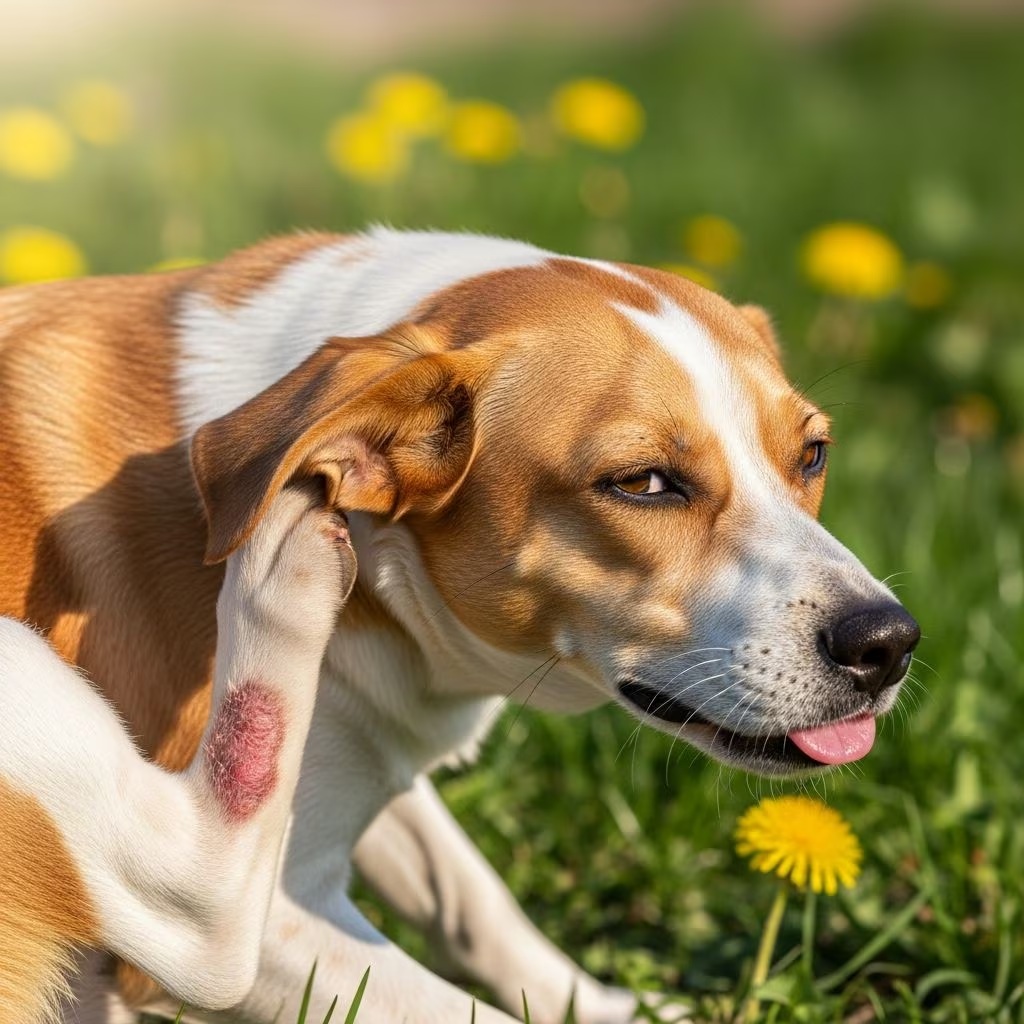
Seasonal allergies affect millions of dogs each year, causing intense itching, discomfort, and secondary infections. Just like humans, dogs can react to environmental triggers such as pollen, mold, and dust mites, leading to frustrating symptoms that peak during spring, summer, or fall. Understanding these allergies is key to providing relief and improving your dog’s quality of life. This comprehensive guide covers causes, symptoms, diagnosis, treatments, home remedies, prevention strategies, and FAQs to help you manage your pup’s seasonal itching effectively.
Can Dogs Have Seasonal Allergies?
Yes, dogs can absolutely develop seasonal allergies, similar to humans. These allergies are triggered by airborne environmental allergens that fluctuate with the seasons. Common culprits include tree pollen in spring, grass pollen in summer, weed pollen in fall, and indoor allergens like mold or dust mites that worsen in humid conditions. Unlike food allergies, which are year-round, seasonal ones follow predictable patterns based on your geographic location.
Any breed can be affected, but certain ones are predisposed, such as Golden Retrievers, Labrador Retrievers, Bulldogs, and Terriers. Puppies rarely show symptoms before age 1, with most cases appearing between 1-3 years old. If your dog suddenly starts itching excessively during specific months, seasonal allergies are a likely cause.
Causes of Seasonal Allergies in Dogs
Seasonal allergies in dogs, medically known as atopy or allergic dermatitis, occur when the immune system overreacts to harmless substances called allergens. When a sensitized dog inhales or contacts these allergens through skin, the body releases histamines and inflammatory chemicals, leading to itchiness and irritation.
- Pollen: From trees (spring), grasses (summer), and weeds (fall). This is the most common trigger.
- Mold and Yeast Spores: Thrive in damp environments, peaking after rain or in humid seasons.
- Dust Mites: Microscopic pests in household dust, bedding, and carpets; symptoms may worsen indoors during allergy season.
Geographic location plays a role—dogs in pollen-heavy areas like the Midwest U.S. may suffer more. Allergens stick to fur, paws, and skin, entering through hair follicles or being inhaled, which explains why outdoor time exacerbates symptoms.
Symptoms of Seasonal Allergies in Dogs
Dogs can’t tell us they’re itchy, so they show it through behavior. Symptoms typically worsen at night or after outdoor exposure and follow a seasonal pattern. Early recognition prevents secondary issues like infections.
- Itching and Scratching: Most common; affects paws, ears, belly, armpits, groin, or entire body. Dogs may chew feet until raw.
- Skin Changes: Redness, hot spots, flaky or oily skin, thickened or darkened areas (hyperpigmentation), crusts, or odor.
- Ear Issues: Recurrent infections, head shaking, foul-smelling discharge.
- Other Signs: Watery eyes, sneezing, excessive licking/pawing at face, hair loss, scooting due to anal gland irritation.
If untreated, constant trauma leads to bacterial or yeast infections, worsening the itch-scratch cycle. Track symptoms with a journal noting timing and severity to share with your vet.
Diagnosis of Dog Seasonal Allergies
Diagnosis starts with a thorough history and physical exam. Your vet will rule out fleas, food allergies, or mange via skin scrapes and flea combing. For confirmation:
- Intradermal Skin Testing: Gold standard; allergens injected under skin to observe reactions. Performed by veterinary dermatologists.
- Blood Tests: Heska Allercept or Nextmune Pet Allergy Xplorer measure allergy antibodies. Less accurate but useful for needle-shy dogs.
Elimination diets test for food allergies concurrently. Expect costs of $200-$500. Accurate diagnosis guides targeted therapy.
Treatments for Seasonal Allergies in Dogs
Seasonal allergies can’t be cured but can be managed effectively. Start treatment 2-4 weeks before allergy season based on past patterns. Combine therapies for best results.
Anti-Itch Medications
These block itch signals quickly, reducing self-trauma and infection risk.
- Zenrelia (ilunocitinib): Once-daily tablet for dogs over 12 months; fast-acting, targets itch pathways.
- Apoquel (oclacitinib): Oral chew; works within hours, safe long-term.
- Cytopoint (lokivetmab): Monthly injection; monoclonal antibody neutralizes itch protein.
- Prednisone/Steroids: Short-term for severe cases; increases thirst/hunger, not for long-term use.
Dose preventively during allergy seasons, extending one month post-season.
Topical Treatments
Soothe skin and fight infections.
- Medicated shampoos (oatmeal, chlorhexidine), sprays, wipes, mousses.
- Antibacterial/antifungal ointments for hotspots.
Bathe weekly; use hypoallergenic products.
Immunotherapy (Allergy Shots or Drops)
Long-term solution desensitizes the immune system. After testing, custom vaccines administered weekly, then monthly. 60-80% success rate; improvement in 6-12 months. Ideal for young dogs unresponsive to meds.
Antihistamines
Benadryl (diphenhydramine), Zyrtec; mild relief, best combined with others. Consult vet for dosing.
Home Remedies for Dog Seasonal Allergies
Support vet care with these safe options; always consult first.
- Fish Oil (Omega-3s): Welactin or similar; reduces inflammation. Start 4-6 weeks early, year-round.
- Wipe Downs: Damp cloth or pet wipes on paws/fur post-walks removes allergens.
- Bathing: Hypoallergenic or oatmeal shampoos weekly.
- Home Cleaning: Vacuum, wash bedding weekly, use HEPA filters.
Avoid essential oils or OTC human products without vet approval.
Prevention and Management Tips
Minimize exposure and maintain skin barrier.
- Wipe paws after outdoors.
- Feed hypoallergenic diet if needed.
- Regular ear cleaning.
- Monitor for infections; use e-collar if chewing.
- Track seasons for proactive meds.
Annual vet check-ups adjust plans.
When to See a Vet
Seek care if itching persists >2 days, skin changes, odor, lethargy, or appetite loss. Early intervention prevents complications.
Frequently Asked Questions (FAQs)
Can dogs have seasonal allergies?
Yes, dogs commonly suffer from seasonal allergies to pollen, mold, and dust mites, causing itching and infections.
How do you treat seasonal allergies in dogs?
Treatments include anti-itch meds (Apoquel, Cytopoint), topicals, immunotherapy, and home care like fish oil.
What can I give my dog for allergies at home?
Omega-3 supplements, hypoallergenic shampoos, and paw wipes; vet-approved antihistamines like Benadryl.
Are allergy shots effective for dogs?
Yes, 60-80% effective long-term after 6-12 months.
How long do dog allergy seasons last?
Depends on location; spring (trees), summer (grass), fall (weeds); proactive treatment key.
References
- Dog Seasonal Allergies: Symptoms and Treatment — PetMD. 2023. https://www.petmd.com/dog/conditions/skin/seasonal-allergies-dogs
- Dog Seasonal Allergies: Signs, Solutions & How to Help — Longwood Veterinary Center. 2023. https://longwoodvetcenter.com/dog-seasonal-allergies-relief/
- Dog Allergies: Types, Symptoms, and Treatments — GoodRx. 2023. https://www.goodrx.com/pet-health/dog/seasonal-allergies
- Seasonal Allergies in Dogs & Cats — VCA Animal Hospitals. 2023. https://vcahospitals.com/shop/articles/frustrated-by-seasonal-allergies
- Signs your pet has seasonal allergies — and what you can do to help — Animal Humane Society. 2023. https://www.animalhumanesociety.org/resource/signs-your-pet-has-seasonal-allergies-and-what-you-can-do-help
- What Can I Give My Dog for Allergies Over-the-Counter & More — Pet Friendly Box. 2023. https://petfriendlybox.com/resource-center/what-can-i-give-my-dog-for-allergies



