
Dog Intestinal Blockages
Recognize the signs of intestinal blockages in dogs, understand causes, treatments, and vital prevention strategies to safeguard your pet's health.
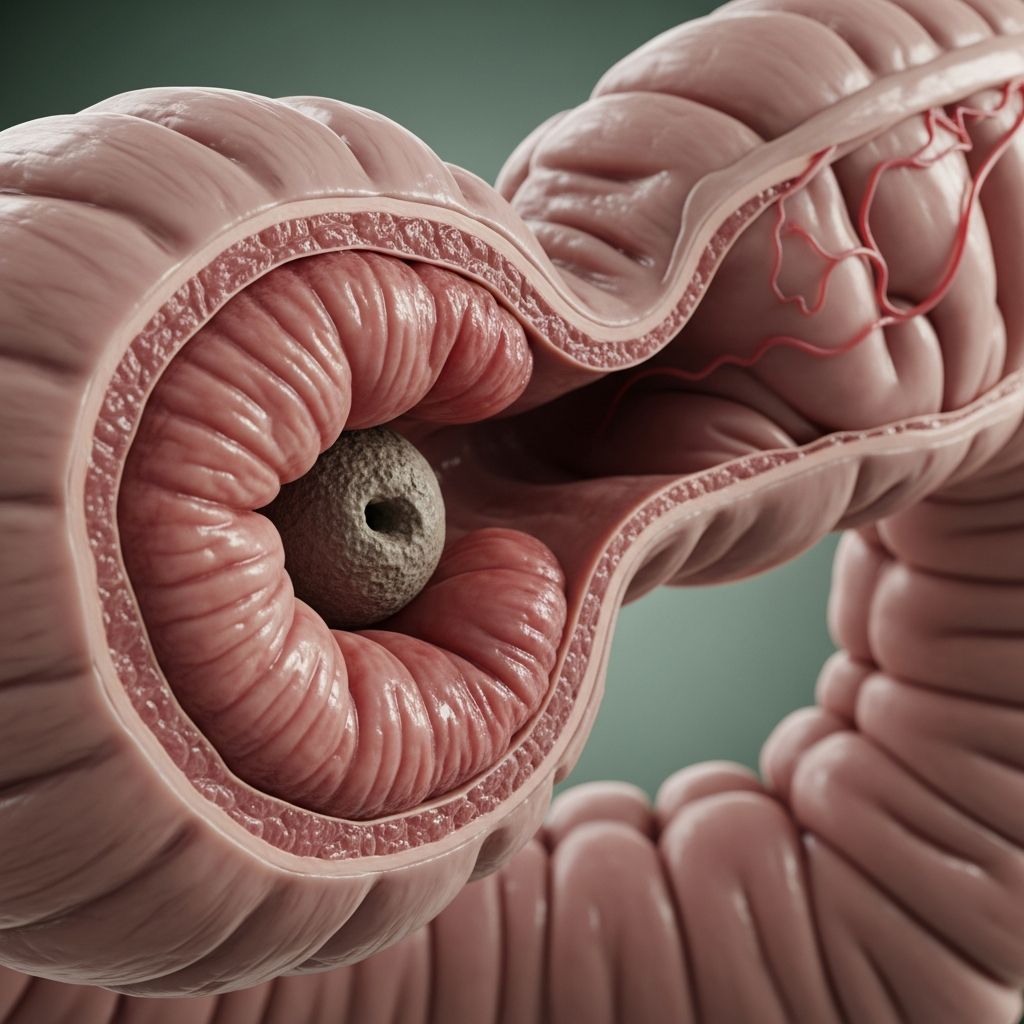
Intestinal blockages in dogs represent a critical health emergency that can rapidly escalate if not addressed promptly. These obstructions hinder the normal passage of food, fluids, and waste through the digestive tract, potentially leading to severe complications like dehydration, tissue damage, or even death within days. Dog owners must recognize the urgency of symptoms such as persistent vomiting and abdominal distress to seek veterinary care immediately.
Understanding the Nature of Gastrointestinal Obstructions
The digestive system in dogs relies on a smooth flow through the esophagus, stomach, small intestine, and large intestine. When something impedes this process, it creates a partial or complete blockage. Partial blockages might allow some material to pass, causing intermittent symptoms, while complete ones halt everything, building dangerous pressure. This pressure can compromise blood flow to intestinal sections, leading to necrosis (tissue death) and peritonitis, an inflammation of the abdominal lining from leakage or rupture.
Blockages often occur in the small intestine due to its narrower diameter compared to the stomach or colon. The timeline for symptoms varies: upper GI blockages may show signs within hours, while lower ones might take a day or more. Without intervention, dogs face risks of sepsis, shock, electrolyte imbalances, and multi-organ failure.
Primary Causes Behind Blockages
Foreign objects top the list of culprits, as dogs’ curious nature leads them to ingest non-food items. Common offenders include:
- Toys, socks, or clothing pieces swallowed during play.
- Bones, corn cobs, or fruit pits like peach or avocado that expand or resist digestion.
- Nuts in shells, plastic bags, or string from ropes.
Beyond ingestibles, internal issues contribute significantly. Tumors or masses can narrow passages, while severe parasite loads create bulk obstructions. Other structural problems include:
- Intussusception, where one intestinal segment telescopes into another.
- Hernias trapping bowel loops.
- Torsion or twisting of intestines.
- Strictures from scar tissue post-surgery or inflammation.
Large or greedy eaters, especially puppies and young dogs, face higher risks due to rapid swallowing without chewing.
Recognizing Critical Symptoms Early
Early detection hinges on spotting subtle shifts before they worsen. Initial signs mimic mild tummy upset but progress quickly. Key indicators include:
- Vomiting: Frequent, possibly unproductive retching or gagging.
- Lethargy and weakness: From dehydration and pain.
- Loss of appetite: Refusal of food or water.
- Abdominal pain: Hunching, whining, or aggression when touched.
- Diarrhea or straining: Liquid passing partial blocks; complete ones prevent defecation.
Advanced symptoms signal crisis: bloating, restlessness, pale gums, rapid breathing, or collapse. A table below summarizes symptom progression:
| Stage | Symptoms | Action Needed |
|---|---|---|
| Early | Mild vomiting, reduced appetite, mild discomfort | Monitor closely; vet if persists >12 hours |
| Moderate | Frequent vomiting, lethargy, straining to poop | Immediate vet visit |
| Severe | Bloating, collapse, shock signs | Emergency care now |
If your dog ingested a suspicious item, don’t wait—symptoms can onset in 24 hours or less.
Diagnostic Approaches in Veterinary Practice
Vets start with a physical exam, palpating the abdomen for pain or masses. History of recent ingestions guides suspicion. Diagnostics confirm:
- Imaging: X-rays detect radio-opaque items like bones; ultrasound reveals softer ones or fluid buildup.
- Bloodwork: Checks dehydration, infection, or organ stress.
- Contrast studies: Barium highlights block locations if initial images are inconclusive.
These pinpoint blockage site and type, dictating treatment. Endoscopy offers a less invasive peek for upper GI issues but rarely resolves deep blockages.
Emergency Treatment Protocols
Stabilization precedes all else. IV fluids correct dehydration and electrolytes; anti-nausea meds like Cerenia and pain relief (e.g., famotidine) ease suffering. For partial blocks, monitoring with serial X-rays might allow natural passage, aided by fluids.
Surgery becomes essential for complete or non-resolving cases. Under anesthesia, vets perform exploratory laparotomy: an abdominal incision to locate, remove the obstruction, and inspect damage. Viable intestine shows healthy color and peristalsis; dead sections require resection and anastomosis (rejoining). Post-op, dogs recover in-hospital 2-5 days with antibiotics, fluids, and gradual feeding.
Recovery and Post-Treatment Care
Home recovery demands vigilance. Restrict activity to leash walks; feed bland diets (boiled chicken/rice) transitioning to normal over 7-10 days. Monitor for fever, swelling, or renewed vomiting—signs of complications like leakage. Stitches removal occurs at 10-14 days. Full strength returns in 2-4 weeks, but some dogs need dietary changes long-term to prevent recurrence.
Prognosis excels with early surgery (80-90% survival); delays drop it due to sepsis risks.
Proactive Prevention Strategies
Forewarned is forearmed. Minimize risks by:
- Supervising play; remove small toys, strings.
- Skipping cooked bones, cobs, pits—opt for digestible chews.
- Training ‘leave it’ and ‘drop it’ commands.
- Regular parasite preventives to curb infestations.
- Slow feeders for gulpers; split meals.
Annual check-ups catch predispositions like tumors early. Breeds like Labradors or Terriers, prone to scavenging, warrant extra caution.
Frequently Asked Questions (FAQs)
How long can a dog live with an intestinal blockage?
Typically 3-7 days before fatal complications, but symptoms demand immediate action.
Can intestinal blockages pass on their own?
Partial ones sometimes with supportive care, but complete require surgery.
What does a dog’s poop look like with a blockage?
Diarrhea early; then nothing, with straining.
Is surgery for dog blockages expensive?
Costs vary ($2,000-$10,000+), covering diagnostics, procedure, hospitalization—pet insurance helps.
Which dogs are most at risk?
Puppies, chewers, greedy eaters; any unsupervised around hazards.
Long-Term Health Implications
Survivors often thrive but may develop adhesions or sensitivities. Nutritional support with high-fiber diets aids motility. Owners should inventory homes yearly for hazards, fostering a safer environment.
References
- Dog Intestinal Blockage: Signs and What to Do — PetMD, Veronica Higgs, DVM. 2023. https://www.petmd.com/dog/conditions/digestive/dog-intestinal-blockage-signs-and-what-to-do
- Intestinal Blockages In Dogs: Causes And Treatment — Atlantic Coast Vet. 2022-05-30. https://www.atlanticcoastvet.com/site/blog-long-island-vet/2022/05/30/intestinal-blockages-in-dogs-causes-and-treatment
- Intestinal Blockage in Dogs: Signs, Symptoms, Treatments — AKC. 2023. https://www.akc.org/expert-advice/health/intestinal-blockage-in-dogs/
- Bowel Obstruction in Dogs: Signs, Symptoms & Treatment — Maury County Vet. 2023-08-31. https://www.maurycountyvet.com/site/blog/2023/08/31/bowel-obstruction-dogs–signs-symptoms-treatment
- Intestinal Blockages in Dogs: Symptoms & Treatment — SWFVS. 2022-01-31. https://www.swfvs.com/site/blog/2022/01/31/intestinal-blockages-dogs-symptoms-treatment
- Bowel Obstruction in Dogs — Cerbat Cliffs Animal Hospital. 2022-03-15. https://www.cerbatcliffs.com/site/blog/2022/03/15/dog-bowel-obstruction
Similar Articles








Read full bio of Sneha Tete




