
Dog Intestinal Blockage: Signs and What to Do
Learn to recognize intestinal blockage symptoms in dogs and understand treatment options.
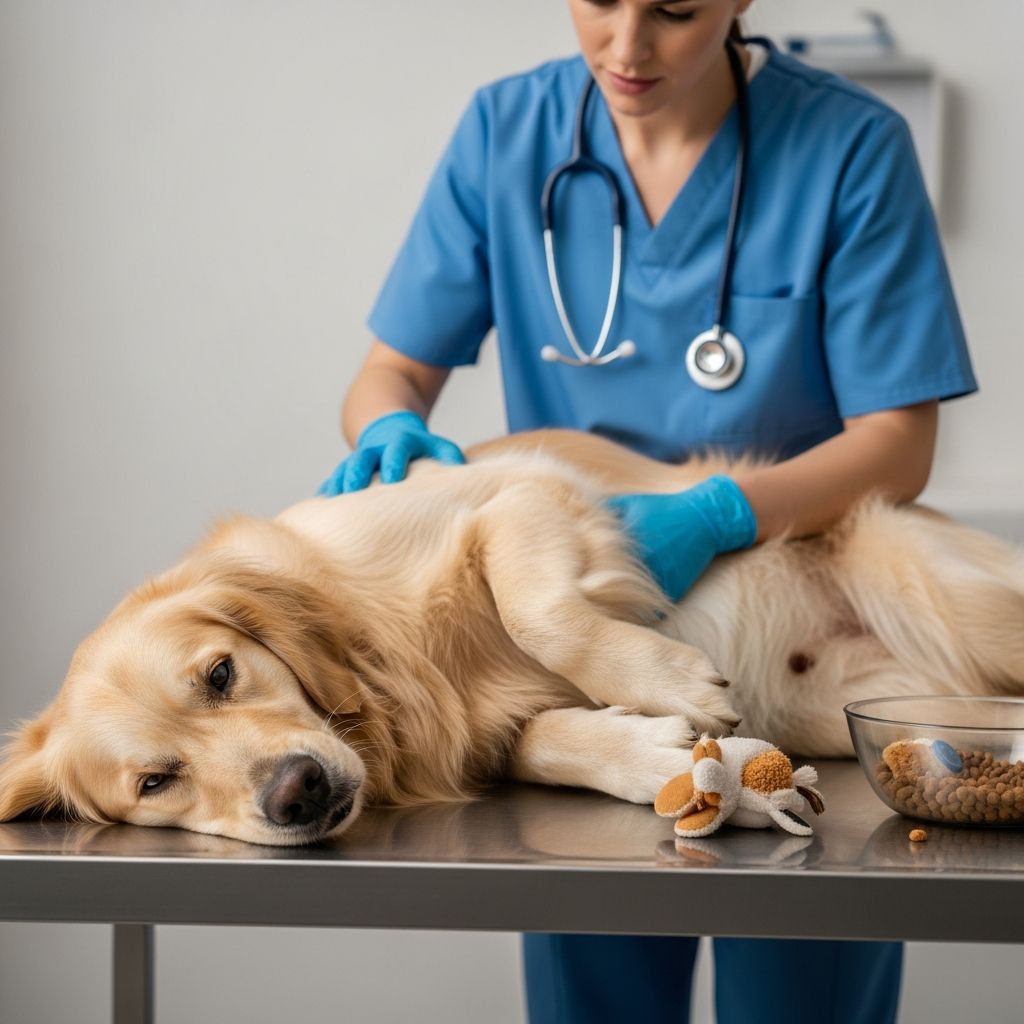
Understanding Canine Intestinal Blockage
Intestinal blockage in dogs is a serious medical condition that occurs when a foreign object becomes lodged in the dog’s digestive tract, preventing normal food and waste passage. Unlike simple upset stomachs or minor digestive issues, intestinal blockages require immediate veterinary attention and often necessitate surgical intervention. Understanding the signs, causes, and treatment options is crucial for any dog owner who wants to protect their pet’s health and potentially save their life.
Dogs are naturally curious creatures that explore their world through their mouths. This exploratory behavior can lead them to swallow objects they shouldn’t, including toys, bones, string, socks, and other household items. While some objects may pass through the digestive system naturally, others can become stuck, creating a potentially life-threatening emergency.
Common Signs and Symptoms of Intestinal Blockage
Recognizing the early signs of intestinal blockage is essential for prompt treatment. Many owners initially mistake the symptoms for a simple upset stomach, which can delay critical medical care. If your dog exhibits any combination of the following symptoms, contact your veterinarian immediately:
- Persistent vomiting or dry heaving
- Complete loss of appetite or significant decrease in eating
- Weakness and lethargy
- Excessive nausea or drooling
- Diarrhea or straining during bowel movements
- Inability to defecate or painful defecation
- Abdominal pain or tenderness when touched
- Continuous whining or signs of distress
- Abdominal bloating or swelling
- Dehydration evidenced by dry gums or sunken eyes
- Unusual restlessness or inability to get comfortable
- Aggressive behavior or pain response when the abdomen is touched
Timeline of Symptom Onset
The timeline for symptom development varies significantly depending on the blockage location and severity. Some dogs may show signs immediately after swallowing a foreign object, while others may not display symptoms for up to 24 hours. This variation makes it especially important to contact your veterinarian as soon as you suspect or witness your dog swallowing an inappropriate object, even if no symptoms are currently visible.
Severe and Life-Threatening Complications
Prolonged obstructions can lead to severe, potentially fatal complications. As the blockage persists, dogs may experience dehydration, malnutrition, and shock due to fluid and electrolyte imbalances. The obstruction can cause peritonitis, an inflammation of the stomach lining, or sepsis, a serious infection that triggers widespread organ inflammation. Additionally, portions of the intestinal wall can be cut off from blood circulation, leading to tissue death. These critical conditions present with alarming symptoms including excessive vomiting, rapid breathing, pale gums, yellowing of eyes or skin, extreme lethargy, and seizures.
Causes of Intestinal Blockage in Dogs
Understanding what causes intestinal blockages helps pet owners take preventive measures. While foreign objects are the most common culprits, other medical conditions can also cause blockages:
- Swallowed foreign objects: Toys, plastic items, bones, string, socks, and other household items
- Food-related blockages: Bones, corn cobs, peach pits, or other indigestible food items
- Hernias: Internal hernias that compress the intestinal tract
- Torsions: Twisting of the intestines or stomach
- Intussusception: Telescoping of one section of intestine into another
- Tumors or growths: Cancerous or benign masses that obstruct the digestive tract
- Inflammatory conditions: Severe inflammation narrowing the intestinal passage
Diagnostic Procedures
When you bring your dog to the veterinarian with suspected intestinal blockage, they will perform several diagnostic tests to confirm the condition and determine its severity. These may include physical examination of the abdomen, blood work to assess organ function and electrolyte levels, and imaging studies such as X-rays or ultrasound to visualize the blockage. In some cases, endoscopy may be used both diagnostically and therapeutically.
Treatment Options for Intestinal Blockage
Treatment approaches vary based on the blockage severity, location, object size, and your dog’s overall health. Your veterinarian will recommend the most appropriate option after thorough evaluation.
Conservative Management and Hospitalization
In some cases, particularly with partial blockages or when the object may pass naturally, your veterinarian may recommend hospitalization with supportive care. During this phase, your dog receives intravenous fluids to combat dehydration and restore electrolyte balance. Medications for pain management and nausea may be administered to improve comfort. Medical therapy combined with fluid administration sometimes allows small objects to move through the intestinal tract naturally. Your veterinarian will monitor progress with repeated radiographs to track the object’s movement.
Endoscopic Removal
When a foreign object is lodged in the upper digestive tract or stomach, your veterinarian may perform endoscopy. This minimally invasive procedure involves inserting a long, flexible tube equipped with a camera and retrieval forceps into the stomach and upper intestine. The veterinarian uses the camera to visualize the object and manipulates the forceps to grasp and remove it through the dog’s mouth. This approach offers significant advantages including reduced invasiveness, shorter recovery time, and lower cost compared to surgery. However, it’s not suitable for all blockages, particularly those located deeper in the intestines or involving large or sharp objects.
Surgical Intervention
Most complete intestinal blockages require surgical removal, making this the most common treatment option. Surgery becomes necessary when conservative management fails, when the obstruction shows no sign of passing, or when complications develop.
The Surgical Procedure
Intestinal blockage surgery is a major procedure requiring general anesthesia. The veterinarian makes an incision into the abdomen near the blockage site, carefully visualizes the obstruction, and extracts the foreign object. The surgeon must carefully examine the intestinal wall for damage caused by the blockage and repair any tears or perforations. After removing the object, the veterinarian assesses the viability of the intestine by checking its color, blood supply, and peristalsis (natural movement). In cases where significant damage has occurred, the affected section of intestine must be removed and the healthy ends reconnected in a procedure called resection and anastomosis.
Recovery Following Surgery
Following surgery, your dog will remain hospitalized for several days for close monitoring and recovery. The duration depends on the surgery’s complexity and your dog’s overall condition. Pain management, fluid therapy, and monitored feeding are essential components of post-operative care. Your veterinarian will provide detailed discharge instructions including activity restrictions, medication administration, wound care, and dietary modifications during the recovery period.
Specialized Surgical Procedures
In specific cases, such as gastric dilatation-volvulus (stomach twisting), your veterinarian may recommend gastropexy, a procedure where the stomach is sutured to the intestinal wall to prevent future rotation. Certain dog breeds with deep chests are more susceptible to this condition and may benefit from preventative gastropexy surgery.
Cost Considerations
The financial aspect of treating intestinal blockage varies widely depending on the treatment approach chosen. Conservative management with hospitalization and supportive care is typically less expensive than surgical intervention. Endoscopic removal falls between these two options in terms of cost. Surgical removal, particularly if complications require resection and anastomosis, represents the most expensive treatment option. Pet insurance that covers emergency and surgical care can provide significant financial relief during these stressful situations.
Prevention Strategies
While not all blockages can be prevented, several measures significantly reduce the risk:
- Supervise play: Monitor your dog during playtime, especially with toys that can be destructed
- Choose appropriate toys: Select durable toys sized appropriately for your dog that cannot be easily destroyed or swallowed
- Secure household items: Keep strings, socks, underwear, and other small objects out of your dog’s reach
- Manage food access: Remove bones, corn cobs, and other indigestible food items from your dog’s environment
- Provide safe chewing options: Offer appropriate chew toys and rawhide alternatives under supervision
- Crate training: Use a crate to prevent unsupervised access to potentially dangerous items
- Regular training: Teach your dog “leave it” and “drop it” commands to prevent item ingestion
- Professional grooming: Regular grooming helps identify skin issues that might lead to excessive licking and hair swallowing
When to Seek Emergency Care
Certain symptoms warrant immediate emergency veterinary care rather than waiting for a regular appointment. Contact an emergency veterinary clinic if your dog experiences persistent vomiting, complete inability to eat or drink, severe abdominal pain, signs of shock (pale gums, rapid heartbeat, weakness), or if you witnessed your dog swallowing a foreign object. Time is critical with intestinal blockages, and delays in treatment can result in life-threatening complications.
Working With Your Veterinarian
Open communication with your veterinarian is essential when managing intestinal blockage. Be prepared to provide information about what your dog may have swallowed, when symptoms began, any recent dietary changes, and your dog’s medical history. Ask questions about the recommended treatment plan, expected outcomes, potential complications, and recovery timeline. Understanding your options allows you to make informed decisions about your pet’s care.
Frequently Asked Questions
Q: Can intestinal blockages pass on their own?
A: Small, smooth objects sometimes pass through the digestive system naturally. However, large objects, sharp items, or those causing complete blockages require medical intervention. Never assume an object will pass without veterinary evaluation, as delays can be dangerous.
Q: How long does recovery take after blockage surgery?
A: Most dogs require 2-4 weeks for full recovery after intestinal blockage surgery. Initial hospitalization typically lasts 3-5 days, followed by home recovery with activity restrictions and careful monitoring.
Q: What is the success rate for intestinal blockage surgery?
A: Success rates are high when surgery is performed promptly, often exceeding 90%. However, outcomes depend on blockage duration, tissue damage severity, and whether complications have developed.
Q: Is endoscopy better than surgery for blockage removal?
A: Endoscopy is less invasive when suitable, but it’s only effective for upper digestive tract blockages. Surgery is necessary for lower intestinal obstructions or when endoscopy fails or isn’t appropriate for the specific case.
Q: What should I feed my dog after blockage surgery?
A: Your veterinarian will provide specific dietary instructions. Initially, small amounts of bland food such as boiled chicken and rice are recommended, gradually returning to normal diet as recommended by your vet.
Q: How can I prevent my dog from swallowing foreign objects?
A: Supervision, appropriate toy selection, securing household items, and training commands like “leave it” are effective prevention strategies. Keep dangerous items out of reach and provide safe alternatives for chewing and play.
Q: Are certain dog breeds more prone to intestinal blockages?
A: Dogs with pica (eating non-food items) or those prone to eating quickly are at higher risk. Young dogs and breeds known for indiscriminate eating patterns may have increased blockage susceptibility.
References
- Intestinal Blockages In Dogs: Causes And Treatment — Atlantic Coast Veterinary Specialists. 2022-05-30. https://www.atlanticcoastvet.com/site/blog-long-island-vet/intestinal-blockages-in-dogs-causes-and-treatment
- What to Know About Intestinal Blockage in Dogs: Symptoms, Treatment, and Prevention — Violet Crown Veterinary Hospital. 2024. https://www.violetcrownvet.com/what-to-know-about-intestinal-blockage-in-dogs-symptoms-treatment-and-prevention
- Intestinal Blockages in Dogs: Symptoms & Treatment — Southwest Florida Veterinary Specialists. 2022-01-31. https://www.swfvs.com/site/blog/intestinal-blockages-dogs-symptoms-treatment
- Intestinal Blockage in Dogs: Signs, Symptoms, Treatments — American Kennel Club. 2024. https://www.akc.org/expert-advice/health/intestinal-blockage-in-dogs/
- Bowel Obstruction in Dogs: Signs, Symptoms & Treatment — Cerrito Cliffs Veterinary Clinic. 2022-03-15. https://www.cerbatcliffs.com/site/blog/dog-bowel-obstruction
Similar Articles








Read full bio of Sneha Tete




