

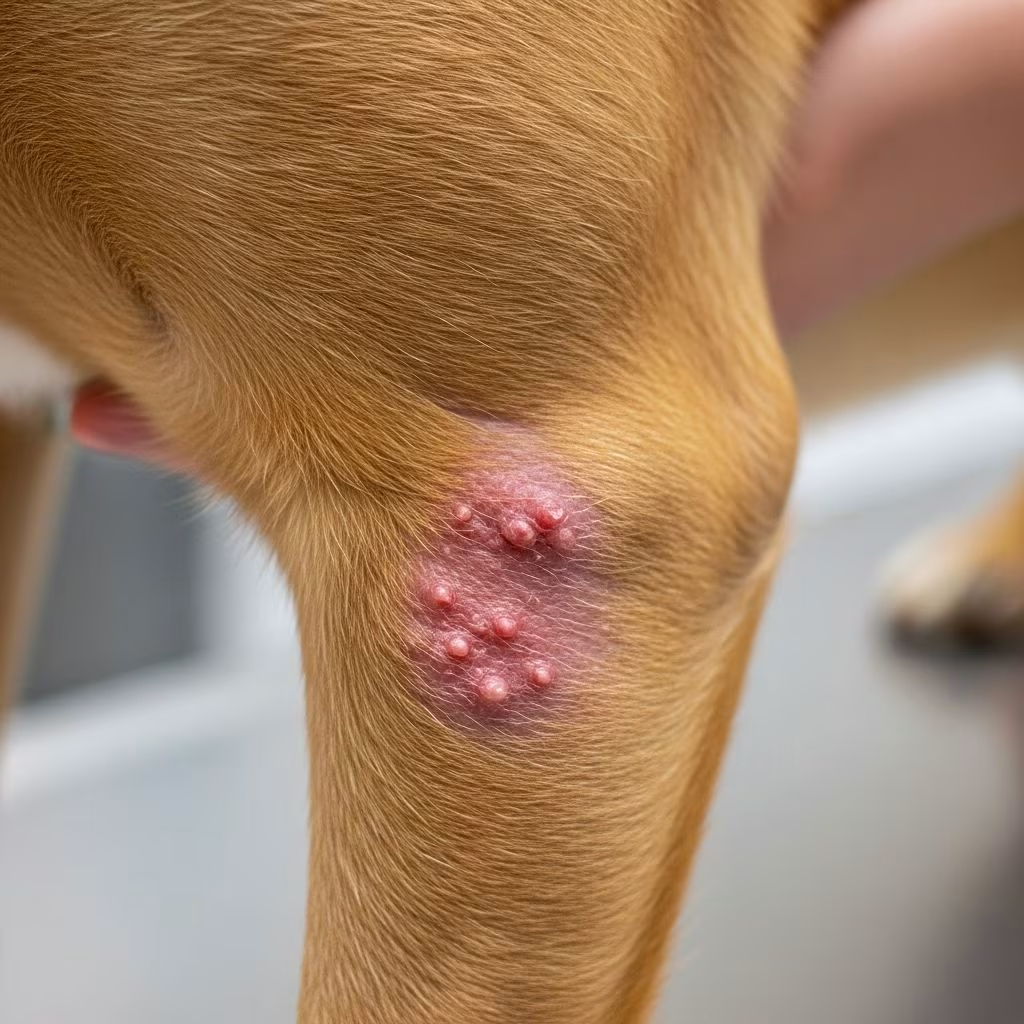
When your dog develops a rash on the inner thighs or legs, it can be concerning and uncomfortable for your pet. The inner leg area, being warm and often protected from direct air exposure, creates an environment where various skin conditions can develop and persist. A recurring rash in this location suggests an underlying issue that requires proper identification and management to prevent ongoing discomfort and potential complications.
The inner thighs and legs of dogs are particularly susceptible to skin problems because these areas experience friction, moisture accumulation, and reduced air circulation. Understanding what might be causing your dog’s rash is the first step toward providing effective relief and preventing future occurrences.
Primary Causes of Inner Leg Rashes in Dogs
Allergic Reactions and Sensitivities
Allergies represent one of the most common reasons dogs develop rashes on their inner legs and belly areas. These allergic responses can originate from multiple sources, each requiring different management approaches.
Food-based allergies occur when dogs react negatively to specific proteins, grains, or food additives in their diet. Common culprits include beef, chicken, dairy, and wheat. Dogs with food allergies often develop itching and skin inflammation that appears on multiple body areas, including the inner thighs.
Environmental allergies develop when dogs inhale or contact airborne irritants such as pollen, mold spores, dust mites, and grass particles. These seasonal or year-round allergies manifest as skin irritation, particularly in areas where the skin is thinner and more sensitive.
Contact allergies result from direct contact with irritating substances including certain fabric materials, laundry detergents, grooming products, or chemical cleaners. Since dogs spend considerable time lying down, their inner legs frequently contact bedding and floors, making this area vulnerable to contact dermatitis.
Bacterial and Fungal Infections
Secondary skin infections commonly develop on areas where a dog has already experienced irritation or damage to the skin barrier. Bacteria and fungi are opportunistic organisms that take advantage of compromised skin.
Bacterial infections, particularly those caused by Staphylococcus bacteria, represent the most frequent type of pyoderma (skin infection) in dogs. These infections thrive in warm, moist environments like the skin folds of the inner thighs. Symptoms include visible redness, pustules or small sores, hair loss in the affected region, and sometimes a distinct foul odor emanating from the rash.
Fungal infections, especially yeast infections, prefer warm and damp conditions. The inner leg area provides an ideal environment for fungal growth, particularly if moisture remains trapped in skin folds or if a dog has been swimming or bathed recently.
Parasitic Infestations and Mange
External parasites represent another significant cause of inner leg rashes in dogs. Fleas, ticks, mites, and lice can all cause intense itching and visible skin irritation.
Flea allergy dermatitis (FAD) develops in dogs with heightened sensitivity to flea saliva. Even a single flea bite can trigger a severe allergic response in susceptible dogs, causing redness, inflammation, and hair loss particularly around the belly and thighs.
Mange represents a more serious parasitic condition. Sarcoptic mange, caused by microscopic mites, leads to intense itching and crusty, thickened skin. Demodectic mange typically affects younger dogs or those with compromised immune systems and similarly results in skin inflammation and potential hair loss.
Heat-Related Skin Issues and Moisture Problems
Heat rash develops when dogs are exposed to hot, humid conditions for extended periods. This condition is especially common in breeds with thick coats or prominent skin folds. Additionally, trapped moisture in the skin folds of the inner legs creates an ideal breeding ground for both bacterial and fungal organisms, exacerbating irritation.
Dogs that spend time in humid environments, exercise heavily in warm weather, or are bathed frequently without proper drying are at increased risk for moisture-related skin problems in the inner leg region.
Recognizing Symptoms and When to Seek Veterinary Care
Several warning signs indicate that your dog’s inner leg rash requires professional attention. Persistent redness that doesn’t improve within a few days, visible pustules or open sores, hair loss extending across a larger area, foul odors from the affected skin, or signs that your dog is experiencing significant discomfort all warrant a veterinary consultation.
Recurring rashes—those that improve temporarily but return regularly—are particularly important to address, as they suggest an underlying condition that home care alone cannot resolve.
Diagnostic Approaches Used by Veterinarians
Professional diagnosis is essential for developing an effective treatment plan. Veterinarians employ several diagnostic methods to identify the underlying cause of your dog’s rash.
A thorough physical examination of the affected skin provides initial information about the rash’s appearance, distribution, and severity. The veterinarian will assess whether the condition involves hair loss, pustules, scaling, or other characteristic features.
Skin scrapings or cultures help identify parasitic infestations, bacterial infections, or fungal organisms. These laboratory tests provide definitive identification of infectious agents responsible for the rash.
Allergy testing becomes appropriate when allergies are suspected as the underlying cause. This might involve elimination diets for food allergies or intradermal skin testing for environmental allergies.
Blood work and other systemic evaluations may be recommended to rule out underlying health conditions that could contribute to skin problems.
Treatment Options for Inner Leg Rashes
Addressing the Underlying Cause
The most effective treatment strategy identifies and eliminates the root cause of the rash. If allergies are responsible, this might involve dietary modifications or environmental adjustments. For parasitic infestations, this means implementing appropriate parasite control measures.
Topical Treatments
Medicated shampoos containing soothing ingredients like aloe vera or oatmeal can provide relief and promote healing. These products are particularly helpful for mild rashes and can be used as maintenance therapy even after more intensive treatments conclude.
Topical creams and ointments deliver medication directly to affected areas. These products may contain antibacterial agents, antifungal compounds, or corticosteroids to reduce inflammation and kill infectious organisms.
Oral Medications
More severe cases often require oral medications administered by mouth. Antibiotics address bacterial infections, while antifungal medications combat fungal organisms. Corticosteroids reduce inflammation and itching associated with allergies.
Antihistamines such as over-the-counter options can alleviate itching and inflammation caused by allergic reactions.
Specialized Medical Treatments
Newer injectable medications like oclacitinib or lokivetmab provide advanced inflammation management for dogs with severe allergic responses. These treatments target specific immune pathways involved in allergic skin disease.
For autoimmune conditions causing rashes, immune system modifiers like cyclosporine or prednisone may be prescribed to suppress inappropriate immune responses.
Prevention and Long-Term Management Strategies
Parasite Prevention Programs
Consistent use of veterinarian-recommended flea and tick preventatives is essential for dogs prone to rashes. Modern preventatives are highly effective and come in various formulations including topical applications, oral medications, and collars.
Regular inspection of your dog’s skin, especially after outdoor activities, helps catch parasitic problems early before they cause significant irritation or secondary infections.
Environmental Management
Reducing environmental allergens involves regular washing of dog bedding and cleaning of living spaces where your dog spends time. Using mild, hypoallergenic detergents minimizes exposure to chemical irritants.
Maintaining cool, shaded areas prevents heat-related skin issues, and ensuring proper drying of your dog’s skin after bathing or swimming reduces moisture-related problems.
Nutritional Support
A balanced diet with high-quality ingredients supports overall skin health and immune function. Omega-3 fatty acid supplementation has demonstrated benefits for skin health and can help reduce inflammation associated with allergic skin disease.
If food allergies are suspected, working with your veterinarian to conduct an elimination diet—gradually introducing foods one at a time to identify triggers—can identify problematic ingredients and guide long-term dietary choices.
Common Questions About Dog Inner Leg Rashes
Can I treat my dog’s rash at home?
Minor rashes affecting small areas might improve with gentle cleaning, appropriate shampoos, and keeping the area dry. However, recurring rashes require professional diagnosis to identify underlying causes. Home treatment alone typically cannot resolve persistent skin problems.
How long does it take for treatment to work?
Timeline varies depending on the underlying cause and treatment approach. Acute infections may improve within one to two weeks of appropriate treatment, while chronic allergic conditions require ongoing management. Earlier treatment yields faster results, as established infections become progressively harder to eliminate.
Why does my dog’s rash keep coming back?
Recurring rashes indicate an ongoing trigger—whether allergies, chronic low-level infection, or continued parasite exposure—that hasn’t been fully addressed. Identifying and eliminating the root cause, rather than just treating symptoms, is necessary to prevent recurrence.
Are dog rashes contagious to humans?
Most dog rashes are not contagious to people. However, some fungal infections like ringworm and parasitic conditions can potentially affect humans. Your veterinarian can advise whether specific measures are needed to prevent transmission to family members.
Supporting Your Dog’s Recovery
Beyond medical treatment, proper supportive care accelerates healing. This includes maintaining good nutrition and hydration, providing appropriate grooming to keep the area clean without causing further irritation, and preventing your dog from excessively licking or scratching the affected area.
Protective collars (Elizabethan collars or e-collars) may be necessary to prevent trauma from constant licking, which can significantly delay healing and introduce additional infection.
Regular follow-up appointments with your veterinarian ensure that treatment is effective and allow for adjustments to the management plan as needed.
When Professional Help Is Essential
Contact your veterinarian promptly if your dog shows signs of severe allergic reactions including widespread hives or facial swelling, if the rash shows signs of infection (pus, increasing redness, or foul odor), if hair loss is extensive, or if your dog appears to be in significant discomfort.
Chronic or recurring rashes always warrant professional evaluation, as they typically indicate persistent underlying conditions that require targeted treatment rather than general symptom management.
References
- Dog Rash on Belly & Inner Thighs: What To Do — Lincolnway Veterinary Clinic. 2024. https://lincolnwayvet.com/blog/dog-rash-on-belly-inner-thighs/
- Dog Rash: Common Causes, Symptoms, and Treatments — Bond Vet. 2024. https://bondvet.com/blog/dog-rash
- The Common Causes, Symptoms, and Treatments of Dog Rash — Sunshine Pet Hospital. 2024. https://sunshinepethospital.com/the-common-causes-symptoms-and-treatments-of-dog-rash/
- 11 Common Types of Canine Dermatitis and Rashes with Pictures — Lavengel. 2024. https://lavengel.com/pages/skin-issues-rashes-and-dermatitis
- My Dog Has a Rash on Its Belly and Thighs. What Do I Do — Laurel Pets. 2024. https://laurelpets.com/blog/my-dog-has-a-rash-on-its-belly-and-thighs-what-do-i-do/
- Atopic Dermatitis (Atopy) — Cornell University College of Veterinary Medicine. 2024. https://www.vet.cornell.edu/departments-centers-and-institutes/riney-canine-health-center/canine-health-topics/atopic-dermatitis-atopy
- Dermatitis (red, inflamed, sore skin or a rash) in dogs — PDSA. 2024. https://www.pdsa.org.uk/pet-help-and-advice/pet-health-hub/symptoms/dermatitis-red-inflamed-sore-skin-or-a-rash-in-dogs



