
Dog Ingrown Toenails: Causes, Signs, and Treatment
Learn how to identify, treat, and prevent ingrown toenails in dogs with expert guidance.
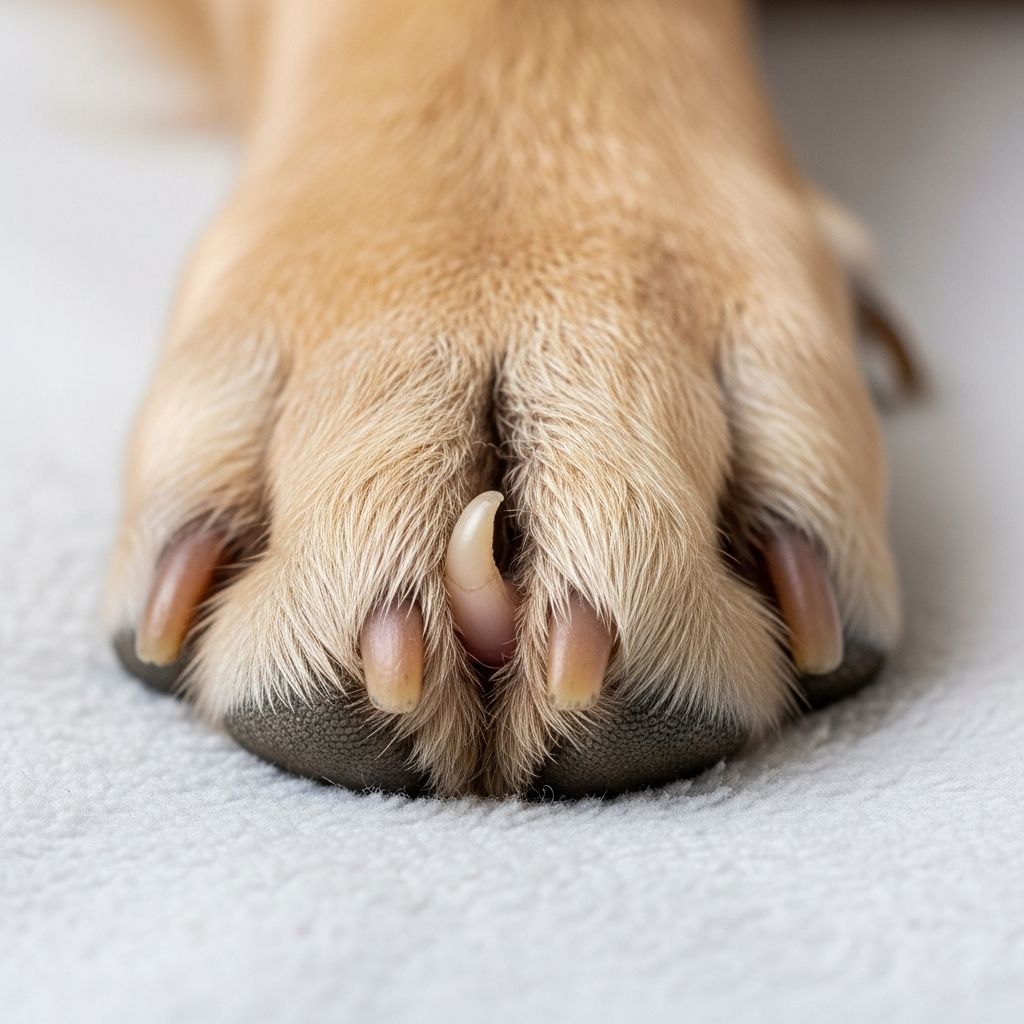
Understanding Dog Ingrown Toenails
An ingrown toenail occurs when a dog’s nail grows into the pad of the paw, causing pain and discomfort. This condition typically results from nail overgrowth and can affect dogs of any breed or age throughout their lifetime. When left untreated, ingrown toenails can lead to serious complications including inflammation, bleeding, infection, and even lameness in severe cases.
Understanding ingrown toenails is essential for pet owners because early detection and proper treatment can prevent your dog from experiencing prolonged pain and developing secondary infections. The condition is particularly common in dogs whose owners neglect regular nail maintenance or whose nails grow abnormally due to underlying health issues.
Recognizing the Signs and Symptoms
Identifying ingrown toenails early is crucial for preventing complications. Pet owners should watch for several telltale signs that indicate their dog may be suffering from this painful condition.
Common symptoms of ingrown toenails include:
– Excessive licking or chewing at the paws- Difficulty walking or limping, particularly favoring the affected paw- Visible redness and swelling around the nail and toe area- Bleeding or pus draining from the nail or surrounding tissue- Sensitivity or pain when the paw is touched- Inflammation of the paw pad and surrounding area- Crusting around the nail
Dogs experiencing ingrown toenails may show behavioral changes such as reluctance to play, decreased activity levels, or constant attention to the affected foot. Some owners report their dogs yelping in pain or showing signs of distress when walking on hard surfaces. These symptoms should prompt immediate veterinary attention to prevent infection and further complications.
Understanding the Causes
Several factors can contribute to the development of ingrown toenails in dogs. Understanding these causes can help pet owners implement preventative measures and reduce the risk of occurrence.
Nail Overgrowth
The primary cause of ingrown toenails is simply overgrowth of the nail. When nails grow too long, they can curve and eventually penetrate the paw pad. Dogs that don’t wear their nails down naturally through walking on rough surfaces or those whose owners neglect regular nail trimming are particularly susceptible to this problem.
Neglected Dew Claws
Dew claws are particularly prone to ingrown nail problems because they don’t make contact with the ground during normal walking. Neglected dew claws will often grow into a full circle, becoming severely ingrown. These claws require special attention and regular trimming to prevent complications.
Genetic and Structural Factors
Some dogs are predisposed to nail problems due to genetic factors or structural abnormalities. Deformed toes or curved nails can make a dog more likely to develop ingrown toenails, even with regular maintenance. Dogs with allergies or immune issues may also experience nail bed problems that increase susceptibility to ingrown nails.
Trauma and Injury
Previous trauma to the nail or toe area can result in broken or damaged nails that subsequently become ingrown. Improper nail trimming, whether done at home or by a groomer, can cause breaks or injury that lead to ingrown toenails.
Health Complications of Untreated Ingrown Toenails
Ignoring ingrown toenails can lead to serious health consequences for your dog. Understanding these potential complications emphasizes the importance of prompt treatment.
Potential complications include:
– Secondary bacterial or fungal infections- Permanent damage to the paw pad and surrounding tissue- Lameness or chronic limping- Chronic pain affecting quality of life- Spread of infection to surrounding tissues or bone- Loss of the affected nail in severe cases- Development of sore feet, legs, and hips due to altered gait- Permanent splaying of the toes, affecting foot appearance and function
Dogs that favor an affected paw for extended periods may develop compensatory pain in their legs and hips, potentially leading to arthritis or other musculoskeletal problems. In severe cases where infection reaches the bone, more invasive treatment or even amputation may become necessary.
Treatment Options for Ingrown Toenails
The appropriate treatment for ingrown toenails depends on the severity of the condition, the extent of any wound on the pad, and whether infection is present. Professional veterinary care is strongly recommended to ensure proper treatment and prevent complications.
Professional Veterinary Treatment
A veterinarian will examine the ingrown nail and clip it as needed, carefully cleaning out any wound and treating any existing infection. For severely ingrown nails, especially those from neglected dew claws, the veterinarian will use a scissor-type nail trimmer and clip in the middle of the circular nail. Once the nail portion is removed from the skin, hydrogen peroxide or antibiotic cream should be applied to the wound.
Antibiotic Therapy
Depending on infection severity, antibiotics may be prescribed as part of the treatment plan. Mild infections may be treated with topical and/or oral antibiotics, while severe infections affecting bone tissue may require intravenous antibiotics administered at a veterinary clinic or hospital. In severe cases or as a precaution against serious infection, oral or topical antibiotics may be prescribed to prevent complications.
Pain Management and Anti-Inflammatory Medication
Pain medications and anti-inflammatory drugs may be prescribed to reduce discomfort and inflammation while the wound heals. These medications help keep your dog comfortable during recovery and may be necessary for several days or weeks depending on healing progress.
At-Home Care and Over-the-Counter Remedies
Veterinarians often recommend soaking the affected paw in a solution of Epsom salt and warm water to promote healing and reduce pain. Antiseptic sprays are available over-the-counter to keep the affected area clean and reduce symptoms. Chlorhexidine wipes may also be sent home to cleanse the area regularly.
Surgical Options for Recurring Problems
In cases where a deformed dew claw or toe is causing recurring ingrown nail problems, veterinarians may recommend declawing that specific toe to prevent the condition from happening again. This surgical option is typically considered when conservative treatments fail or when the nail chronically regrows in a problematic manner.
Prevention Strategies
Regular nail maintenance is the most effective way to prevent ingrown toenails in dogs. Implementing consistent preventative measures can significantly reduce the risk of this painful condition.
Regular Nail Trimming
The most important preventative measure is regular nail trimming. Pet owners should clip their dog’s nails with appropriate dog nail clippers every four weeks or so. Regular trimming prevents nails from becoming elongated and painful. Elongated nails can affect the comfort and health of dogs, making it difficult for them to place their full body weight on their feet without pain.
Preventing Long-Term Health Issues
Maintaining proper nail length prevents dogs from developing sore feet, legs, and hips caused by the altered gait that accompanies overgrown nails. Regular trimming also prevents toes from becoming permanently splayed, which can ruin the foot’s neat, tight appearance and make walking and running painful experiences that impact quality of life.
Special Attention to Dew Claws
Dew claws require special attention since they don’t naturally wear down. These claws should be trimmed even more frequently than regular nails and monitored closely for signs of curling or ingrowth.
Professional Grooming
Regular professional grooming services can help maintain healthy nails. However, it’s important to choose reputable groomers who handle this task carefully and safely. Poor nail trimming technique can cause breaks or injuries that lead to ingrown nails.
When to Seek Veterinary Care
Certain situations warrant immediate veterinary attention. A perforated footpad is not a minor issue—the wound it causes can easily become infected and should be checked by a veterinarian who may prescribe antibiotics to prevent or treat infection.
Contact your veterinarian immediately if you notice:
– Signs of infection such as pus, excessive swelling, or red streaking- Severe pain or lameness- Bleeding that doesn’t stop after a few minutes- Signs that infection is spreading to surrounding tissues- Your dog showing reluctance to bear weight on the affected paw
Impact on Quality of Life
Untreated ingrown toenails significantly impact a dog’s quality of life. Pain and discomfort affect their ability to play, exercise, and enjoy normal activities. The chronic pain may lead to behavioral changes, anxiety, and reduced appetite. By addressing ingrown toenails promptly and implementing preventative measures, pet owners can ensure their dogs remain active, comfortable, and happy.
Working with Your Veterinarian and Groomer
If an ingrown toenail occurs due to grooming error, reputable groomers typically acknowledge the issue and may offer to reimburse you for the veterinary visit or provide credit toward future grooming services. Open communication with both your veterinarian and groomer helps prevent future incidents and ensures your dog receives the best possible care.
Frequently Asked Questions
Q: Can ingrown toenails heal on their own?
A: While minor ingrown toenails might improve with home care, professional veterinary treatment is strongly recommended. Attempting to treat severe ingrown toenails at home risks infection and further complications. A veterinarian should assess the condition and provide appropriate treatment.
Q: How much does treatment for an ingrown toenail cost?
A: Treatment costs vary widely based on the type of treatment needed, geographic location, veterinary clinic, and whether sedation is required. Discussing costs with your veterinarian during the initial examination can help you understand the financial investment required for treatment.
Q: How often should I trim my dog’s nails?
A: Dogs should have their nails trimmed every four weeks or so. However, individual dogs may have different needs depending on their activity level, age, and how quickly their nails grow. Your veterinarian can recommend the appropriate trimming schedule for your specific dog.
Q: Can ingrown toenails be prevented?
A: Yes, most ingrown toenails can be prevented through regular nail maintenance, proper trimming technique, and routine monitoring. Keeping nails at an appropriate length and paying special attention to dew claws significantly reduces the risk of ingrown toenails.
Q: Are certain dog breeds more prone to ingrown toenails?
A: While ingrown toenails can affect any breed or age of dog, breeds with naturally curved or deformed nails may be more susceptible. Additionally, dogs with allergies or immune issues may experience nail problems more frequently. Discuss breed-specific concerns with your veterinarian.
Q: What should I do if my dog has an ingrown toenail?
A: Schedule an appointment with your veterinarian as soon as possible. Your vet will assess the severity, remove the ingrown portion if necessary, clean the wound, and prescribe treatment such as antibiotics or pain medication. Do not attempt complex treatment at home without professional guidance.
References
- Ingrown Toenails on Pets — Eastern Shore Veterinary Hospital. 2017. https://www.easternshorevet.ca/resources/blog/august-2017/ingrown-toenails-on-pets
- Dog Nail Infection: Symptoms, Causes and Treatment Options — CareCredit. Written by Yasmine S. Ali, M.D. https://www.carecredit.com/well-u/health-wellness/dog-nail-infection/
- Dog’s Ingrown Toenail — Chewy Education. https://www.chewy.com/education/dog/health-and-wellness/dogs-ingrown-toenail
- What to Do If Your Pet has an Ingrown Nail — Champion Feed and Pet. https://championfeedandpet.com/blog/59486/what-to-do-if-your-pet-has-an-ingrown-nail
- Dog Nail Problems You Should Know About — VetDERM Clinic. https://www.vetdermclinic.com/dog-nail-problems-you-should-know-about/
- Nail Infections in Dogs — PetMD. https://www.petmd.com/dog/conditions/skin/nail-infections-dogs
- Claw and Nail Disorders in Dogs – Symptoms, Causes, Diagnosis — Wag Walking. https://wagwalking.com/condition/claw-and-nail-disorders
- Nail problems in dogs — Joii Pet Care. https://www.joiipetcare.com/blogs/health-conditions/nail-problems-in-dogs
- Is it serious if my dog appears to have an ingrown toenail, or should I… — DialAVet. https://www.dialavet.com/vet-answers/dog-ingrown-toenail-care-373785
Similar Articles








Read full bio of medha deb




