

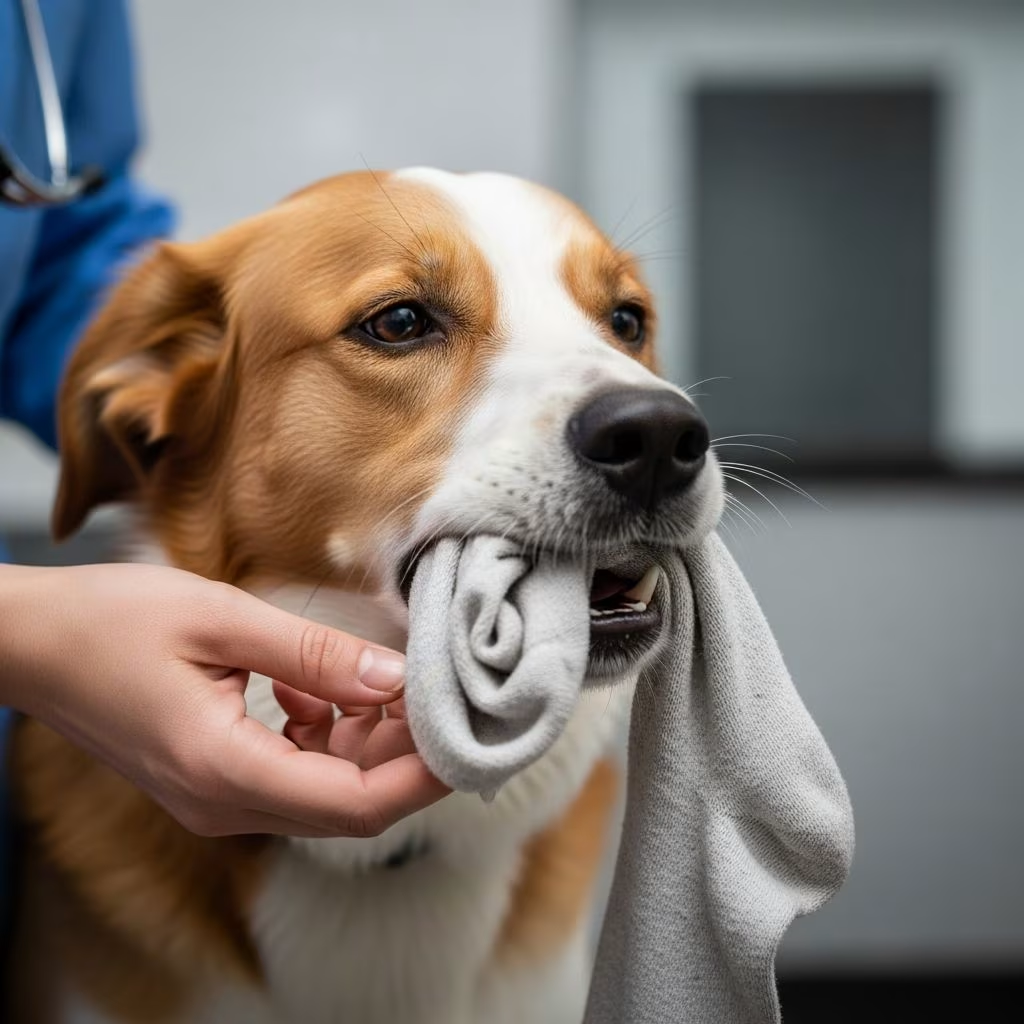
Discovering that your dog has swallowed a sock can trigger panic in any pet owner. While not every case results in severe complications, sock ingestion represents a legitimate health concern that demands prompt attention and careful management. Understanding the proper response protocol can make the difference between a minor incident and a life-threatening emergency.
Why Sock Ingestion Poses a Serious Risk
When a dog swallows a sock, the fabric can become lodged anywhere along the digestive tract, from the esophagus to the intestines. Unlike food that breaks down naturally, a sock remains intact and can create an obstruction that prevents normal digestive flow. The problem intensifies when the sock blocks the intestinal passage, as this puts pressure on the intestinal walls and restricts blood flow to surrounding tissues.
The consequences of an untreated blockage can be catastrophic. Prolonged obstruction may lead to intestinal rupture, tissue death, internal bleeding, and life-threatening infections within the abdominal cavity. In worst-case scenarios, delayed treatment can result in organ failure and death. This severity explains why veterinary professionals emphasize immediate action, even when your dog appears completely normal.
However, it’s important to note that not all sock ingestions result in blockages. Some dogs pass the sock without incident, while others experience mild digestive discomfort. The outcome depends on several factors, including your dog’s size, the sock’s material and size, and how quickly treatment begins if needed.
Immediate Steps to Take When Sock Ingestion Occurs
Step One: Stay Calm and Assess the Situation
Your first priority is maintaining composure. Panic can cloud judgment and cause you to make hasty decisions that might worsen the situation. Take a moment to gather information about what happened. Try to determine the approximate time of ingestion, whether the sock was chewed into pieces or swallowed whole, and the sock’s material composition. This information becomes crucial when you speak with your veterinarian.
Observe your dog’s current behavior and physical state. Is your dog breathing normally? Can they swallow saliva? Are they showing signs of distress such as excessive drooling, gagging, or pawing at the mouth? These observations help distinguish between a choking emergency requiring immediate intervention and other scenarios requiring veterinary guidance.
Step Two: Contact Your Veterinarian Without Delay
Once you’ve gathered basic information, contact your veterinary clinic immediately. Don’t assume that because your dog seems fine, a vet visit can wait. Many dangerous situations don’t produce obvious symptoms in the early stages, and early intervention dramatically improves outcomes.
When speaking with your veterinarian, provide specific details: the timing of ingestion, your dog’s size and breed, whether the sock was consumed whole or in pieces, and any current symptoms your dog is displaying. Your veterinarian will use this information to assess risk level and determine the appropriate course of action. They may recommend immediate examination, monitoring at home, or emergency imaging depending on the circumstances.
If your regular veterinary clinic is closed, contact an emergency veterinary hospital. Many areas have 24/7 emergency facilities staffed with specialists trained in foreign body management. Time is critical in these situations, making immediate professional guidance essential.
Step Three: Follow Your Veterinarian’s Specific Recommendations
Your veterinarian may suggest various interventions based on the timing and circumstances of ingestion. If your dog swallowed the sock within the past 1-2 hours and your vet determines it’s appropriate, they might induce vomiting to retrieve the sock before it passes into the intestines. This procedure is most effective when performed early, before the sock enters the small intestine.
For cases where the sock has likely progressed further into the digestive system, your veterinarian might recommend abdominal imaging such as X-rays or ultrasound to locate the sock and determine if an obstruction exists. Imaging helps guide decisions about whether monitoring or intervention is necessary.
In more serious situations where blockage is confirmed or strongly suspected, your veterinarian may recommend surgery to remove the sock before complications develop. Modern surgical techniques, combined with appropriate pain management and supportive care, have excellent success rates for foreign body removal.
What to Do If Your Dog Is Actively Choking
Though choking on a sock is relatively uncommon, knowing how to respond if it occurs can save your dog’s life. Choking presents as visible respiratory distress: your dog cannot breathe normally, may make high-pitched sounds, and shows obvious panic.
If your dog is choking, take these immediate steps:
- First, determine if the sock is visible in your dog’s mouth or throat
- If visible and easily accessible, carefully attempt to remove it with your fingers, taking care not to push it further down
- Perform abdominal thrusts by standing behind your dog, placing your fist just below the ribcage, and applying firm upward pressure repeated five times
- For smaller dogs, hold them against your chest before performing the thrusts
- If abdominal thrusts don’t dislodge the sock, apply five sharp blows to the back between the shoulder blades
- Check the mouth again for the sock and repeat the sequence if necessary
- Contact emergency veterinary care immediately, even if you successfully remove the sock
Remember that a choking dog may bite reflexively, so use caution when inserting your fingers into their mouth. If you cannot safely access the sock, do not waste time attempting removal—proceed directly to emergency veterinary care.
Veterinary Examination and Diagnostic Procedures
When you bring your dog to the veterinarian’s office, the professional will conduct a thorough physical examination. This includes checking vital signs, palpating the abdomen for pain or abnormal masses, and assessing your dog’s overall condition. Your veterinarian will also review your dog’s medical history and current medications, as these factors influence treatment decisions.
Diagnostic imaging plays a crucial role in sock ingestion cases. Abdominal X-rays can reveal the sock’s location, particularly if it’s creating an obvious obstruction. Ultrasound provides additional detail about the sock’s position relative to internal organs and can show whether fluid is accumulating abnormally in the abdomen. These imaging studies help your veterinarian determine whether the situation requires immediate surgical intervention or whether careful monitoring is appropriate.
In some cases, your veterinarian might recommend endoscopy, a minimally invasive procedure using a camera to visualize the inside of the esophagus and stomach. If the sock is in the stomach and hasn’t progressed to the intestines, endoscopy allows your veterinarian to retrieve it without surgery.
Post-Ingestion Monitoring and Care
The Critical Monitoring Window
If your veterinarian determines that monitoring at home is appropriate, you’ll need to observe your dog closely for the next 24-48 hours, though monitoring may extend longer in some cases. This observation period is critical because symptoms of blockage or complications can develop gradually.
Watch for changes in your dog’s behavior, appetite, and bowel habits. Document your dog’s food and water intake, as decreased eating or drinking might indicate problems. Pay close attention to bathroom habits—this is where you’ll potentially see the sock if it passes naturally through the digestive system.
Signs Requiring Immediate Veterinary Attention
During the monitoring period, contact your veterinarian immediately if your dog displays any of these warning signs:
- Persistent vomiting or retching
- Abdominal distension or visible bloating
- Severe abdominal pain indicated by whimpering, unusual posture, or reluctance to move
- Loss of appetite lasting more than a few hours
- Lethargy or unresponsiveness
- Diarrhea or constipation lasting more than 12 hours
- Fever or signs of illness
- Difficulty defecating or straining excessively
Supportive Care During Recovery
Your veterinarian may recommend specific supportive measures while your dog’s digestive system processes the situation. This might include temporarily withholding food to rest the gastrointestinal tract, offering small amounts of water, or feeding bland foods once eating resumes. Your veterinarian might prescribe anti-nausea medication, pain relievers, or antibiotics to prevent infection.
If your dog does pass the sock naturally, the process can be uncomfortable. The fabric may cause mild intestinal irritation as it moves through, and your dog might experience temporary discomfort. Your veterinarian can provide medications to manage pain and nausea during this process. Ensure your dog has access to fresh water to maintain hydration, as passing a foreign object can temporarily affect fluid balance.
Special Considerations for Puppies and Specific Situations
Young puppies require particularly careful attention when they ingest socks. A puppy’s smaller digestive tract means even a regular-sized sock poses significant blockage risk. Veterinarians typically recommend more aggressive intervention for puppies, including earlier imaging and lower thresholds for surgical removal. If you have a puppy who has eaten a sock, contact your veterinarian immediately and follow their advice precisely.
The sock’s material also influences risk level. Thick, densely woven socks pose greater blockage risk than lightweight, loosely knit ones. Similarly, socks with elastic bands present additional hazard, as the elastic can create a tourniquet effect, cutting off blood supply to intestinal tissue. Inform your veterinarian about these material details.
If your dog has a history of eating inappropriate items, your veterinarian might recommend more preventive measures, including dietary management, environmental modifications, and behavioral training to reduce repetition.
Prevention Strategies for Future Protection
While responding appropriately to sock ingestion is critical, prevention should be your long-term goal. Keep socks and other small textiles in closed drawers or hampers your dog cannot access. During laundry days, ensure socks don’t end up on floors where curious dogs might find them. Provide appropriate toys that satisfy your dog’s chewing instincts, reducing the likelihood they’ll seek alternative objects.
If your dog shows particular interest in eating non-food items, discuss this behavior with your veterinarian. In some cases, this pica behavior indicates nutritional deficiencies, health problems, or anxiety that can be addressed with appropriate treatment or behavioral modification.
Frequently Asked Questions
How long does it typically take for a sock to pass through a dog’s system?
If the sock successfully passes through the digestive system without causing blockage, passage typically occurs within 24-48 hours. However, individual variation exists based on your dog’s size, digestive speed, and the sock’s characteristics. Some dogs may pass it faster, while others might require several days.
Should I induce vomiting at home?
No. Inducing vomiting without veterinary guidance is dangerous. The sock could become lodged in the throat during vomiting, causing choking or additional injury. Only your veterinarian should make decisions about inducing vomiting, and only when the timing and circumstances make it appropriate.
What does sock passage look like in stool?
The sock will appear in your dog’s stool looking much like it did when swallowed, though potentially frayed or partially dissolved if it’s been partially digested. You may see pieces of it rather than the complete sock, depending on whether it broke apart in the digestive tract.
Is surgery always necessary for sock ingestion?
No. Surgery becomes necessary only when blockage occurs and the sock cannot be retrieved through less invasive methods like vomiting induction or endoscopy. Many cases resolve with monitoring alone. Your veterinarian determines whether surgery is necessary based on imaging, symptoms, and your dog’s response to initial interventions.
Can I give my dog anything to help the sock pass?
Do not give your dog anything without explicit veterinary approval. Well-meaning remedies like oils or laxatives can sometimes make situations worse. Your veterinarian will provide specific guidance about diet and any supplements that might help during recovery.
Understanding Treatment Costs and Duration
The financial aspect of sock ingestion treatment varies dramatically depending on whether monitoring, imaging, endoscopy, or surgery is required. Simple veterinary consultations cost significantly less than emergency surgery with hospitalization. Understanding these potential costs helps you make informed decisions and plan accordingly. Many veterinary clinics offer payment plans for emergency procedures, so discuss financial options with your veterinarian.
Recovery duration also varies. Dogs who pass socks naturally recover within days once the sock is eliminated. Dogs undergoing surgery require longer recovery periods, typically involving several weeks of restricted activity, multiple follow-up visits, and careful monitoring for surgical complications.
Conclusion: Knowledge and Quick Action Save Lives
Sock ingestion in dogs ranges from benign incidents to life-threatening emergencies, with outcomes largely determined by how quickly you respond. Immediate veterinary consultation, careful monitoring, and adherence to professional guidance dramatically improve your dog’s prognosis. While the situation warrants serious attention, thousands of dogs recover fully from sock ingestion each year through appropriate veterinary management. Stay vigilant, act decisively, and maintain close communication with your veterinarian throughout the process.
References
- My Dog Ate a Sock, What Should I Do? 4 Vet-Approved Steps — Dogster. 2024. https://www.dogster.com/dog-health-care/dog-ate-a-sock-what-to-do
- My Dog Ate A Sock. What Should I Do? — Rover.com. 2024. https://www.rover.com/blog/dog-ate-sock/
- What to Do If Your Dog Swallowed Something They Shouldn’t Have — PetMD. 2024. https://www.petmd.com/dog/emergency/common-emergencies/e_dg_swallowed_objects
- What To Do If Your Dog Eats a Sock or Other Foreign Object — ReadiVet. 2024. https://www.readivet.com/blog/what-to-do-if-your-dog-eats-a-sock-or-other-foreign-object/
- Treatment of Foreign Body Ingestion — Animal Emergency & Specialty Center. 2024. https://www.aescparker.com/blog/my-dog-swallowed-a-sock-my-cat-swallowed-string-now-what



