
Dog Incontinence Guide
Comprehensive insights into causes, symptoms, diagnosis, and effective treatments for urinary incontinence in dogs to help pet owners manage and improve their dog's quality of life.
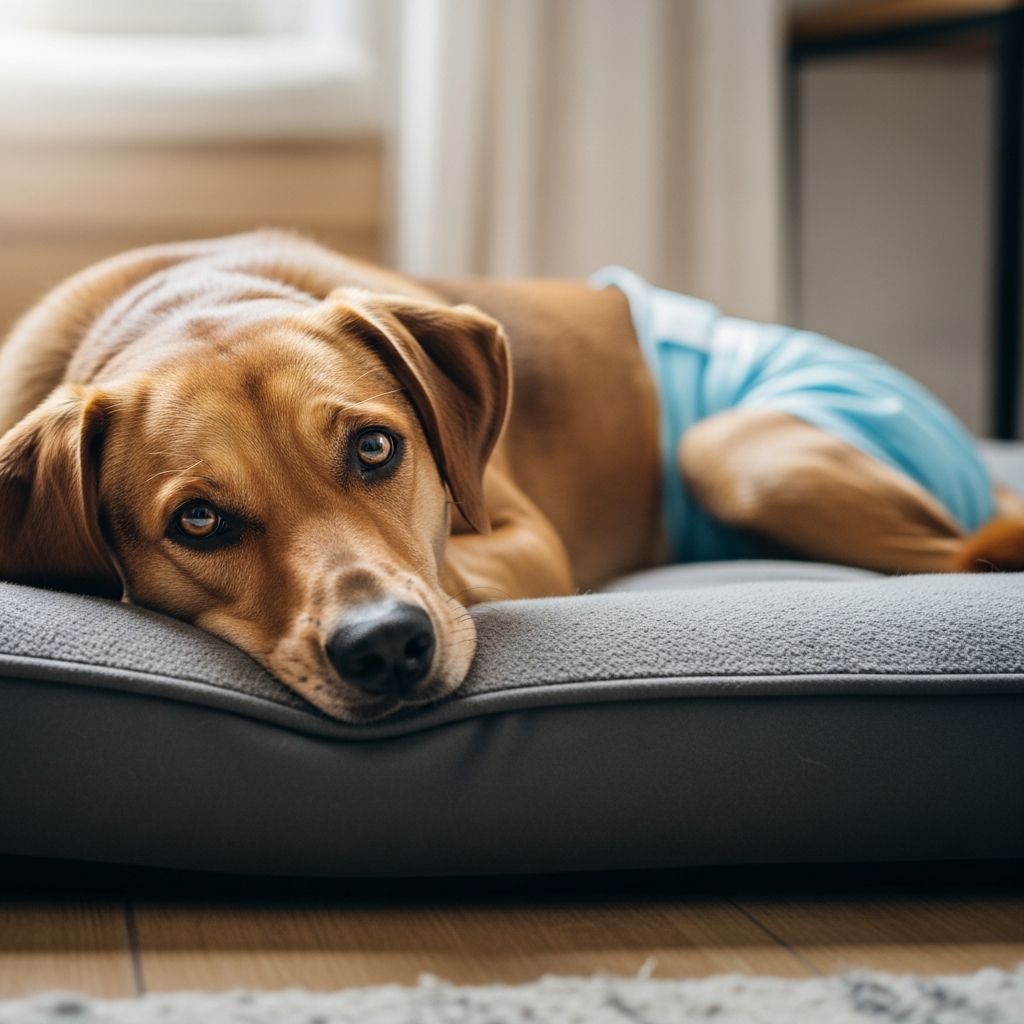
Urinary incontinence affects many dogs, leading to involuntary urine leakage that impacts their comfort and home environment. This condition often stems from weakened bladder control mechanisms or underlying health issues, but with proper diagnosis and management, most dogs achieve significant improvement.
Recognizing the Signs of Bladder Control Problems
Dogs with incontinence typically show subtle yet consistent indicators that owners can spot during daily routines. Common signs include discovering wet patches on sleeping areas, fur that remains damp around the hindquarters, and frequent licking of the genital region to clean leaked urine. These symptoms may worsen at night when the dog is relaxed or asleep, resulting in larger puddles. Unlike intentional urination, leaks occur without posture or effort, distinguishing them from behavioral marking.
- Wet bedding or furniture after the dog rests
- Matted or stained fur near the vulva or penis
- Strong urine odor lingering in the home
- Irritation or redness around the genitals from constant moisture
- Accidents in previously house-trained pets
Early detection prevents secondary issues like skin infections from prolonged exposure to urine, emphasizing the need for prompt veterinary attention.
Primary Causes Behind Urine Leakage
Multiple factors contribute to canine urinary incontinence, ranging from age-related weakening to congenital defects. Understanding the root cause guides effective intervention.
Urethral Sphincter Mechanism Incompetence (USMI)
USMI represents the leading cause, particularly in spayed females, where the urethral muscles fail to hold urine properly. Estrogen decline post-spaying weakens these muscles, compounded by obesity, aging, or breed predispositions in larger dogs. Males experience it less frequently but share similar risk factors like hormonal shifts.
Infections and Urinary Tract Disorders
Bacterial urinary tract infections (UTIs) irritate the bladder, causing leakage alongside straining or frequent small voids. Bladder stones, or uroliths, create obstruction and inflammation, mimicking incontinence symptoms. These conditions demand targeted antimicrobial or dietary therapies.
Hormonal and Metabolic Imbalances
Diseases prompting excessive thirst and urination, such as diabetes mellitus, Cushing’s disease (hyperadrenocorticism), or kidney failure, overwhelm bladder capacity. Prostate issues in intact males also disrupt normal function, while diabetes insipidus leads to dilute urine production.
Neurological and Structural Abnormalities
Spinal cord injuries, disc disease, or tumors impair nerve signals to the bladder, leading to overflow incontinence. Congenital ectopic ureters, where kidney tubes bypass the bladder, cause lifelong dribbling from puppyhood. Trauma, hernias, or toxin exposure further compromises control.
| Cause Category | Common in | Key Features |
|---|---|---|
| USMI | Spayed females, seniors | Leakage when resting, responds to meds |
| UTI/Stones | All ages | Straining, blood in urine |
| Hormonal Diseases | Middle-aged+ | Increased thirst, dilute urine |
| Neurological | Injured breeds (e.g., Dachshunds) | Weak hind legs, overflow leaks |
Diagnostic Approaches for Accurate Identification
Veterinarians employ a stepwise process to pinpoint incontinence origins, starting with history and physical exams. Urinalysis detects infections, crystals, or dilute urine, while urine cultures identify bacteria. Blood panels screen for diabetes, kidney function, and hormonal disorders. Imaging like ultrasound or contrast studies reveals stones, tumors, or ectopic ureters. Advanced neurological assessments, including myelograms, evaluate spinal issues.
- Owner interview on symptom onset and patterns
- Physical check for pain, obesity, or atrophy
- Lab tests: CBC, chemistry, urinalysis/culture
- Imaging: X-rays, ultrasound, cystoscopy
- Specialized: Spinal taps or MRI if needed
This comprehensive evaluation ensures treatments address the true problem, avoiding ineffective guesswork.
Treatment Strategies Tailored to the Cause
Management varies by diagnosis, prioritizing reversible causes first. Most dogs respond well, regaining continence and normal activities.
Pharmacological Interventions
For USMI, phenylpropanolamine (PPA) strengthens urethral tone, effective in most cases with lifelong dosing. Estrogen supplements like estriol (Incurin) or diethylstilbestrol (DES) enhance muscle responsiveness, often combined with PPA for refractory cases. Males may receive testosterone. Antibiotics clear UTIs, while diets dissolve certain stones.
Surgical and Procedural Options
Congenital defects like ectopic ureters require repositioning surgery. Colposuspension elevates the bladder neck for support. Urethral bulking with collagen or stem cells mechanically occludes leaks, achieving continence in 68% of treated dogs for up to 17 months, per UC Davis studies. Stone removal via cystotomy addresses blockages.
Supportive and Lifestyle Measures
Weight reduction alleviates pressure on the urinary system. Frequent potty breaks prevent overflow. Manual bladder expression aids paralyzed dogs. Addressing primary diseases like diabetes stabilizes output. Monitoring adjusts meds as needed.
Preventive Measures and Long-Term Care
While not all cases are preventable, spaying timing influences USMI risk—delaying in large breeds may help. Maintaining ideal weight, prompt UTI treatment, and regular check-ups catch issues early. Home hygiene with waterproof bedding and gentle cleaners reduces skin risks. Lifelong meds demand adherence, with periodic vet rechecks for dose tweaks.
When to Seek Immediate Veterinary Help
Rush to the vet if incontinence pairs with lethargy, vomiting, blood in urine, or mobility loss—these signal urgent issues like stones or infections. Sudden onset in puppies suggests congenital problems needing swift imaging.
Frequently Asked Questions (FAQs)
Is dog incontinence curable?
Many achieve full continence with treatment, though USMI often requires ongoing meds. Success rates exceed 80% for medical therapy.
Does spaying cause incontinence?
It increases USMI risk due to estrogen drop, especially in larger breeds, but benefits outweigh risks for most.
Can diet help with dog incontinence?
Special urinary diets prevent stones and dilute urine in metabolic cases, supporting overall management.
How much do incontinence meds cost?
Monthly costs range $20-50 for PPA or estrogens, varying by dog size and pharmacy.
Will my dog need surgery?
Only 10-20% of cases; meds suffice for most USMI and infections.
Prognosis and Quality of Life Outlook
Treated dogs enjoy extended, active lives with minimal accidents. Combining meds, diet, and monitoring yields excellent outcomes, fostering strong owner-pet bonds.
References
- What Causes Urinary Incontinence in Dogs and How Do You Treat It? — PetMD. 2023. https://www.petmd.com/dog/general-health/incontinence-senior-dogs-what-do-and-how-help
- Urinary Incontinence in Dogs: Signs, Causes, Treatments — Best Friends Animal Society. 2023. https://bestfriends.org/pet-care-resources/urinary-incontinence-dogs-signs-causes-treatments
- Urinary incontinence in dogs: Signs and treatment options — Vetster. 2024. https://vetster.com/en/wellness/urinary-incontinence-in-dogs-signs-and-treatment-options
- Urinary Incontinence in Dogs: Causes and Treatment — WebMD. 2023. https://www.webmd.com/pets/dogs/urinary-incontinence-dogs
- Urinary Incontinence in the Dog — UC Davis School of Veterinary Medicine. 2023. https://www.vetmed.ucdavis.edu/hospital/animal-health-topics/canine-incontinence
- Urinary Incontinence in Dogs — VCA Animal Hospitals. 2023. https://vcahospitals.com/know-your-pet/urethral-incontinence-in-dogs
Similar Articles








Read full bio of Sneha Tete




