

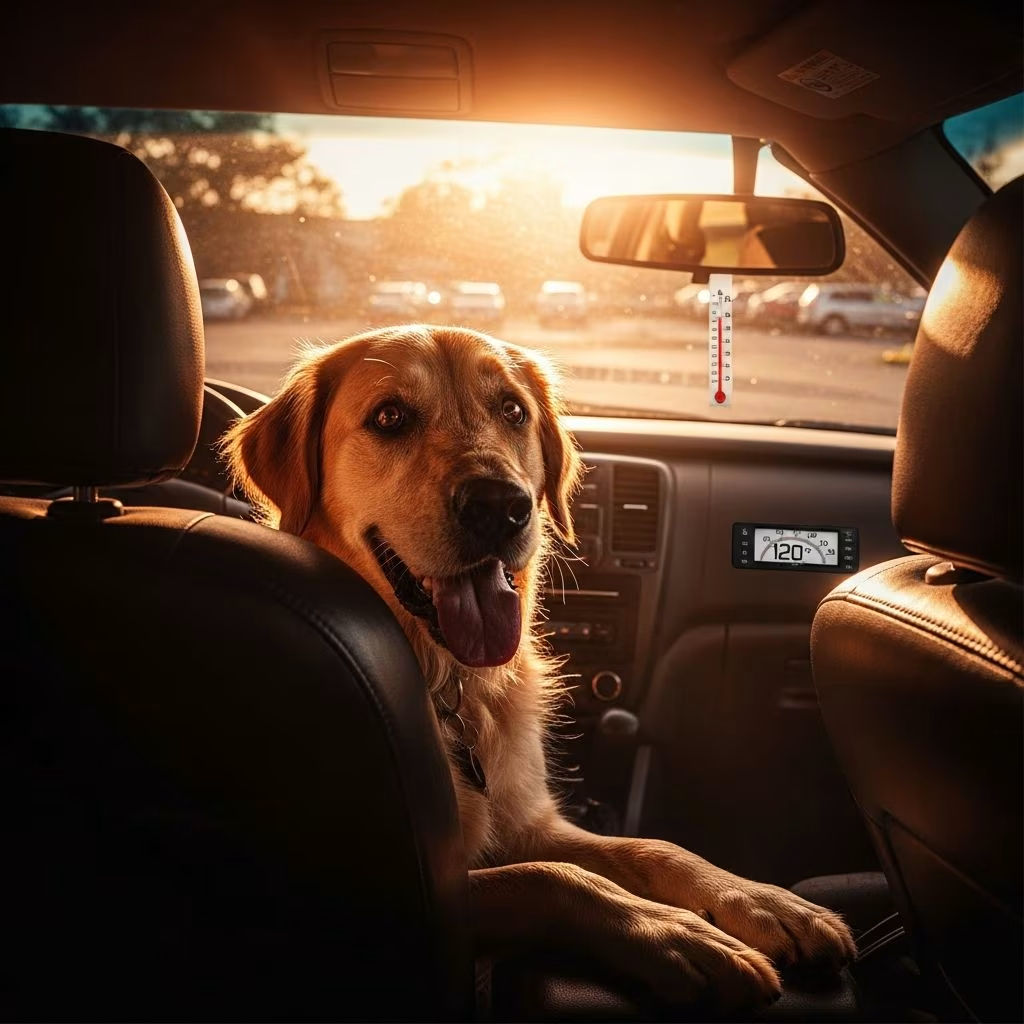
Encountering a dog confined in a parked vehicle during warm weather demands swift, informed action to avert tragedy. Dogs overheat rapidly due to their limited cooling mechanisms, potentially leading to fatal heatstroke within minutes.
Understanding Heat Risks for Pets in Vehicles
Canine physiology makes cars deadly traps on sunny days. Unlike humans, dogs rely mainly on panting and minimal paw sweating to dissipate heat. Elevated external temperatures overwhelm these methods, causing core body temperatures to spike dangerously above 104°F (40°C), triggering organ failure.
Studies show vehicle interiors can surge 20-40°F above ambient air in under 10 minutes, even with cracked windows. Direct sunlight accelerates this, turning a mild 70°F day into a 100°F+ inferno inside.
Spotting Critical Distress Signals
Quick evaluation prevents hesitation. Look for these urgent indicators:
- Excessive, rapid panting or drooling excessively.
- Lethargy, collapse, or disorientation.
- Unresponsiveness or glazed eyes.
- Frantic clawing at windows/doors.
- Thick saliva ropes or vomiting.
Even without overt signs, err on caution—deterioration accelerates fast. Factors worsening risk include dark fur, brachycephalic breeds (e.g., Bulldogs), puppies, seniors, or obese dogs.
Step-by-Step Action Protocol
Follow this sequence to maximize safety and legality.
1. Document the Scene Thoroughly
Record vehicle details: make, model, color, license plate (photo preferred), location, time, and dog’s visible condition. Note environmental factors like sun exposure or lack of ventilation. Video distress for evidence.
2. Alert Nearby Establishments
Approach store managers/security in parking lots. Request owner paging with polite urgency: “A dog is overheating in a [description] vehicle—please announce for the owner.” Persistence aids quick resolution; many owners return unaware of peril.
3. Vigilantly Monitor the Animal
Stay present, checking every few minutes. Provide external shade via umbrellas if safe. Enlist bystanders—one watches dog, another seeks help. Maintain calm to avoid escalating stress.
4. Contact Authorities Promptly
If owner absent and distress evident:
- Call local animal control first (have number saved).
- If unavailable or delay expected, dial 911 non-emergency or emergency if imminent death.
Convey: precise location, vehicle info, dog symptoms, prior steps taken. Request ETA; stress urgency.
5. Evaluate Legal Rescue Options
Good Samaritan laws in 50+ U.S. states (and some Canadian provinces) shield rescuers meeting criteria. Examples:
| State/Region | Key Requirements |
|---|---|
| General U.S. (varies) | Call authorities first; good faith belief of imminent harm; minimal force; notify post-entry. |
| Ohio | Contact law enforcement prior; leave notice; stay until arrival. |
| California/Arizona | Remain with dog; secure vehicle if possible. |
| Indiana | Potential liability for half damages—proceed cautiously. |
Inform dispatcher of rescue intent if response lags. Never act first without calling.
6. Safe Extraction if Authorized
Only if instructed or law permits:
- Protect yourself: goggles, gloves, long sleeves.
- Target rear side window (least airbags risk).
- Use center punch/hammer on corner; clear glass fully.
- Leash/secure dog immediately.
- Leave note: your contact, reason, dog location, authorities notified.
Immediate Post-Rescue Care
Act fast to reverse hyperthermia:
- Relocate to shade/AC.
- Offer cool (not ice) water slowly.
- Soak paws, belly, neck with room-temp water.
- Fan vigorously; apply rubbing alcohol to pads.
- Rush to vet—monitor breathing, alertness.
Avoid cold baths/ice—they constrict vessels, worsening shock. Panting slowing signals improvement.
Legal Safeguards and Responsibilities
Protections demand compliance:
- Prior notification.
- Reasonable force only.
- Post-rescue presence for statement.
- Witness contacts if available.
Non-compliance risks charges. Some areas limit to professionals; verify local statutes.
Preventive Education for Owners
Advocate awareness: never leave pets in cars, even briefly. Use pet-safe coolers or daycare. Symptoms mimic drunkenness—act decisively.
Regional Variations in Protocols
- Canada (e.g., Winnipeg): Call animal protection; monitor collectively.
- Ontario: 911 for distress.
- International: Adapt to local humane societies/police.
Frequently Asked Questions
Is a cracked window safe?
No—insufficient ventilation against rapid heat buildup.
What if no laws protect rescuers?
Prioritize call; document heavily. Risk assessment key.
How hot is too hot inside?
Above 100°F lethal quickly; measure if possible.
Can I leave after calling?
No—monitor until resolved.
Winter cars too?
Yes, hypothermia risk; assess extremes.
Community Impact and Stats
Thousands of pet heat deaths yearly; interventions save lives. Apps like “Hot Car Dog” aid reporting.
References
- What to Do If You See a Dog Left Alone in a Car — PETA. Accessed 2026. https://www.peta.org/action/see-dog-in-hot-car-video/
- How to Help a Dog in a Hot Car — Ellie’s Rainy Day Fund. Accessed 2026. https://elliesrainydayfund.org/pet-health/is-that-dog-in-the-hot-car-going-to-die/
- What to Do If You See a Dog in a Hot Car — American Kennel Club. Accessed 2026. https://www.akc.org/expert-advice/health/what-to-do-dog-in-hot-car/
- What to do if you find a pet left in a vehicle — City of Winnipeg. 2023-07-25. https://www.winnipeg.ca/police/community/news-releases/2023-07-25-what-do-if-you-find-pet-left-vehicle
- What to Do If You See a Dog Alone in a Parked Car — Humane World. Accessed 2026. https://www.humaneworld.org/en/resources/what-do-if-you-see-pet-parked-car
- PAWS and Think Twice Before Leaving Your Pet in a Hot Car — Government of Ontario. Accessed 2026. https://news.ontario.ca/en/release/1000370/paws-and-think-twice-before-leaving-your-pet-in-a-hot-car



