
Dog in Hot Car: Act Fast Guide
Discover vital steps to rescue dogs from scorching cars, recognize heatstroke dangers, and prevent tragedies during hot weather.
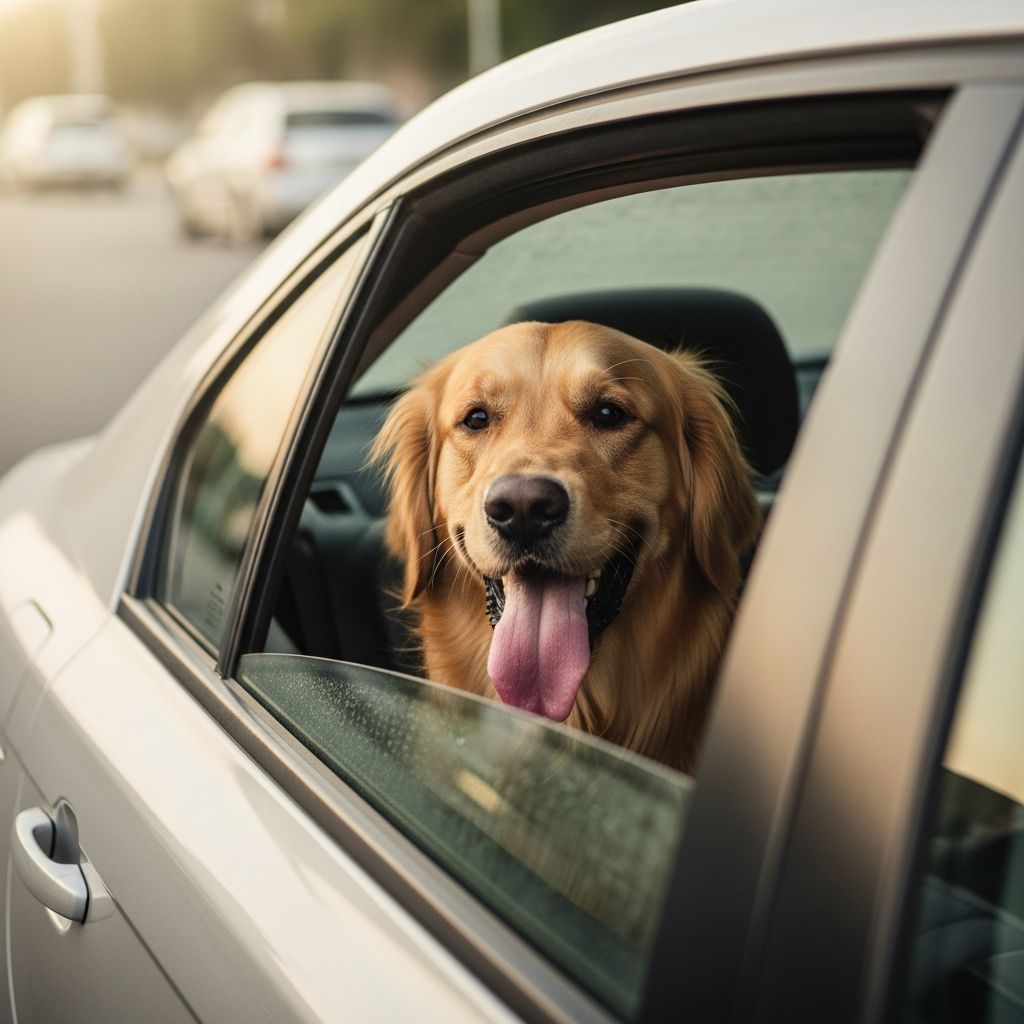
Dogs left in hot cars face life-threatening heatstroke risks, as vehicle interiors can heat up rapidly even on mild days. Taking swift, informed action can save lives by addressing overheating before it becomes fatal.
The Hidden Dangers of Car Heat Buildup
Parked cars transform into ovens quickly due to the greenhouse effect, where sunlight trapped inside causes temperatures to soar. On an 85°F day, a car’s interior can reach 102°F in 10 minutes and 120°F in 30 minutes, regardless of cracked windows or shade. Dogs, unable to sweat efficiently like humans, rely on panting, which fails in extreme heat, leading to organ failure if body temperature exceeds 104°F.
Brachycephalic breeds like Bulldogs and Pugs, overweight dogs, seniors, and puppies are especially vulnerable because of compromised airways or reduced thermoregulation. Humidity compounds the issue, slowing evaporation from panting. A single forgotten pet can suffer irreversible damage in under 15 minutes.
Spotting Trouble: Key Signs of Heat Distress
Recognize early heatstroke indicators to intervene promptly. Initial symptoms include excessive panting, bright red gums, drooling, and lethargy. As it worsens, watch for vomiting, diarrhea, weakness, collapse, seizures, or unconsciousness—each signaling a medical emergency.
- Excessive Panting: Rapid, open-mouth breathing with tongue extended far.
- Gum Changes: Red, sticky, or pale gums indicate shock.
- Behavioral Shifts: Restlessness, whining, or hiding.
- Physical Signs: Weak pulse, glazed eyes, or muscle tremors.
Act on mild signs like heavy panting to prevent escalation; survival odds drop without intervention.
Immediate Response: Safe Rescue Steps
When you see a dog in distress in a hot car, prioritize safety while acting decisively. First, assess your own risk—do not confront aggressive owners or enter unsafe areas alone.
- Document Evidence: Note time, location, license plate, car make/model, and dog’s condition with photos/videos for authorities.
- Seek Owner: Politely alert nearby people; owners may return quickly.
- Call Help: Dial local animal control, non-emergency police (911 if imminent death), or humane society. Provide details calmly.
- Legal Entry: In many areas, ‘animal cruelty’ or ‘good Samaritan’ laws permit breaking windows if approved by dispatch—target rear passenger side for minimal injury.
Post-rescue, relocate the dog to shade or air conditioning immediately. Offer cool (not ice-cold) water in small amounts to avoid shock.
First Aid Essentials for Overheated Dogs
Effective cooling boosts survival from 50% to 80% if started en route to a vet. Use room-temperature water to wet the body, focusing on high-heat areas.
| Area to Cool | Method | Why It Works |
|---|---|---|
| Groin, Armpits, Neck | Damp towels or direct water spray | Rich blood vessels promote rapid heat loss. |
| Paws, Belly | Room-temp water soak | Surface cooling without vasoconstriction. |
| Whole Body | Fan + wet towels (no ice) | Evaporation cools safely; ice risks hypothermia. |
Monitor rectal temperature if possible—aim below 103°F gradually. Transport to an emergency vet while continuing cooling; do not fully submerge or use cold baths. Vets may provide IV fluids, oxygen, and monitoring for complications like kidney failure or clotting.
When Legal Action Protects Pets
Laws vary, but 50 U.S. states plus D.C. have hot car laws allowing rescue under specific conditions, such as imminent harm. Good Samaritan protections shield rescuers from liability if reasonable care is taken. Internationally, similar statutes exist—check local humane societies for protocols.
Proactive reporting prevents repeats: Many jurisdictions fine owners $500+ for first offenses, escalating for neglect. Apps like ‘Dog in Car’ connect witnesses to services instantly.
Year-Round Prevention Strategies
Avoid hot car scenarios entirely with these habits, effective even on mild days.
- Schedule Smart: Walk before 9 AM or after 7 PM; skip midday heat.
- Hydration Focus: Unlimited fresh water, add ice cubes for cooling.
- Shade and Gear: Use cooling mats, vests, reflective harnesses; test pavement with 5-second hand rule.
- Vehicle Rules: Never leave pets alone in cars—use pet-safe AC or tethers if traveling.
- Breed Awareness: Extra caution for short-nosed, thick-coated, or obese dogs.
Indoor cooling includes fans, frozen treats (supervised), and grooming for airflow. Annual vet checks catch vulnerabilities early.
High-Risk Dogs and Special Considerations
Certain profiles demand vigilance. Brachycephalic breeds overheat 3x faster due to airway obstruction. Seniors lose cooling efficiency; puppies dehydrate quickly. Overweight dogs struggle more, per AKC guidelines.
For travel, plan AC breaks every 30 minutes, avoid trunk storage, and pack water kits. Hot/humid climates amplify risks—Florida studies show surges in ER visits during peaks.
FAQs: Hot Car and Heatstroke Essentials
Q: How hot is too hot for a car?
A: Above 70°F outside is risky; interiors hit lethal levels fast.
Q: Can cracked windows suffice?
A: No—temps still rise 20-40°F quickly.
Q: What’s the first cooling step?
A: Move to shade/AC, wet with cool water, fan on.
Q: When to break a window?
A: Only with dispatcher approval if dog shows distress.
Q: Prevention for apartments?
A: Indoor exercise, cooling toys, AC maintenance.
Q: Post-heatstroke recovery?
A: Vet-monitored rest, fluids; watch for organ issues.
Community Role in Pet Protection
Bystanders save lives—over 70% of heatstroke rescues stem from public alerts. Educate neighbors via signage or social shares. Schools and workplaces can host awareness drives, reducing incidents community-wide.
Tech aids like car sensors or pet cams alert owners remotely. Join forces with rescues for hot weather patrols in parking lots.
References
- Heatstroke in Dogs: Signs, Treatment, and Prevention — PetMD. 2023. https://www.petmd.com/dog/conditions/systemic/heatstroke-dogs
- Recognizing and Preventing Heat Exhaustion — Tampa Vet. 2023. https://www.tampavet.com/DrWebsters-Blog/preventing-heat-exhaustion-dogs/
- Dog Heat Stroke – Protect Your Dog — Calder Vets. 2023. https://www.caldervets.co.uk/pet-help-advice/general-pet-advice/pet-health/69-dog-heat-stroke-protect-your-dog
- Heat Stroke and Heat Exhaustion in Dogs — AKC Canine Health Foundation. 2023. https://www.akcchf.org/disease-history/heat-stroke-and-heat-exhaustion/
- Heatstroke in Dogs | Symptoms and Prevention — BluePearl Vet. 2023. https://bluepearlvet.com/hospital/irvine-ca/specialties-services/emergency-medicine/heatstroke-in-dogs/
- Heatstroke: A medical emergency — Cornell University College of Veterinary Medicine. 2023. https://www.vet.cornell.edu/departments-centers-and-institutes/riney-canine-health-center/canine-health-information/heatstroke-medical-emergency
- Keeping Dogs Cool For The Summer To Prevent Heatstrokes — Texas A&M University. 2023-07-27. https://stories.tamu.edu/news/2023/07/27/keeping-dogs-cool-for-the-summer-to-prevent-heatstrokes/
Similar Articles








Read full bio of Sneha Tete




