

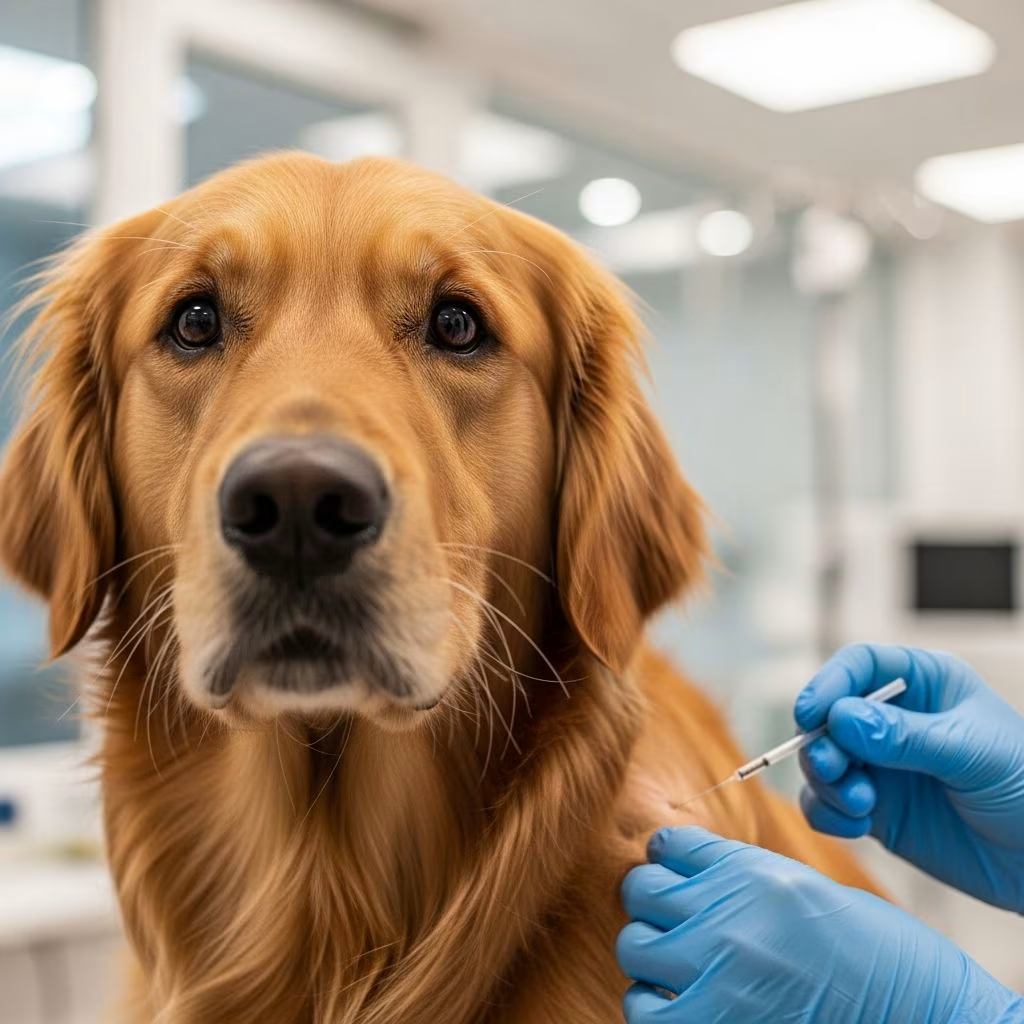
Dog immunotherapy, also known as allergy shots or desensitization therapy, is a targeted treatment that retrains the immune system to tolerate environmental allergens, providing long-term relief from chronic itching, skin infections, and ear issues common in atopic dermatitis.
What Are Dog Allergies?
Dogs suffer from allergies that manifest as intense itching, redness, recurrent skin and ear infections, and discomfort that impacts their quality of life. These allergies fall into three main categories: flea allergy dermatitis, food allergies, and environmental allergies (atopy or atopic dermatitis).
Environmental allergies, the focus of immunotherapy, are triggered by common substances like pollen from trees, grasses and weeds, dust mites, molds, and dander. Unlike flea or food allergies, which can sometimes be managed by elimination, environmental allergens are unavoidable, leading to year-round or seasonal flare-ups.
- Flea allergy dermatitis: Reaction to flea saliva, often localized to the back and base of tail.
- Food allergies: Triggered by proteins in diet, causing year-round itching, ear infections, and gastrointestinal issues.
- Environmental allergies (atopy): Immune overreaction to airborne allergens, typically starting between 1-3 years of age, affecting paws, ears, armpits, groin, and abdomen.
Symptoms include excessive licking/chewing of paws, rubbing face on furniture, chronic ear infections, hot spots, and secondary bacterial/yeast infections due to self-trauma. Without addressing the root cause, symptoms persist despite medications.
Signs Your Dog May Have Allergies
Recognizing allergy signs early is crucial for effective management. Common indicators include:
- Intense itching (pruritus) leading to hair loss, scabs, and lick granulomas.
- Recurrent ear infections with head shaking and odor.
- Red, inflamed skin, especially in paws, belly, and face.
- Secondary infections causing crusting, oozing, or foul smell.
- Behavioral changes like restlessness or excessive scratching.
Allergies often worsen seasonally but can become perennial. Puppies rarely show signs before 6 months, distinguishing them from mange or parasites.
Diagnosing Dog Allergies
Accurate diagnosis requires ruling out other conditions like parasites, hypothyroidism, or infections. Veterinary dermatologists use:
- Skin scrapings/cytology: To exclude mites, bacteria, yeast.
- Flea control trial: 8-12 weeks of strict flea prevention.
- Food elimination diet: 8-12 weeks with novel protein hydrolyzed diet.
- Intradermal skin testing (gold standard): Shaved area injected with allergens; wheal reactions indicate sensitivities.
Blood tests (IgE serology) are less accurate as skin and blood reactions differ, but useful if skin testing isn’t feasible. Testing identifies specific allergens for customized immunotherapy.
What Is Dog Immunotherapy?
Dog immunotherapy, or allergen-specific immunotherapy (ASIT), is the only treatment modifying the underlying allergic response by desensitizing the immune system. Small, gradually increasing doses of identified allergens retrain the body to tolerate them, reducing Th2-driven inflammation and promoting regulatory T-cells, IL-10, and blocking antibodies like IgG4.
Unlike steroids or antihistamines masking symptoms, immunotherapy addresses the cause, potentially eliminating medication needs. Success rates: 60-80% of dogs show good to excellent response, higher in young dogs.
How Does Immunotherapy Work for Dogs?
Immunotherapy mimics natural tolerance-building:
- Allergen identification: Via skin/blood testing.
- Vaccine formulation: Lab creates personalized serum with dog’s specific allergens.
- Gradual desensitization: Starting low doses build tolerance over months, shifting immune response from allergic (Th2) to tolerant (Treg).
- Maintenance: Lifelong or long-term to sustain benefits.
Mechanisms include reduced eosinophil/mast cell recruitment, Th2 cell deletion, and IgG4/IgA production blocking allergen-IgE binding.
Types of Dog Immunotherapy
| Type | Administration | Frequency | Pros | Cons |
|---|---|---|---|---|
| Subcutaneous (SCIT/Allergy Shots) | Injections under skin | Initial: every 1-3 days; Maintenance: weekly to monthly | Faster onset, more evidence, home administration | Needles required, refrigeration |
| Sublingual (SLIT/Drops) | Drops under tongue | Daily, twice daily | No needles, travel-friendly | Slower, less studied, compliance |
SCIT preferred for efficacy; SLIT for needle-phobes. Vials refrigerated; protocols from labs like Stallergenes Greer or Nextmune.
Immunotherapy Process Step-by-Step
Step 1: Consult veterinary dermatologist for diagnosis/testing.
Step 2: Results sent to immunotherapy lab (2-4 weeks for vaccine).
Step 3: Induction phase: Frequent small doses (3-6 months).
Step 4: Maintenance: Reduce frequency as symptoms improve.
Step 5: Annual recheck; adjust if needed.
Continue symptom meds first year; wean after to assess.
Success Rates and Effectiveness
60-80% dogs improve significantly; 30-50% symptom-free. Young dogs (<5 years) respond best. Full effects: 6-12 months; some lifelong. Factors: Accurate testing, compliance, no concurrent issues.
What to Expect During Treatment
- Month 1-3: Continue meds; monitor reactions (rare mild swelling).
- Month 4-6: Reduced itching; wean meds gradually.
- Year 1+: Re-evaluate; many reduce shots to monthly.
Side effects minimal: <1% anaphylaxis risk (give with epi-pen ready). Track symptoms via journal.
Cost of Dog Immunotherapy
Initial: £500-£1500 (consult, testing, first vial). Vials: £200-£400/year. Cheaper long-term vs. lifelong meds/skin issues.
Pros and Cons of Immunotherapy
| Pros | Cons |
|---|---|
| Treats cause, not symptoms | Time commitment (1+ year trial) |
| 60-80% success | Upfront cost |
| Reduces meds needed | Not 100% effective |
| Safe, natural | Lifelong for some |
Alternatives to Immunotherapy
- Medications: Apoquel, Cytopoint, steroids (symptom control only).
- Topicals: Shampoos, sprays.
- Novel protein diets: For food allergies.
- Flea control: Year-round.
Immunotherapy ideal when meds fail or for long-term management.
Frequently Asked Questions (FAQs)
Is immunotherapy safe for dogs?
Yes, very safe; rare mild reactions. Administer in clinic first time.
How long until I see results?
3-12 months; continue meds initially.
Can I administer shots at home?
Yes, after training; easy subcutaneous.
Does it work for all allergies?
Environmental only; not food/flea.
What if it doesn’t work?
Stop after 1 year; try alternatives.
Is sublingual immunotherapy effective?
Yes, but slower than shots.
Immunotherapy offers hope for allergy sufferers, transforming lives with sustained comfort.
References
- Immunotherapy (Allergy Shots) for Dogs — University of Illinois Veterinary Medicine. 2023-10-01. https://vetmed.illinois.edu/pet-health-columns/immunotherapy-itchy-dog/
- Immunotherapy for pet allergies — PMC – NIH (Peer-reviewed). 2018-03-15. https://pmc.ncbi.nlm.nih.gov/articles/PMC5893203/
- Immunotherapy: A Gentle Boost for Your Pet’s Health — Haarstad Veterinary Dermatology. 2024-05-20. https://www.haarstadveterinarydermatology.com/blogs/news/immunotherapy-a-gentle-boost-for-your-pet-s-health
- Immunotherapy (Allergy) Shots for Dogs: What to Know — American Kennel Club (AKC). 2024-08-12. https://www.akc.org/expert-advice/health/immunotherapy-allergy-shots-for-dogs/
- Immunotherapy Oral and Injectable — VCA Animal Hospitals. 2023-11-05. https://vcahospitals.com/know-your-pet/immunotherapy-oral-and-injectable



