

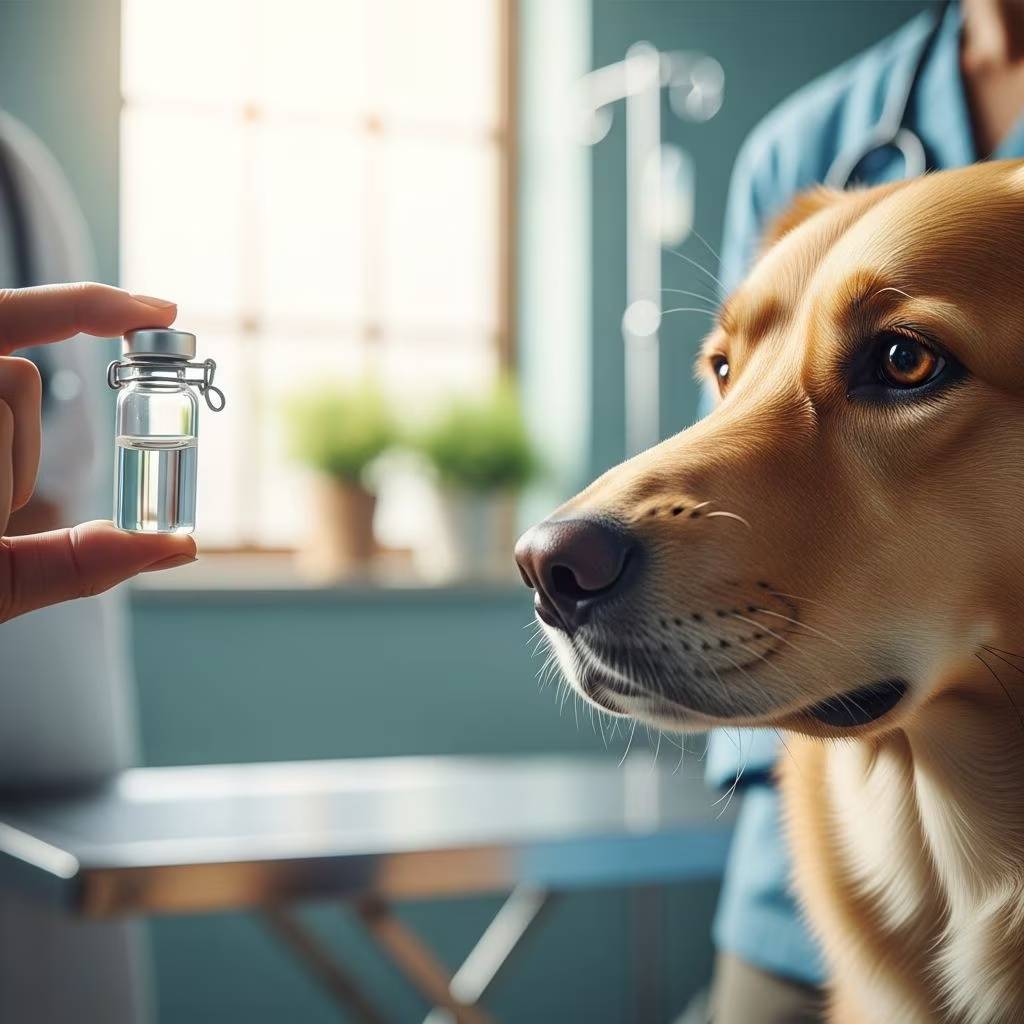
Dog immunotherapy, also known as allergen-specific immunotherapy (ASIT) or hyposensitization, is a treatment that retrains a dog’s immune system to tolerate environmental allergens causing chronic itching, skin infections, and discomfort. Unlike symptomatic treatments like steroids or antihistamines, immunotherapy addresses the root cause, offering long-term relief for approximately 75% of dogs with confirmed environmental allergies.
What Are Dog Allergies?
Dogs commonly suffer from environmental allergies triggered by pollen from trees, grasses, and weeds; indoor allergens like dust mites and mold; and sometimes human dander or insect debris. These allergies manifest as intense itching (pruritus), leading to secondary issues such as recurrent ear infections, hot spots, licking paws, and bacterial or yeast skin infections. Food allergies and flea allergy dermatitis can mimic these symptoms but require separate testing.
Allergic dogs often show year-round symptoms that worsen seasonally, affecting their quality of life and requiring frequent vet visits. Early diagnosis through intradermal or blood testing is crucial before starting immunotherapy.
What Is Dog Immunotherapy?
Dog immunotherapy involves gradually exposing the dog to increasing doses of their specific allergens to build immune tolerance. This modifies the overactive Th2 immune response, promoting regulatory T-cells, IL-10 production, and blocking antibodies like IgG4 and IgG1, which reduce inflammation, eosinophil recruitment, and mast cell activation.
The treatment is customized based on allergy testing results, using extracts from allergens like pollens, mites, and molds. It’s the only therapy that alters the underlying allergic condition, potentially reducing or eliminating the need for medications long-term.
How Does Immunotherapy Work for Dogs?
Immunotherapy works by desensitizing the immune system. Small, controlled doses of allergens are administered, shifting the immune balance from allergic Th2 cells to protective Th1/Tr1 cells and inducing allergen-specific IgG antibodies that block IgE-mediated reactions.
Over time, this leads to:
- Decreased recruitment of eosinophils, mast cells, and basophils at inflammation sites.
- Increased production of regulatory cytokines like IL-10.
- Deletion of allergen-specific Th2 cells.
- Overall reduction in symptoms like itching and infections.
Studies show protective effects against respiratory and skin allergies, with benefits accumulating over months.
Allergy Testing Before Immunotherapy
Before immunotherapy, accurate allergy identification is essential via intradermal skin testing (gold standard) or serum IgE blood tests. Intradermal testing involves injecting dilute allergens into shaved skin and observing reactions after 15-30 minutes, identifying specific triggers.
Blood tests detect allergen-specific IgE but may have more false positives/negatives. Testing costs $200-$500, excluding sedation if needed. Results guide the custom serum formulation, excluding food allergens which don’t respond well to immunotherapy.
Types of Dog Immunotherapy
| Type | Administration | Frequency | Pros | Cons |
|---|---|---|---|---|
| Subcutaneous (SCIT) | Injections under skin | Induction: weekly (6 weeks); Maintenance: every 14 days | Fast-acting, well-studied, easy at home | Needles required, refrigeration needed |
| Sublingual (SLIT) | Drops under tongue/cheek | Twice daily | No needles, convenient travel | Doses easily missed, slower efficacy |
| Intralymphatic | Injections into lymph node | Monthly (6-8 months), then transition | Fewer visits initially | Clinic-only, limited availability |
| Rush SCIT | High-dose induction | 1-day clinic protocol | Quick to maintenance | Risk of reactions, vet supervised |
SCIT is most common, with shots using fine needles. Rush protocols accelerate induction. SLIT suits needle-phobic owners but requires compliance.
Timeline and Expectations
Improvement varies: 30-50% of dogs respond within 3 months, 60-80% by 12 months. Full benefits may take 1-2 years. Evaluate after one year; discontinue if no response. Maintenance lasts indefinitely, but spacing can increase to monthly.
Success rates: 75% overall, with 50-60% achieving good control without meds. Combine with flea prevention, medicated shampoos, and flare-up treatments like Cytopoint or Apoquel.
Side Effects and Safety
Immunotherapy is safe; severe reactions are rare (<1%). Common mild effects include:
- Local swelling/itch at injection site (SCIT).
- Lethargy, facial swelling, hives, vomiting (1-2% cases).
- Stop dosing and contact vet if severe.
Contact urticaria or anaphylaxis is possible but minimized with proper protocols. No long-term risks like cancer; safer than chronic steroids.
Pregnant dogs or those with autoimmune disease may not qualify. Monitor during induction.
Cost of Dog Immunotherapy
Initial testing: $250-$600. Custom serum: $400-$800/year (SCIT vial lasts 6-12 months). SLIT: similar or higher due to daily use. Vet visits: $50-$150/follow-up. Total first year: $700-$1500; maintenance: $500/year. Cost-effective long-term vs. lifelong meds.
Alternatives to Immunotherapy
- Medications: Apoquel, Cytopoint (8-week itch relief), steroids (short-term), antihistamines (low efficacy).
- Topicals: Medicated shampoos, sprays.
- Lifestyle: Hypoallergenic bedding, air filters, diet trials for food allergies.
- Okinawa: Novel treatments like Lokivetmab injections.
Immunotherapy excels for long-term control.
Frequently Asked Questions (FAQs)
What is the success rate of dog allergy shots?
Approximately 75% of dogs experience significant improvement, with many reducing medication needs.
How long does it take for immunotherapy to work in dogs?
Benefits start in 3-6 months for many, optimal at 12 months. Patience is key.
Can all dogs with allergies get immunotherapy?
No, only those with confirmed environmental allergies via testing. Not for food or flea allergies.
Is sublingual immunotherapy as effective as shots for dogs?
Shots are faster and better-studied; drops work but require strict twice-daily dosing.
What if my dog has a reaction to immunotherapy?
Mild reactions are common; severe ones rare. Pause treatment and consult your vet.
Does immunotherapy cure allergies forever?
No, it’s management. Lifelong maintenance often needed, but symptoms greatly reduce.
Can I administer shots at home?
Yes, after vet training. Supplies provided; easy with small needles.
References
- Immunotherapy for pet allergies — National Center for Biotechnology Information (PMC). 2018-03-15. https://pmc.ncbi.nlm.nih.gov/articles/PMC5893203/
- Allergy Immunotherapy: Hyposensitization (General Information) — Veterinary Skin & Ear. Accessed 2026. https://veterinaryskinandear.com/allergy-immunotherapy-hyposensitization-general-information/
- Immunotherapy: A Gentle Boost for Your Pet’s Health — Haarstad Veterinary Dermatology. Accessed 2026. https://www.haarstadveterinarydermatology.com/blogs/news/immunotherapy-a-gentle-boost-for-your-pet-s-health
- Immunotherapy (Allergy) Shots for Dogs: What to Know — American Kennel Club (AKC). 2023-05-12. https://www.akc.org/expert-advice/health/immunotherapy-allergy-shots-for-dogs/
- Immunotherapy Oral and Injectable — VCA Animal Hospitals. Accessed 2026. https://vcahospitals.com/know-your-pet/immunotherapy-oral-and-injectable
- Learn About Allergy Immunotherapy — Stag RVeterinary Allergy (STALLergenes Greer). Accessed 2026. https://www.stagrveterinaryallergy.com/allergyimmunotherapy/



