

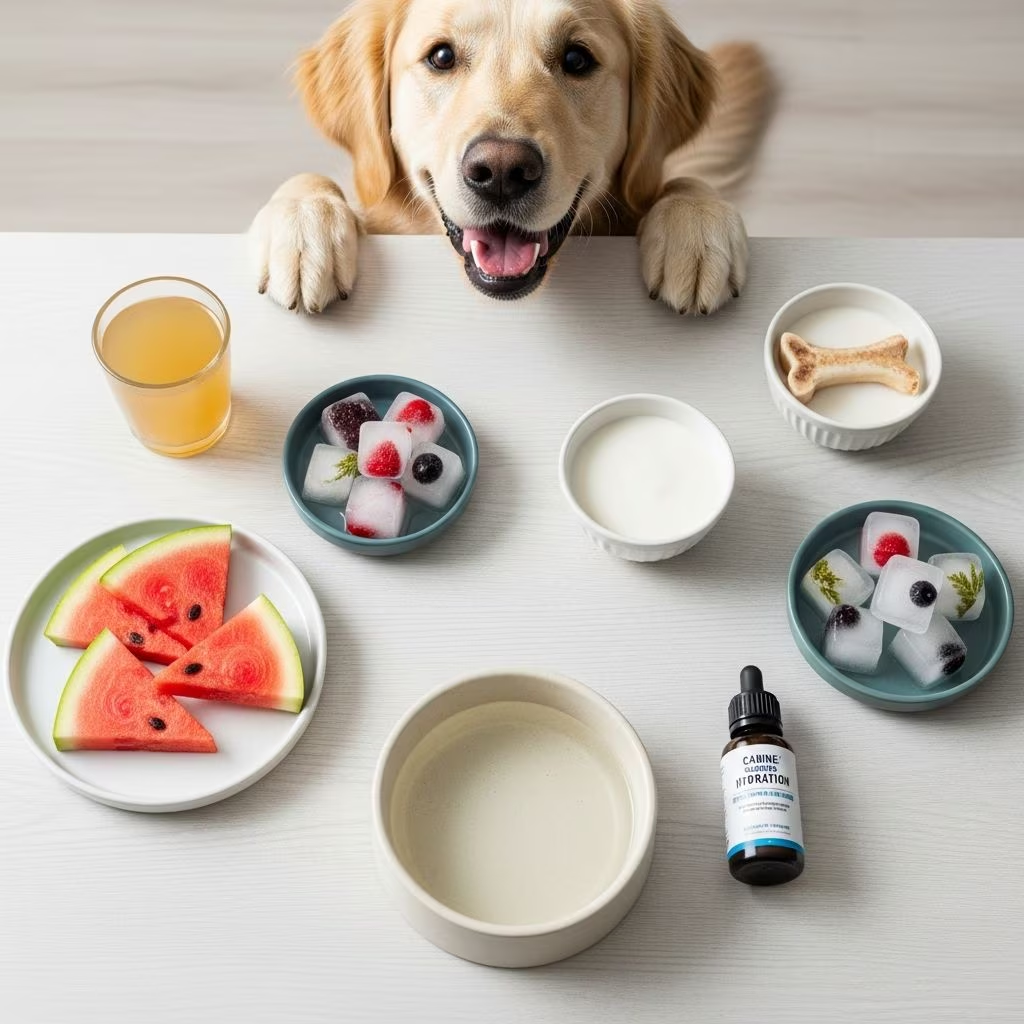
Water stands as the foundation of canine health, facilitating digestion, nutrient transportation, temperature regulation, and cognitive function. However, many pet owners wonder whether their dogs can enjoy alternative beverages occasionally. While some safe options exist, understanding which drinks are appropriate and how to introduce them is essential for maintaining your dog’s wellbeing.
Understanding Your Dog’s Daily Water Requirements
The baseline hydration needs for dogs depend on several factors. A general guideline suggests that dogs should consume approximately one fluid ounce of water per pound of body weight daily. For example, a 15-pound dog requires roughly 15 fluid ounces of water each day. However, dietary composition significantly influences these requirements.
Dogs consuming dry kibble may need to drink up to twice the standard amount, as kibble contains minimal moisture. Conversely, dogs eating canned food may require only about one-third of the baseline recommendation because canned diets contain up to 70% moisture content. Understanding these variables helps pet owners recognize whether their dogs are receiving adequate hydration through their diet and drinking habits.
Encouraging Increased Water Consumption
If you notice your dog drinks insufficient water, several practical strategies can help:
- Clean water bowls daily to maintain freshness and remove potential contaminants or residual flavors
- Provide multiple water bowls throughout your home, or relocate existing bowls to more accessible locations
- Install a dog-specific water fountain, which appeals to many dogs through its flowing motion and aeration
- Add flavoring enhancers such as bone broth formulated for dogs or specialized hydration products designed for canine consumption
These methods prove particularly useful for picky drinkers or dogs recovering from illness. However, when adding flavor enhancers, always avoid human-grade products like soup stocks, which contain harmful ingredients such as garlic, onion, and excessive sodium.
Safe Beverage Alternatives for Dogs
Bone Broth: Nutrient-Dense Hydration
Bone broth represents one of the most beneficial alternatives to plain water for dogs. This nutrient-rich liquid provides essential minerals that enhance nutrient absorption and support overall health. When selecting bone broth for your dog, always purchase products specifically formulated for canine consumption rather than human-grade versions.
Human-targeted bone broths frequently contain problematic ingredients including garlic, onion, and high sodium concentrations, all of which can be harmful to dogs. To offer bone broth safely, limit portions to approximately one ounce daily. This modest serving size allows your dog to benefit from its nutritional properties without disrupting their primary water intake or adding excessive calories.
Bone broth proves especially valuable for senior dogs or those recuperating from illness, as it offers easy-to-digest nutrition and encourages fluid intake during recovery periods.
Coconut Water: Natural Electrolyte Source
Unsweetened coconut water differs significantly from coconut milk and offers distinct hydration benefits for dogs. This natural beverage contains potassium, calcium, and vitamin C—nutrients that support overall canine health. Unlike coconut milk, which is too rich for most dogs’ digestive systems, coconut water provides a lighter alternative.
When offering coconut water to your dog, verify that the product is 100% pure coconut water without added sugars or preservatives. Limit servings to no more than one ounce per occasion. This modest quantity ensures your dog receives the hydrating and electrolyte benefits while avoiding digestive upset. Coconut water proves particularly refreshing during hot weather when dogs lose fluids through panting.
Fresh Fruit and Vegetable Juices
Homemade juices made from dog-safe fruits and vegetables can provide vitamins, minerals, and antioxidants. The key distinction lies in preparation method: commercial juices are unsafe due to added sugars, artificial sweeteners, and food colorings. However, fresh juices created by blending or squeezing dog-safe produce with water are acceptable in limited quantities.
Safe fruit options for juicing include blueberries, watermelon, cantaloupe, strawberries, and bananas. These fruits deliver nutritional benefits while maintaining appropriate safety profiles. Watermelon juice without seeds makes an excellent summer treat, providing hydration during warm months.
For vegetable-based juices, carrots, cucumbers, and pumpkin can be combined with water to create mild, nutrient-rich beverages. However, offering vegetables in their natural form—such as raw carrot sticks—often provides greater benefits, as chewing addresses dental health while delivering nutrients. If offering vegetable juice, limit it to a few sips on occasional occasions.
Nut Milk Alternatives
Unsweetened cashew and almond milk can be offered in small amounts as occasional treats, providing beneficial vitamins and minerals. These nut-based beverages differ substantially from dairy milk, which many adult dogs cannot digest properly due to lactose intolerance.
One critical exception exists: macadamia nut milk is highly toxic to dogs and must be avoided entirely. Before offering any nut milk product, verify the ingredient list and ensure it contains no macadamia nuts or macadamia oil.
Electrolyte Solutions: Medical Applications
Products like Pedialyte can assist dogs experiencing dehydration from illness, vomiting, diarrhea, or heat exhaustion. However, these solutions are not intended for regular consumption or routine hydration. Always consult your veterinarian before administering electrolyte solutions, as they require professional guidance regarding appropriate dosage and usage circumstances.
Kefir and Probiotic Drinks
Kefir, a fermented beverage made from cow, goat, or coconut milk, functions as a powerful probiotic supplement. This drink supports digestive health and can benefit dogs receiving antibiotic treatment or experiencing digestive issues. However, kefir should be offered in minimal quantities and only occasionally.
Herbal Tea Options
Caffeine-free herbal teas such as chamomile and peppermint can be offered to dogs in small amounts. These beverages should be unsweetened, cooled to room temperature, and given only occasionally as supplements to regular water consumption.
Beverages to Strictly Avoid
| Beverage Type | Reason for Avoidance |
|---|---|
| Alcohol | Toxic to dogs; causes neurological damage and organ failure |
| Caffeine-containing drinks | Coffee, tea, and energy drinks cause heart problems and seizures |
| Grape and raisin juice | Grapes are highly toxic to dogs regardless of preparation method |
| Commercial sugary juices | High sugar content causes obesity, diabetes, and dental problems |
| Artificially sweetened beverages | Xylitol and other artificial sweeteners are toxic to dogs |
| Chocolate-containing drinks | Theobromine in chocolate is toxic to canines |
| Soda and carbonated drinks | Sugar, caffeine, and carbonation cause digestive upset |
Milk and Dairy Considerations
Most adult dogs experience lactose intolerance, making regular cow’s milk problematic. Consumption can result in diarrhea, vomiting, or other digestive distress. If you wish to offer dairy, goat’s milk represents a safer alternative due to its naturally lower lactose content.
Before incorporating any dairy product into your dog’s routine, test with a tiny amount to assess individual tolerance. Never make dairy beverages a regular part of your dog’s hydration regimen.
The 10% Calorie Rule for Beverage Treats
When offering alternative drinks, maintain awareness of your dog’s overall caloric intake. Treats—including beverage offerings—should constitute no more than 10% of your dog’s daily caloric consumption. This guideline ensures that supplementary beverages do not disrupt nutritional balance or contribute to weight gain.
Frequency recommendations suggest offering alternative beverages 3-4 times weekly rather than daily. This schedule allows your dog to enjoy variety while maintaining water as the primary hydration source.
Frequency and Portion Guidelines
Safe alternative beverages should be viewed as occasional treats rather than dietary staples. Appropriate portion sizes vary by beverage type:
- Bone broth: One ounce daily maximum
- Coconut water: One ounce per serving maximum
- Fruit and vegetable juices: A few sips on occasion
- Nut milk alternatives: A few sips as infrequent treats
- Kefir: Minimal quantities, offered occasionally
Consulting Your Veterinarian
Before introducing any new beverage to your dog’s diet, consultation with your veterinarian is essential. Every dog possesses unique nutritional needs, health conditions, and sensitivities. Your veterinarian can assess whether specific alternatives are appropriate for your individual dog and provide guidance on proper introduction methods and portion sizes.
This professional consultation becomes especially important if your dog has existing health conditions, dietary restrictions, or takes medications that might interact with certain beverages.
Frequently Asked Questions
Can dogs drink fresh fruit juice?
Yes, homemade fresh fruit juice made without added sugars or sweeteners is safe for dogs in small quantities. However, commercial fruit juices are unsafe due to added sugars and artificial ingredients. Always verify that the fruit variety is dog-safe and offer juice only occasionally.
Is coconut water safe for puppies?
Puppies may consume small amounts of unsweetened coconut water, but their primary hydration source should remain water and appropriate puppy formula. Consult your veterinarian about introducing any beverages beyond water to young puppies.
How much bone broth can I give my dog daily?
Limit bone broth to approximately one ounce per day. Ensure the product is specifically formulated for dogs and contains no added salt, garlic, or onion.
Are there hydration products designed specifically for dogs?
Yes, specially formulated canine hydration drinks and electrolyte solutions are available. However, these are typically unnecessary for healthy dogs consuming balanced diets and should only be used under veterinary guidance.
What should I do if my dog refuses to drink water?
Implement practical strategies such as cleaning water bowls daily, providing multiple water locations, installing a water fountain, or adding small amounts of dog-safe bone broth to encourage drinking. If water avoidance persists, consult your veterinarian to rule out underlying health issues.
Conclusion: Prioritizing Water as Primary Hydration
While alternative beverages can provide occasional enrichment and nutritional benefits, fresh, clean water remains the optimal hydration choice for dogs. Alternative drinks should supplement rather than replace regular water consumption. By understanding which beverages are safe, maintaining appropriate portion sizes, and following the 10% calorie guideline, you can occasionally diversify your dog’s beverage options while prioritizing their fundamental nutritional needs and long-term health.
References
- What Can Dogs Drink Besides Water? — Whole Dog Journal. 2025. https://www.whole-dog-journal.com/health/what-can-dogs-drink-besides-water/
- 5 Healthy Drinks Other Than Water Your Dog Can Safely Drink — Times of India. 2024. https://timesofindia.indiatimes.com/life-style/relationships/pets/5-healthy-drinks-other-than-water-your-dog-can-safely-drink/articleshow/123559447.cms
- Safe Drinks for Dogs Beyond Water: 7 Healthy Options Explained — Lancaster Puppies. 2025. https://www.lancasterpuppies.com/pet-advice/safe-drinks-for-dogs-beyond-water-7-healthy-options-explained.html
- What Can My Dog Drink? Delicious Options Other Than Water — Top Dog Pet Sitters. 2024. https://topdogpetsitters.com/what-can-my-dog-drink/



