

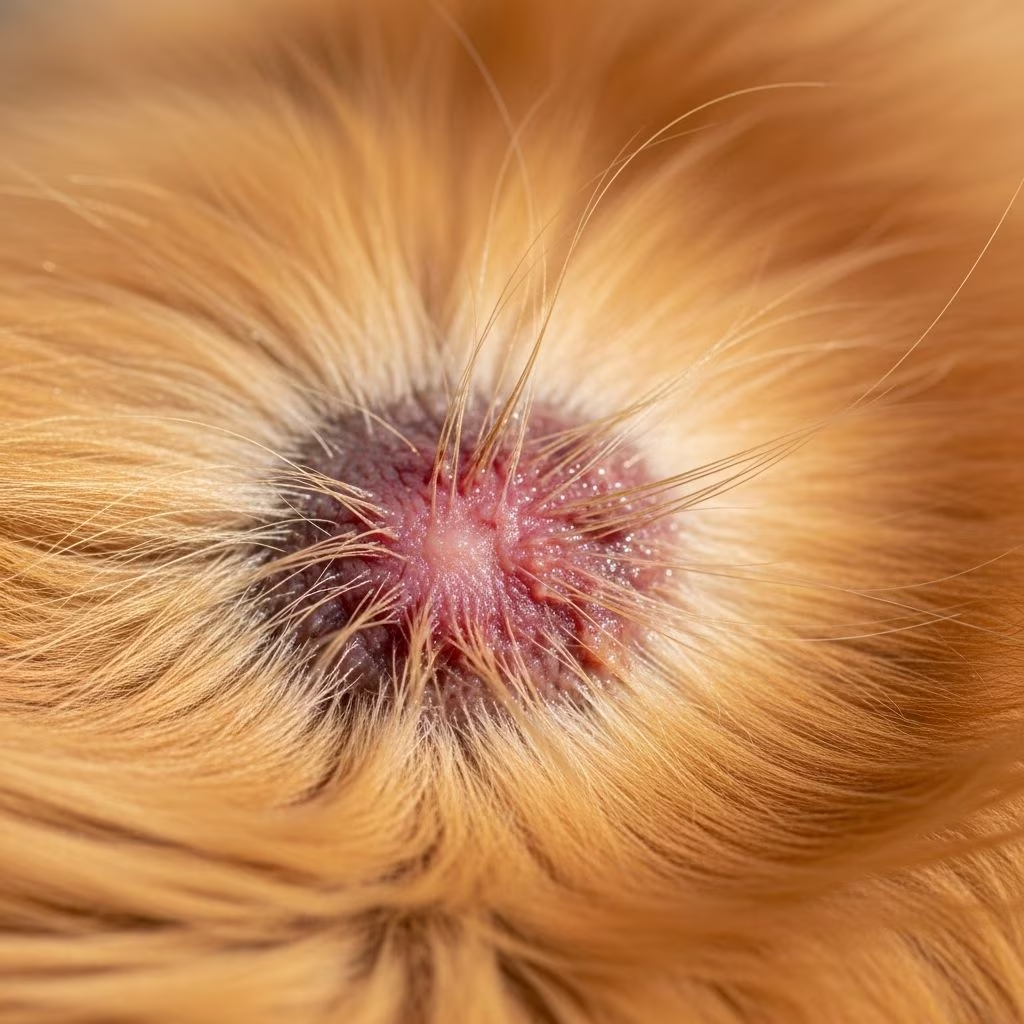
Dog hot spots, also known as acute moist dermatitis, are rapidly developing areas of inflamed, infected skin that cause significant discomfort to dogs. These lesions often start from minor irritations but worsen quickly due to a dog’s instinct to lick, chew, or scratch the area, leading to secondary bacterial infections. Prompt recognition and treatment are essential to prevent spreading and alleviate pain.
What Are Hot Spots on Dogs?
Hot spots are localized skin conditions characterized by moist, red, inflamed patches that feel warm to the touch—hence the name “hot spots.” They typically appear suddenly and can expand within hours if not addressed. Common in dogs with thick or dense coats, hot spots thrive in warm, humid environments where moisture gets trapped, exacerbating self-trauma. Breeds like Golden Retrievers, Labrador Retrievers, and St. Bernards are particularly prone due to their fur type, but any dog can develop them.
Medically termed pyotraumatic dermatitis, hot spots begin as small areas of itchiness or pain. The dog’s response—intense licking or biting—creates a vicious cycle: saliva softens the skin, bacteria invade, and pus forms, resulting in oozing, foul-smelling sores. Without intervention, a hot spot can grow from a dime-sized spot to the size of a hand in a day.
Symptoms of Hot Spots in Dogs
Recognizing hot spots early is crucial for effective management. Key symptoms include:
- Red, inflamed skin that feels hot and raised, often with sharp borders.
- Moist or weeping lesions with pus or clear discharge.
- Hair loss around the area, with matted fur from saliva and exudate.
- Intense itching or pain, causing excessive licking, chewing, or scratching.
- Foul odor from bacterial overgrowth.
- Scabs or crusting as the lesion attempts to heal but gets re-traumatized.
- Sensitivity—dogs may yelp or flinch when the area is touched.
Hot spots most commonly appear on the head, neck, hips, limbs, or tail base, but can occur anywhere. If the lesion is bleeding, expanding, or has colored discharge, seek veterinary care immediately.
Common Causes of Hot Spots on Dogs
Hot spots are secondary conditions triggered by an underlying issue that prompts self-inflicted trauma. Identifying and addressing the root cause is vital for prevention.
Allergies
Allergies are the leading cause, including environmental (pollen, mold, dust mites), food sensitivities, or flea allergy dermatitis. Itchy skin leads to scratching, opening the door for bacteria. Seasonal allergies peak in spring and summer.
Insect Bites and Parasites
Fleas, ticks, mosquitoes, mites, or even bee stings cause localized irritation. A single flea bite can trigger severe reactions in sensitive dogs, leading to frantic grooming and hot spot formation. Check for parasites if spots are on the back or rump.
Skin Irritations and Moisture
Trapped moisture from swimming, grooming products, collars, or poor drying after baths softens skin, promoting bacterial growth. Rough play, mats in fur, or anal sac issues can also initiate licking.
Other Factors
Poor grooming, stress, boredom (leading to compulsive licking), or underlying health issues like hypothyroidism contribute. Contrary to myth, excessive moisture alone doesn’t cause hot spots—it’s always tied to itch or pain response.
Treatment for Dog Hot Spots
Treatment focuses on cleaning the lesion, stopping self-trauma, fighting infection, and resolving the underlying cause. Mild cases may respond to home care, but veterinary evaluation is recommended, especially for deep or recurrent spots.
Home Treatment for Hot Spots
For small, recent hot spots:
- Clip the fur around the area to expose it to air (use caution to avoid nicking skin).
- Clean daily with chlorhexidine solution, saline, or vet-recommended antiseptic spray like Vetericyn. Pat dry thoroughly.
- Prevent licking with an e-collar (cone), inflatable collar, or bitter-tasting spray.
- Apply soothing sprays with hydrocortisone or antimicrobial agents, safe if ingested.
- Monitor closely: Improvement should occur in 24-48 hours. If not, see a vet.
Avoid human products like Neosporin, as dogs lick them off, potentially causing GI upset.
Veterinary Treatment Options
Vets often sedate dogs for painful clipping and cleaning. Treatments include:
- Topical therapies: Antibiotic ointments, desiccating sprays, or medicated shampoos.
- Oral medications: Antibiotics (e.g., cephalexin) for 7-14 days, anti-inflammatories, or short-term steroids for itch relief.
- Diagnostics: Skin scrapes, allergy testing, flea checks, or bloodwork for underlying issues.
- Parasite control: Flea preventives like topical or oral medications.
Severe cases may require drainage or hospitalization. Healing typically takes 3-14 days with proper care.
| Severity | Symptoms | Recommended Action |
|---|---|---|
| Mild | Small, superficial, no pus | Home care + monitor |
| Moderate | Expanding, oozing, odor | Vet visit within 24 hrs |
| Severe | Bleeding, deep, fever | Emergency vet care |
Prevention of Hot Spots in Dogs
Preventing recurrence involves proactive management:
- Regular grooming: Brush daily, bathe with hypoallergenic shampoos, trim mats.
- Flea prevention: Year-round topical/oral preventives; treat the environment.
- Allergy management: Hypoallergenic diets, antihistamines, or immunotherapy.
- Dry thoroughly after swimming or baths; use moisture-wicking collars.
- Anal sac checks during vet visits, especially for scooting dogs.
- Stress reduction: Enrichment toys, exercise to curb compulsive behaviors.
Breeds with dense coats benefit from professional grooming every 4-6 weeks. Early intervention at the first sign of itch prevents escalation.
When to See a Vet for Dog Hot Spots
Consult a vet if:
- The spot exceeds 1 inch or grows rapidly.
- There’s pus, blood, swelling, or fever.
- Your dog seems lethargic or in severe pain.
- No improvement after 48 hours of home care.
- Recurrent hot spots suggest allergies or other issues.
Deep infections risk sepsis; don’t delay.
Frequently Asked Questions (FAQs)
What is a hot spot on a dog?
A hot spot is an acute, moist skin inflammation from self-trauma, appearing as red, oozing sores.
Are hot spots contagious?
No, but secondary bacteria can spread to other body parts if licked.
How long do dog hot spots take to heal?
With treatment, 3-14 days; untreated, they worsen.
Can I treat a hot spot at home?
Yes, for mild cases: clip, clean, cone. Vet for anything serious.
What breeds get hot spots most?
Thick-coated breeds like Retrievers, Shepherds, Newfoundlands.
Do hot spots only happen in summer?
No, year-round, but more common in humid weather.
References
- Hot Spots on Dogs: Causes, Symptoms, & Effective Treatments — Maple Grove Pet Hospital. 2023-05-15. https://maplegrovepethospital.com/blog/hot-spots-on-dogs-causes-and-treatments/
- Hot Spots on Dogs: Causes, Treatment, and Home Remedies — PetMD. 2024-08-20. https://www.petmd.com/dog/general-health/hot-spots-dogs
- Canine hot spots: Understanding, treating, and preventing summer flare-ups — Virginia Tech News. 2025-07-10. https://news.vt.edu/articles/2025/07/canine-dog-hot-spots-dermatology-veterinary-medicine.html
- What To Do If Your Dog Has A Hot Spot: Causes & Treatments — Port City Veterinary. 2023-11-12. https://www.portcityvet.com/blog/what-to-do-if-your-dog-has-a-hot-spot-causes-treatments
- Hot spots — Cornell University College of Veterinary Medicine. 2024-02-28. https://www.vet.cornell.edu/departments-centers-and-institutes/riney-canine-health-center/canine-health-topics/hot-spots
- Hot spots (acute moist dermatitis) in dogs — PDSA. 2024-06-05. https://www.pdsa.org.uk/pet-help-and-advice/pet-health-hub/conditions/hot-spots-acute-moist-dermatitis-in-dogs
- Hot Spots in Dogs — VCA Animal Hospitals. 2024-09-18. https://vcahospitals.com/know-your-pet/hot-spots-in-dogs



