

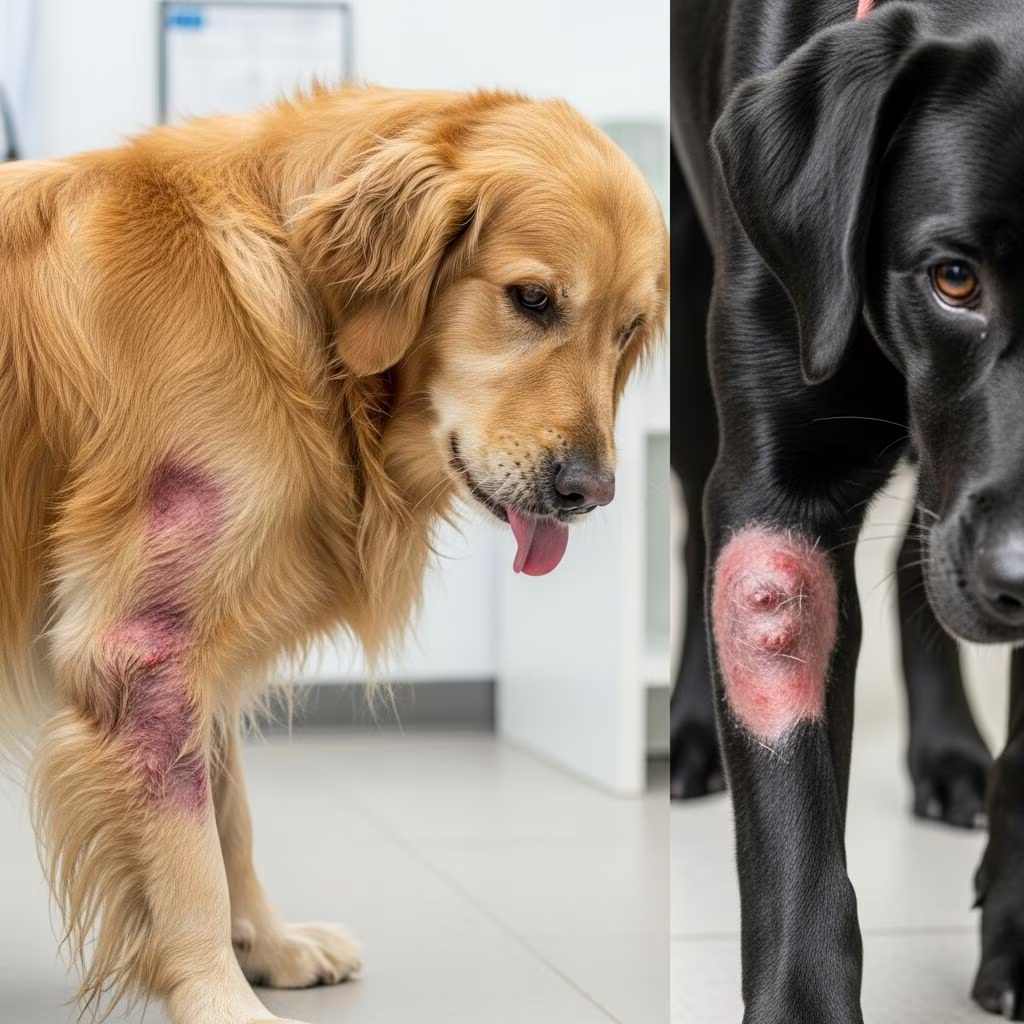
Dog skin issues like hot spots and ringworm often confuse owners due to overlapping appearances, but they demand different approaches for effective management. Hot spots stem from self-inflicted trauma leading to moist bacterial infections, while ringworm is a contagious fungal condition affecting the skin’s surface.
Understanding Canine Skin Problems
Dogs frequently suffer from dermatological conditions that manifest suddenly, prompting concern among owners. These issues range from bacterial hotspots to fungal infections, each with unique triggers and progression patterns. Recognizing early signs allows for timely intervention, preventing escalation into chronic problems.
Hot Spots: The Moist, Painful Lesions
Hot spots, also known as acute moist dermatitis, develop rapidly from excessive licking, chewing, or scratching. This self-trauma creates a warm, red area prone to secondary bacterial invasion, often expanding quickly if unchecked.
Common in breeds with thick coats like Golden Retrievers and German Shepherds, these lesions thrive in humid environments, peaking during summer months. Underlying factors include allergies, flea bites, or boredom-induced behaviors that initiate the itch-lick cycle.
Key Characteristics of Hot Spots
- Appearance: Bright red, inflamed, moist patches with possible oozing pus or blood
- Location: Typically on head, hips, limbs, or tail base
- Sensation: Painful and hot to touch, prompting more agitation
- Progression: Hair loss, matting, foul smell, and scabbing if untreated
Owners often notice these overnight, as the cycle accelerates: irritation leads to licking, which moistens skin and invites bacteria.
Ringworm: The Sneaky Fungal Invader
Ringworm, despite its name, is a fungal infection caused by dermatophytes like Microsporum canis, not worms. It spreads via spores in contaminated environments or direct contact with infected animals.
Unlike hot spots, ringworm targets the epidermis, causing dry, scaly patches without intense moisture or pain. It’s highly contagious to other pets and humans, especially in multi-pet homes or kennels.
Distinct Features of Ringworm
- Appearance: Circular bald spots with scaling, crusty edges, and brittle hairs
- Location: Face, ears, legs, or trunk; may affect claws
- Sensation: Mild itchiness or none; not acutely painful
- Progression: Slow-spreading alopecia with possible fluorescence under UV light
Diagnosis often requires fungal cultures, as visual cues alone can mislead.
Spotting the Differences: A Comparison Table
| Feature | Hot Spots | Ringworm |
|---|---|---|
| Cause | Bacterial, self-trauma | Fungal infection |
| Appearance | Moist, red, oozing | Dry, scaly, circular baldness |
| Itch/Pain | Intense, painful | Mild or absent |
| Spread | Via licking | Contagious spores |
| Season | Warm, humid | Anytime |
This table highlights why misdiagnosis delays recovery; hot spots need drying agents, ringworm antifungals.
Diagnostic Approaches
Veterinary exams are crucial. For hot spots, vets clip fur, clean lesions, and assess for allergies or parasites. Ringworm may involve Wood’s lamp tests (glowing green in some cases), tape preps, or cultures taking 1-3 weeks.
Biopsies are rare but used for persistent cases. Always consult professionals over home guesses.
Treatment Strategies for Hot Spots
Immediate action breaks the trauma cycle:
- Clip and Clean: Remove fur for airflow; use chlorhexidine wipes
- Medicate: Topical antibiotics/steroids, oral meds for severe cases
- Prevent Access: E-collar to stop licking
- Address Root: Flea control, allergy tests
Home aids like hydrocortisone (1%) or pramoxine sprays offer relief if vet-approved, applied 3-4 times daily. Monitor for worsening infection signs like swelling.
Eradicating Ringworm Effectively
Treatment combines topical and systemic therapies for 4-8 weeks:
- Topical: Lime sulfur dips, miconazole shampoos, ointments
- Oral: Itraconazole or terbinafine for widespread cases
- Decontaminate: Vacuum, wash bedding; isolate pet
Follow-up cultures confirm clearance; premature stops risk recurrence. Humans should wash hands post-handling.
Prevention Tips for Healthy Dog Skin
Proactive measures reduce risks:
- Regular grooming and drying after baths/swims
- Year-round flea preventives
- Balanced diet, exercise to curb boredom licking
- Prompt itch checks; allergy management
- Quarantine new pets; clean environments
For allergy-prone dogs, hypoallergenic foods or immunotherapy help long-term.
When to Seek Urgent Vet Care
Rush to the vet if lesions grow, emit foul odors, cause lethargy, or resist home care after 48 hours. Deep infections or systemic spread (fever) signal emergencies.
FAQs on Dog Skin Conditions
Can hot spots turn into ringworm?
No, but damaged skin from hot spots may invite secondary fungal issues if hygiene lapses.
How long do hot spots take to heal?
With treatment, 7-14 days; untreated, weeks with scarring.
Is ringworm curable in dogs?
Yes, with consistent therapy; full clearance confirmed by tests.
Are over-the-counter creams safe?
Some like hydrocortisone are, but consult vets to avoid masking issues.
Do breeds influence susceptibility?
Yes, thick-coated dogs prone to hot spots; young/short-haired to ringworm.
Long-Term Skin Health Management
Beyond acute fixes, holistic care shines: omega-3 supplements soothe skin, routine vet dermatology screens catch allergies early. Track patterns in a journal for breed-specific trends.
For multi-dog homes, isolate during ringworm outbreaks. Educate families on zoonotic risks, emphasizing hygiene.
References
- Dog Hotspot vs. Ringworm: Symptoms and Treatment Options — Native Pet. 2023. https://nativepet.com/blogs/health/dog-hotspot-vs-ringworm-symptoms-and-treatment-options
- Hot Spots on Dogs: Causes, Treatment, and Home Remedies — PetMD. 2024-05-30. https://www.petmd.com/dog/general-health/hot-spots-dogs
- Hot spots | Cornell University College of Veterinary Medicine — Cornell University. 2023. https://www.vet.cornell.edu/departments-centers-and-institutes/riney-canine-health-center/canine-health-topics/hot-spots
- Ringworm in Dogs | VCA Animal Hospitals — VCA. 2024. https://vcahospitals.com/know-your-pet/ringworm-in-dogs
- Ringworm in dogs: early signs and treatment — Fetch Pet Insurance. 2023. https://www.fetchpet.com/the-dig/ringworm-in-dogs



